St. Louis Part 2

In addition to many historic buildings, St. Louis also has numerous structures that help define its past, such as:

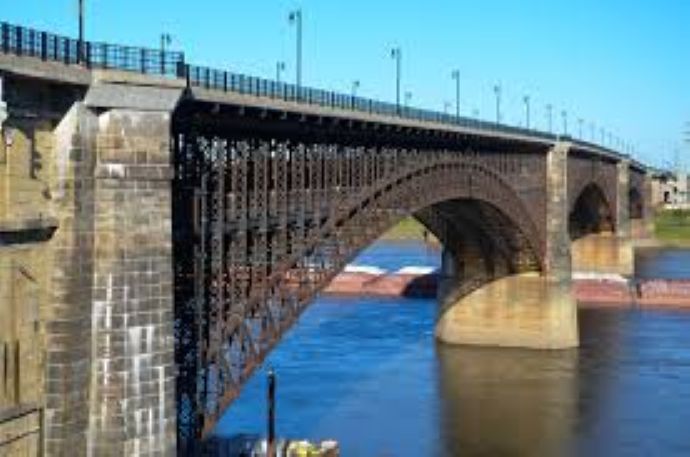
Eads Bridge

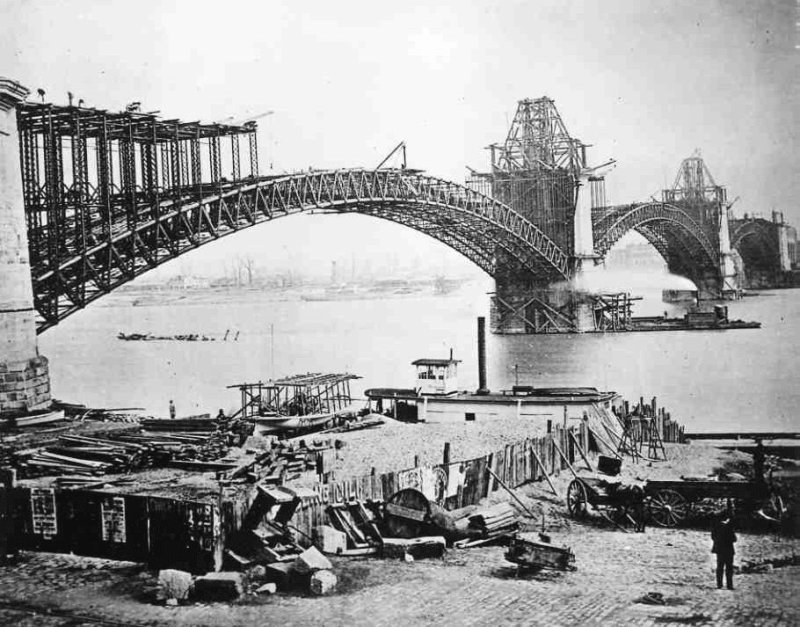
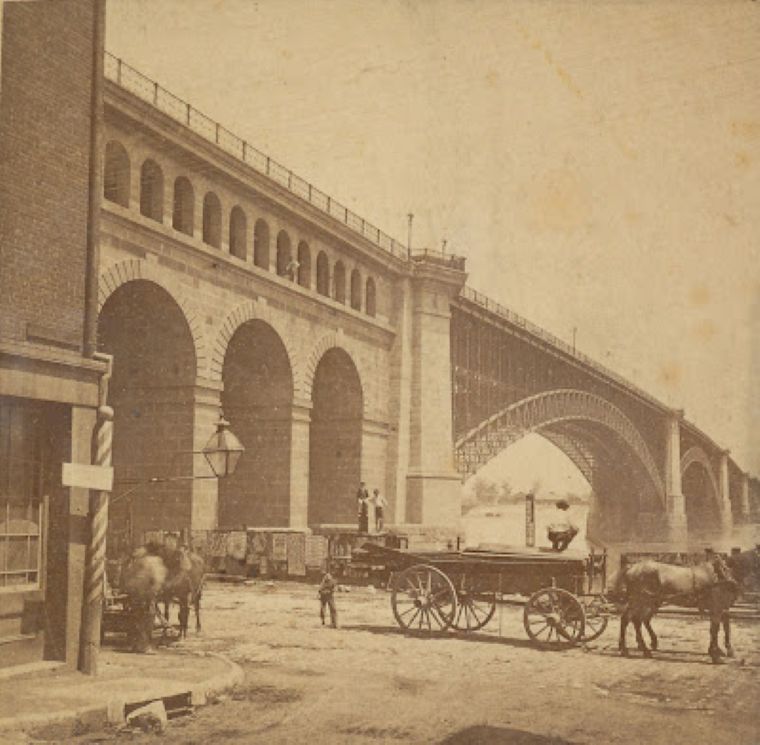
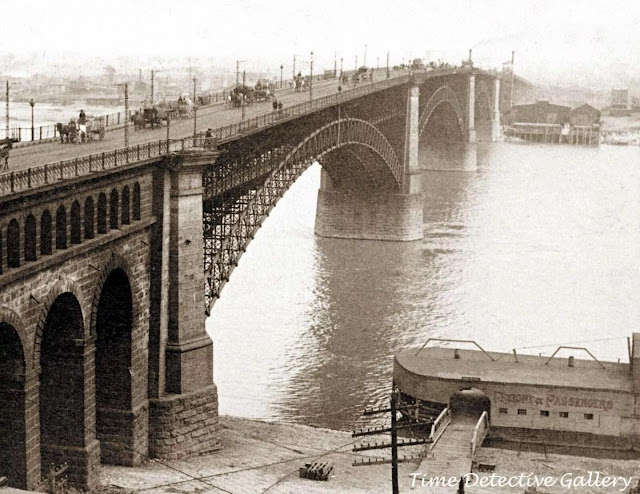
Built over the Mississippi River between 1867 and 1874, Eads Bridge was designed to connect St. Louis with East St. Louis on the Illinois side. It is the oldest bridge on the Mississippi. The first photo was taken during construction, the second is dated ca1870, and the third is dated 1890.

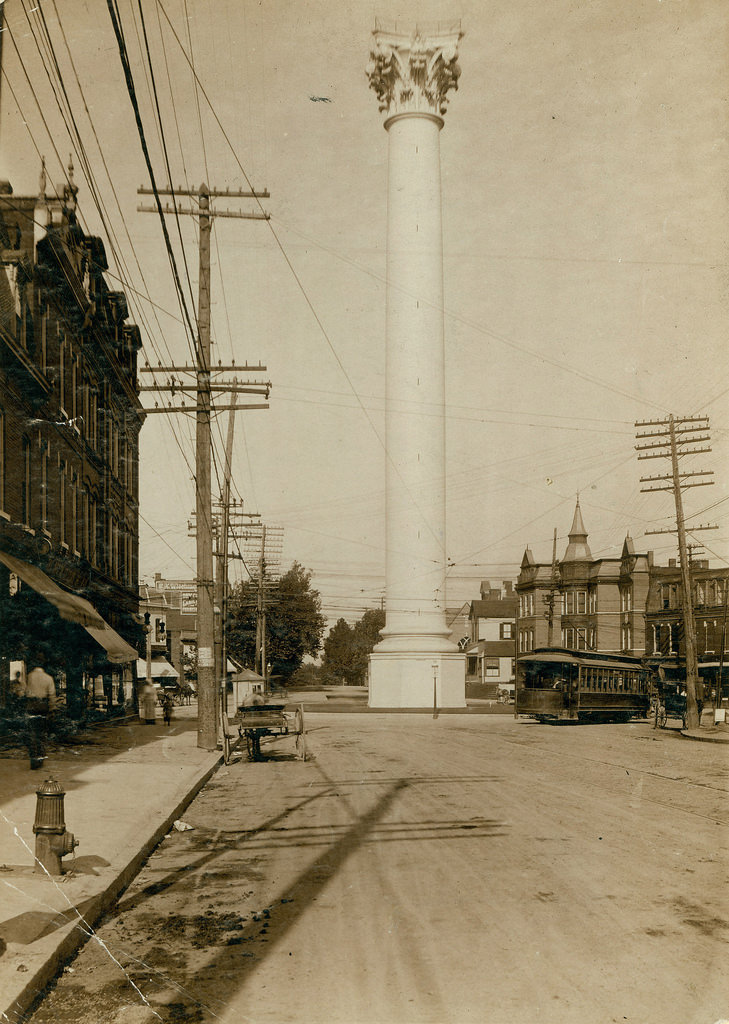
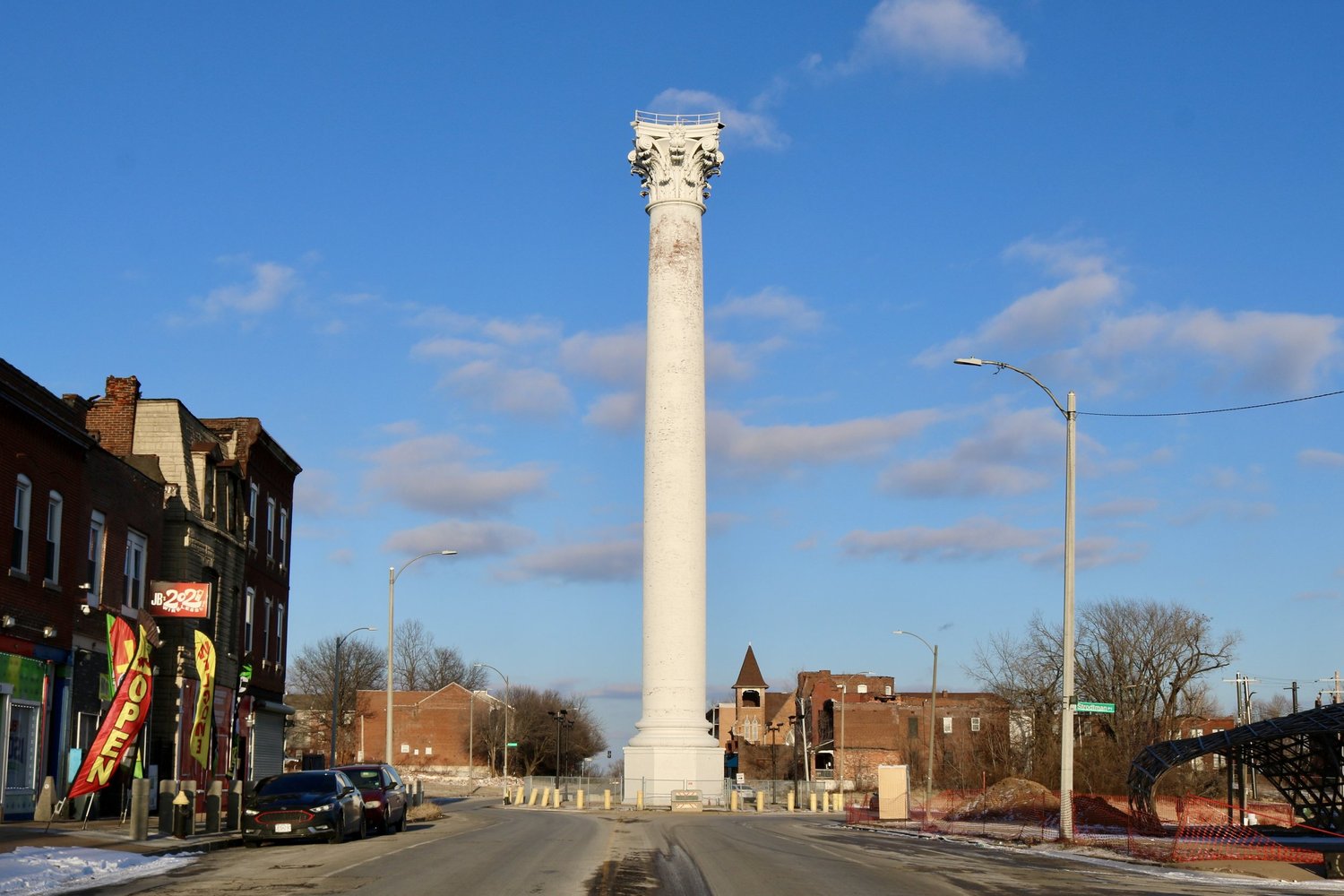
Grand Ave. Water Tower

The Grand Ave. Water Tower was built in 1871 and remains to this day the largest free-standing column (154ft.) in the world. It actually never held water; it just regulated the pressure. It was taken out of service in 1912. The first photo is dated 1915.

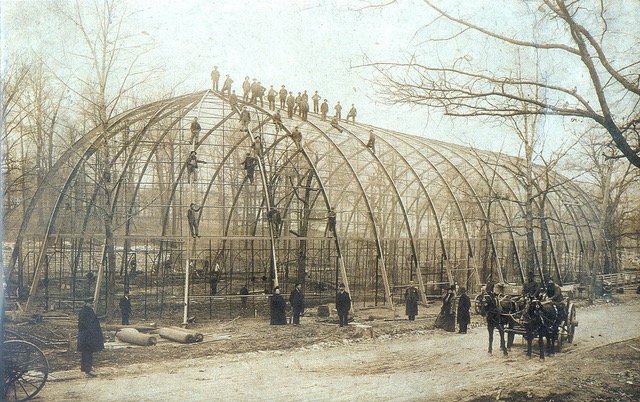
Free Flight Cage

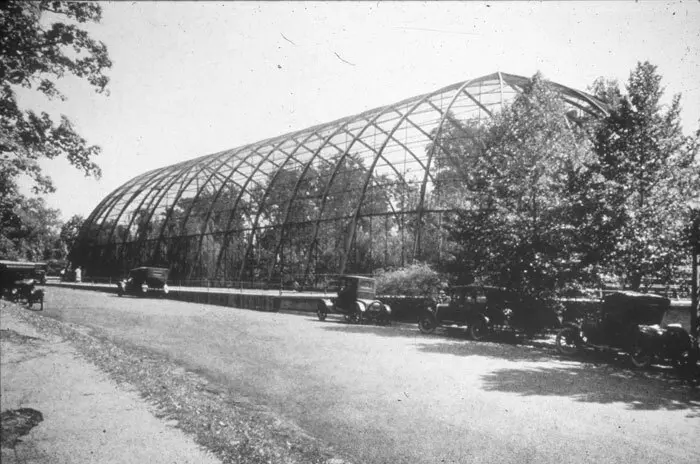
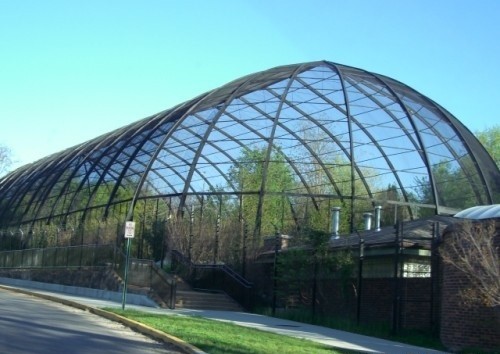
The Smithsonian Institution commissioned the Free Flight Cage for the 1904 Fair with the intention of having it become part of the National Zoo in Washington D.C. That did not happen since St. Louis bought the Cage, starting St. Louis’s famous zoo–the first municipally funded zoo in the world. The first photo shows the Cage under construction and the second photo is undated.

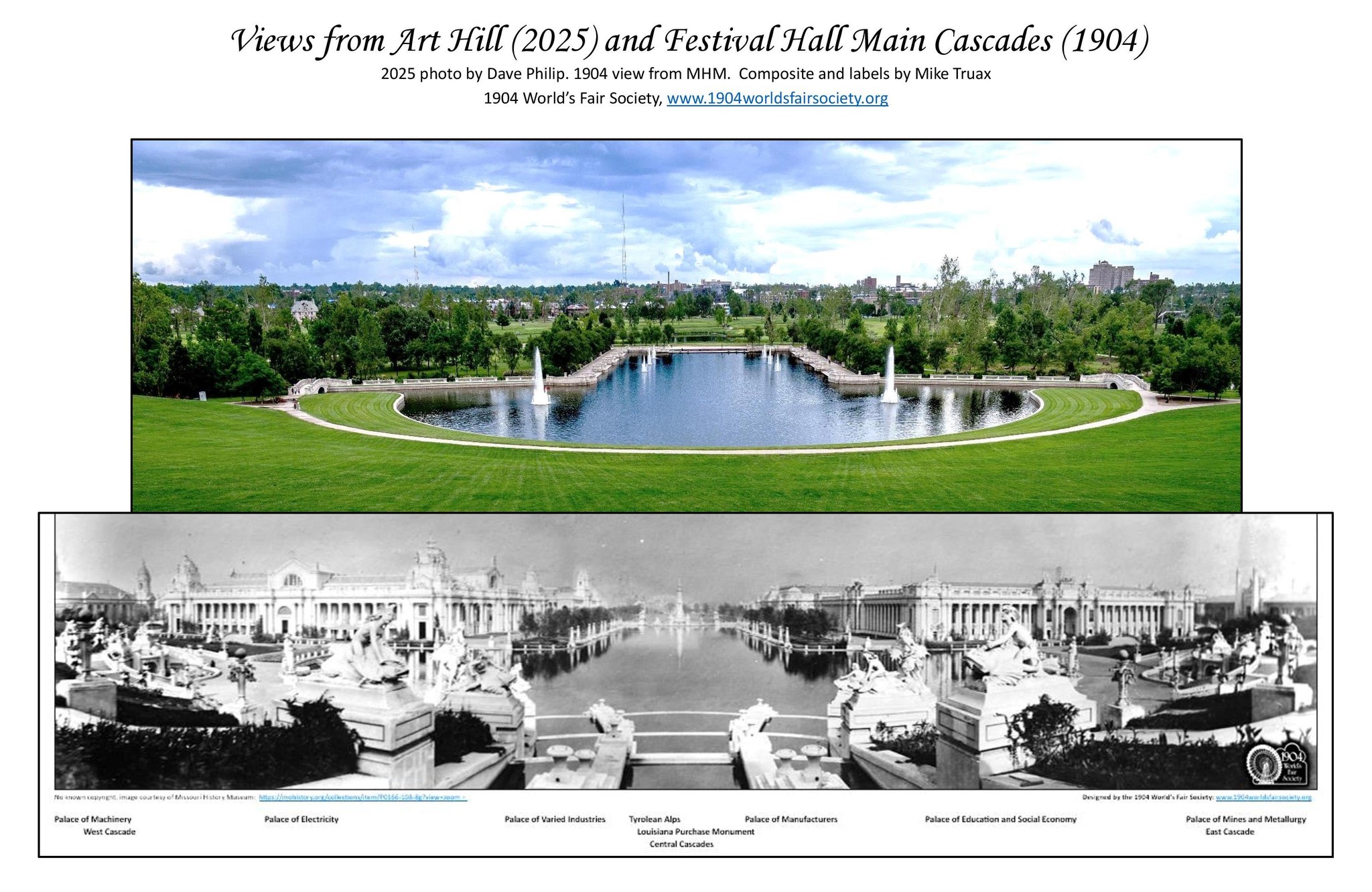
Finally, here is a then and now photo of the Fair site taken from Art Hill.

Categories: Uncategorized | Leave a comment

St. Louis Part 1

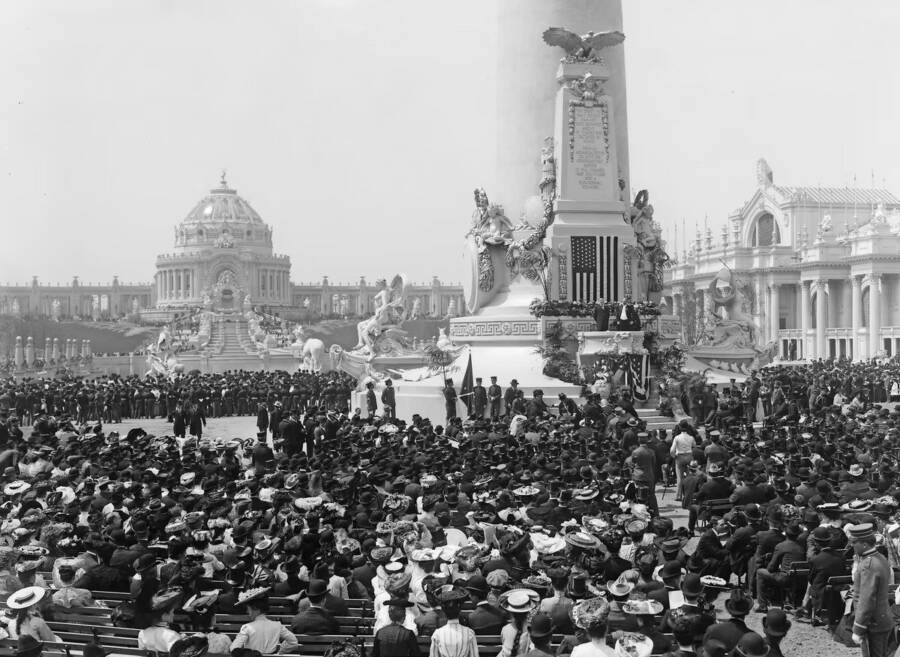
A significant part of St Louis history is its hosting of the 1904 World’s Fair, also known as the Louisiana Purchase Exposition, commemorating the 1803 Purchase. The Fair was held on 1,200 acres with 1500 buildings all seen by 19 million visitors in just seven months! With one exception, all buildings were torn down as they were all along expected to be temporary. The Fair ran from April 30 to December 1, 1904. Here is a photo of opening day.

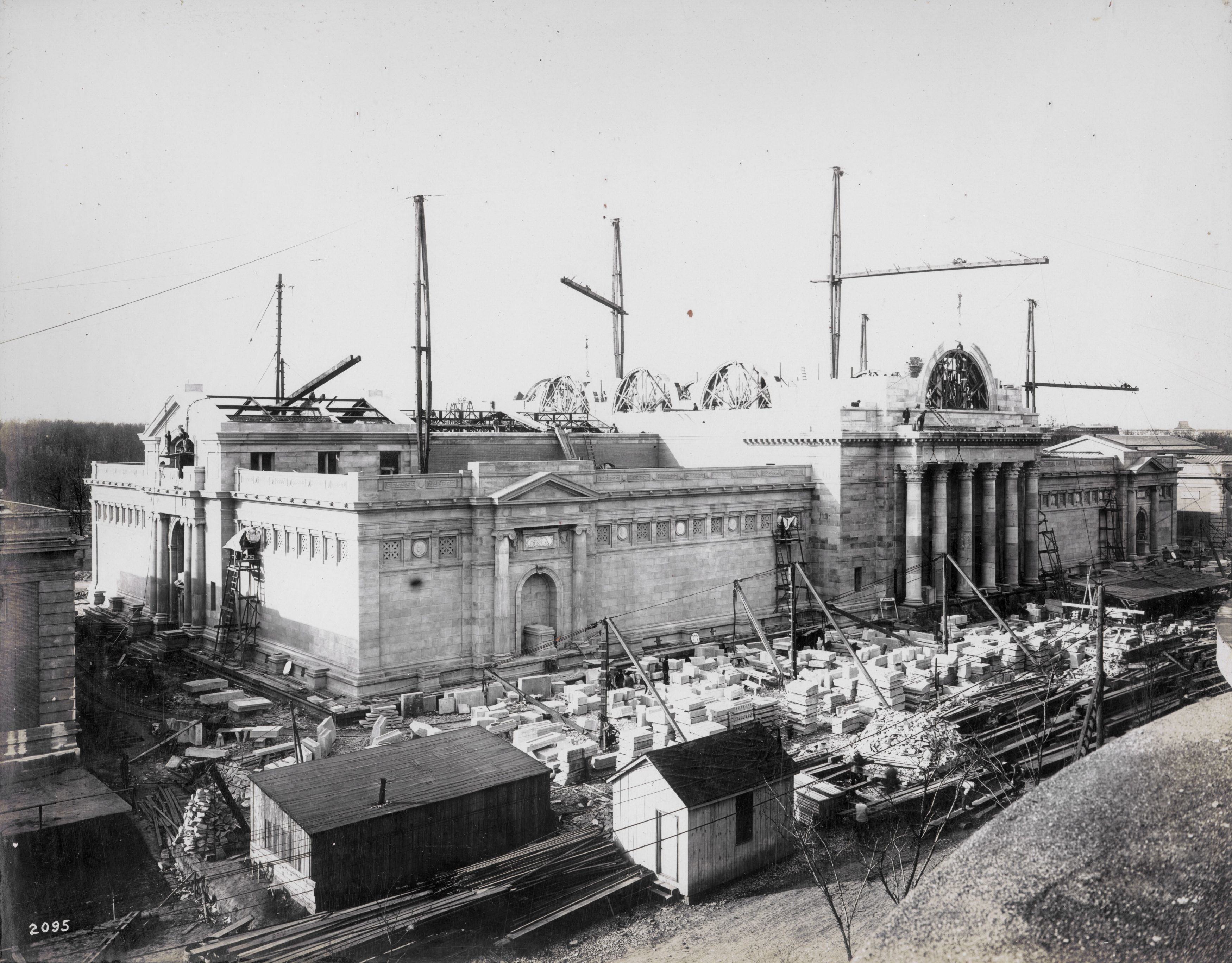
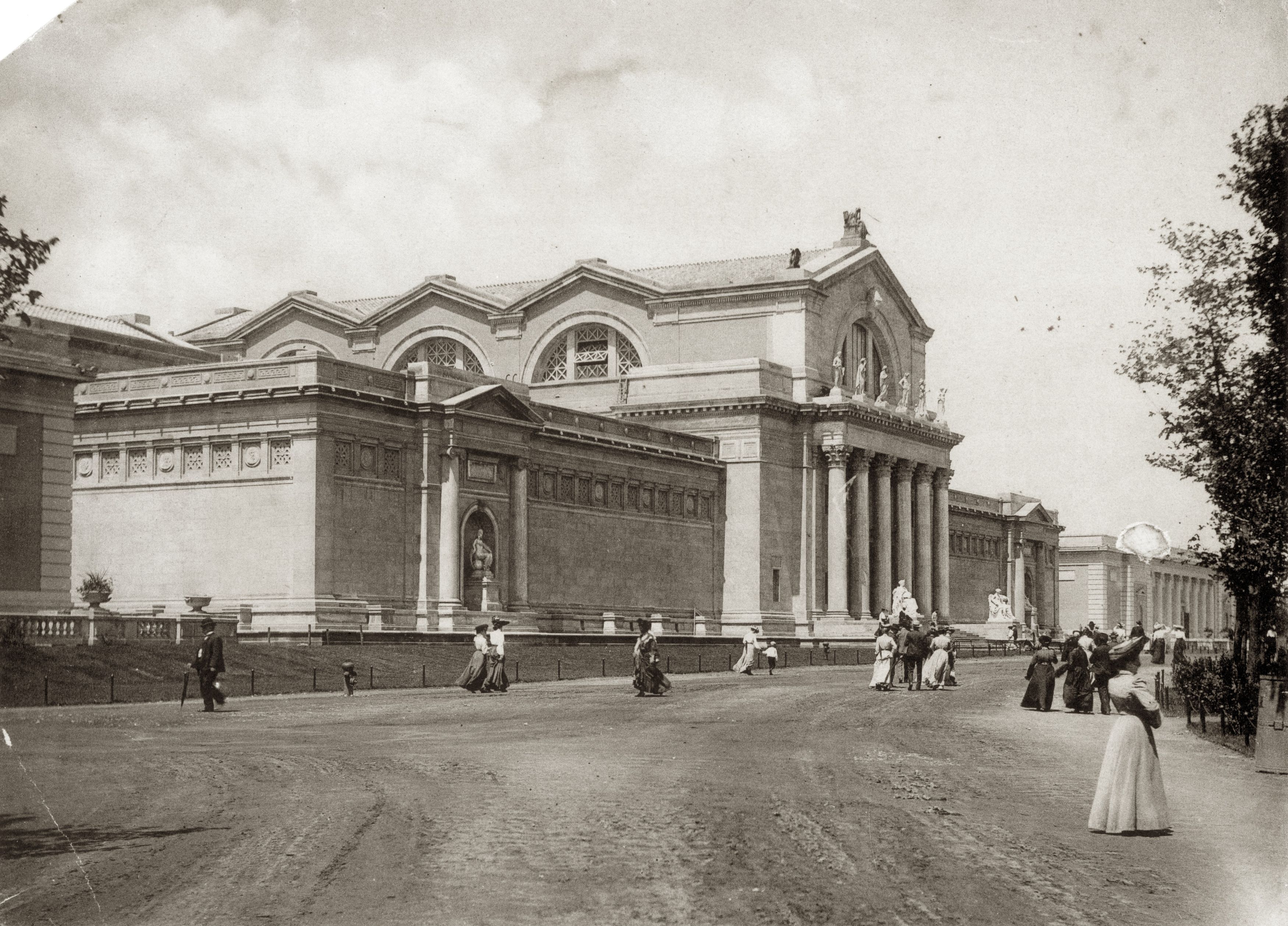
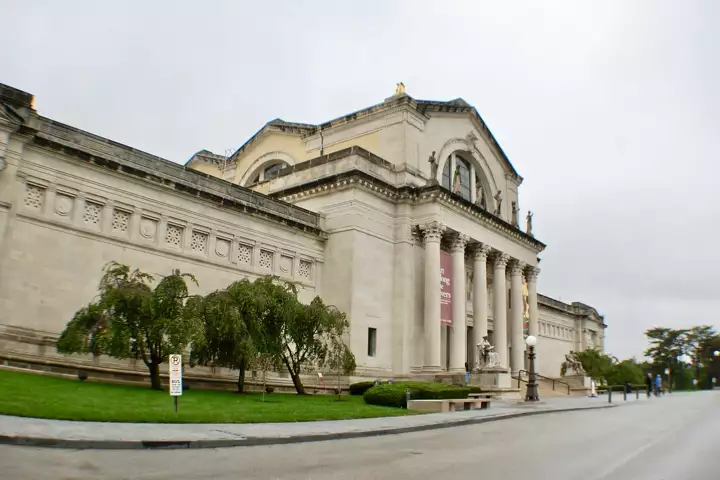
Palace of Fine Arts

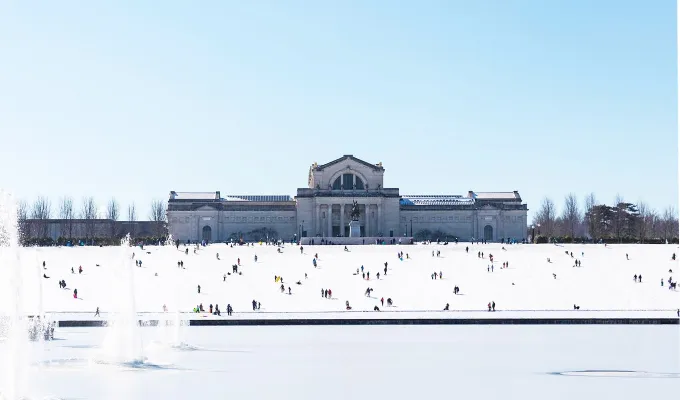
The one exception is the Fine Arts Building, now the St Louis Art Museum. The first photo is dated 1903 and the next from 1904.

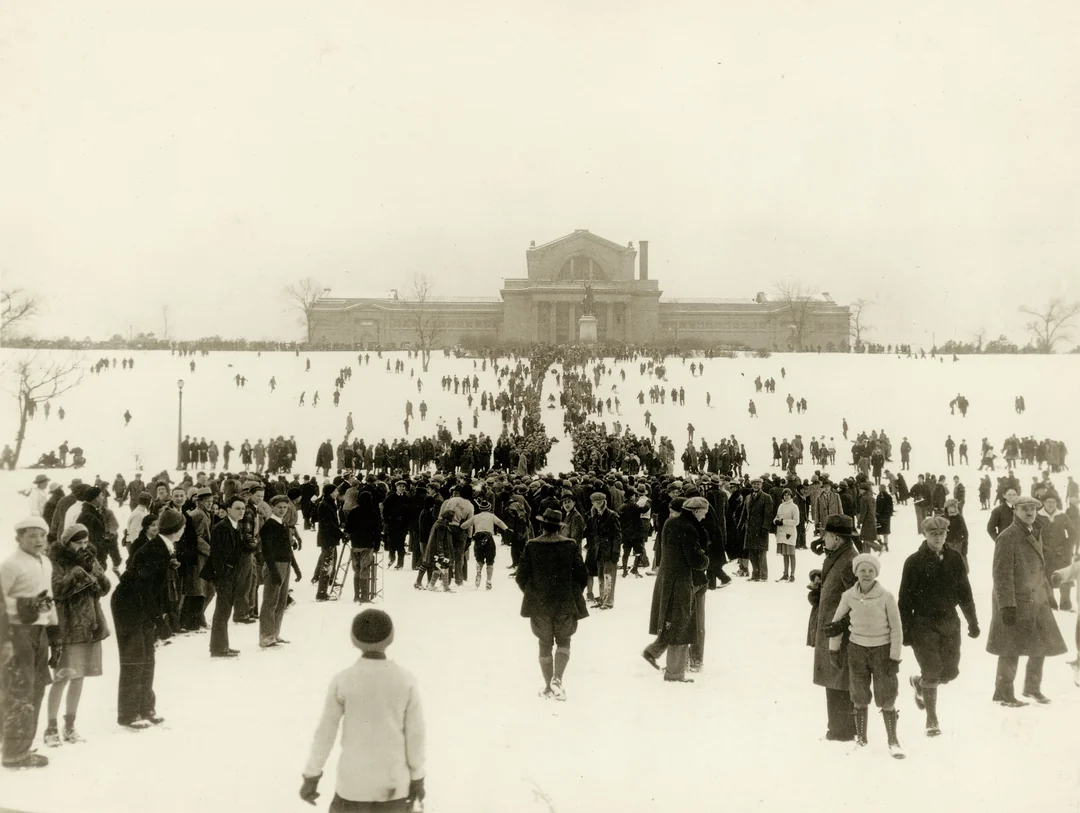
It sits atop Art Hill which has long been a popular sledding spot as seen in this ca1930s photo.

Brookings Hall

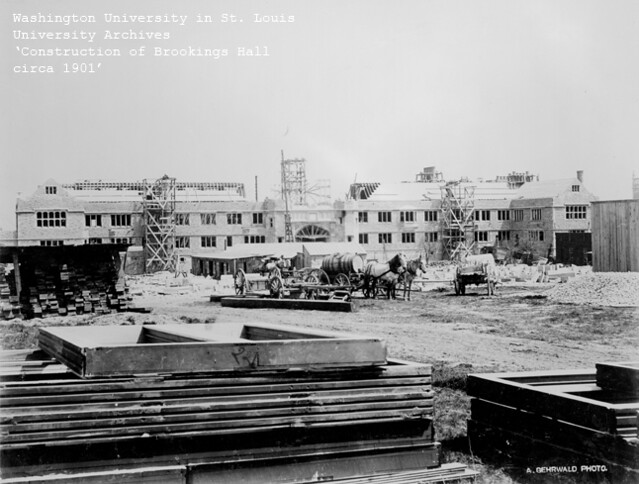
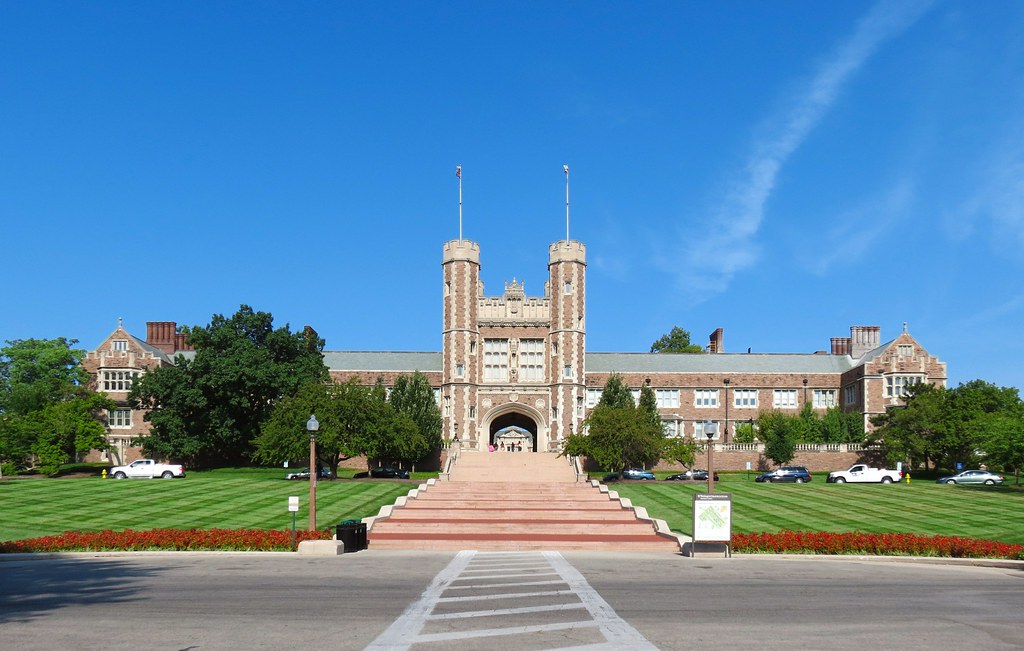
Although used as the temporary administrative offices for the Fair, Brookings Hall opened on the grounds of Washington University in 1902 as a permanent facility for the Brookings Institute, headquartered in Washington D.C. The first photo is dated 1901.

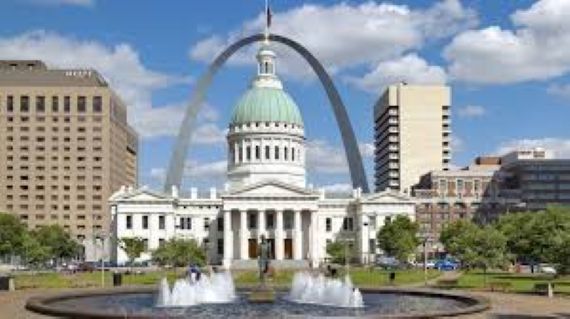
Old County Courthouse

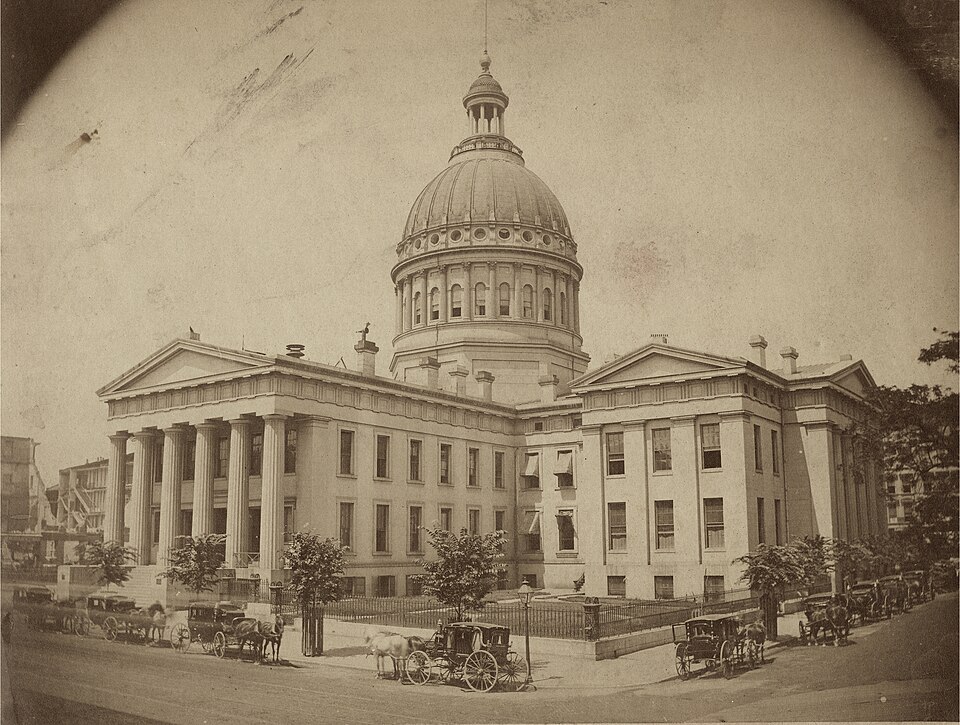
The Old County Courthouse was built from 1839 to 1862. It was the site of the famous Dred Scott decision. It is now part of the Gateway Arch National Park. The first photo is dated 1865.

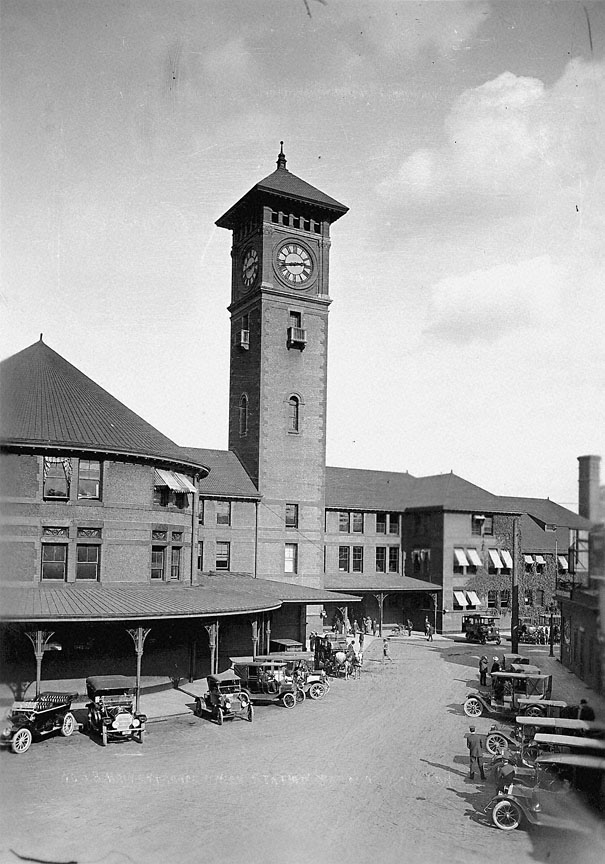
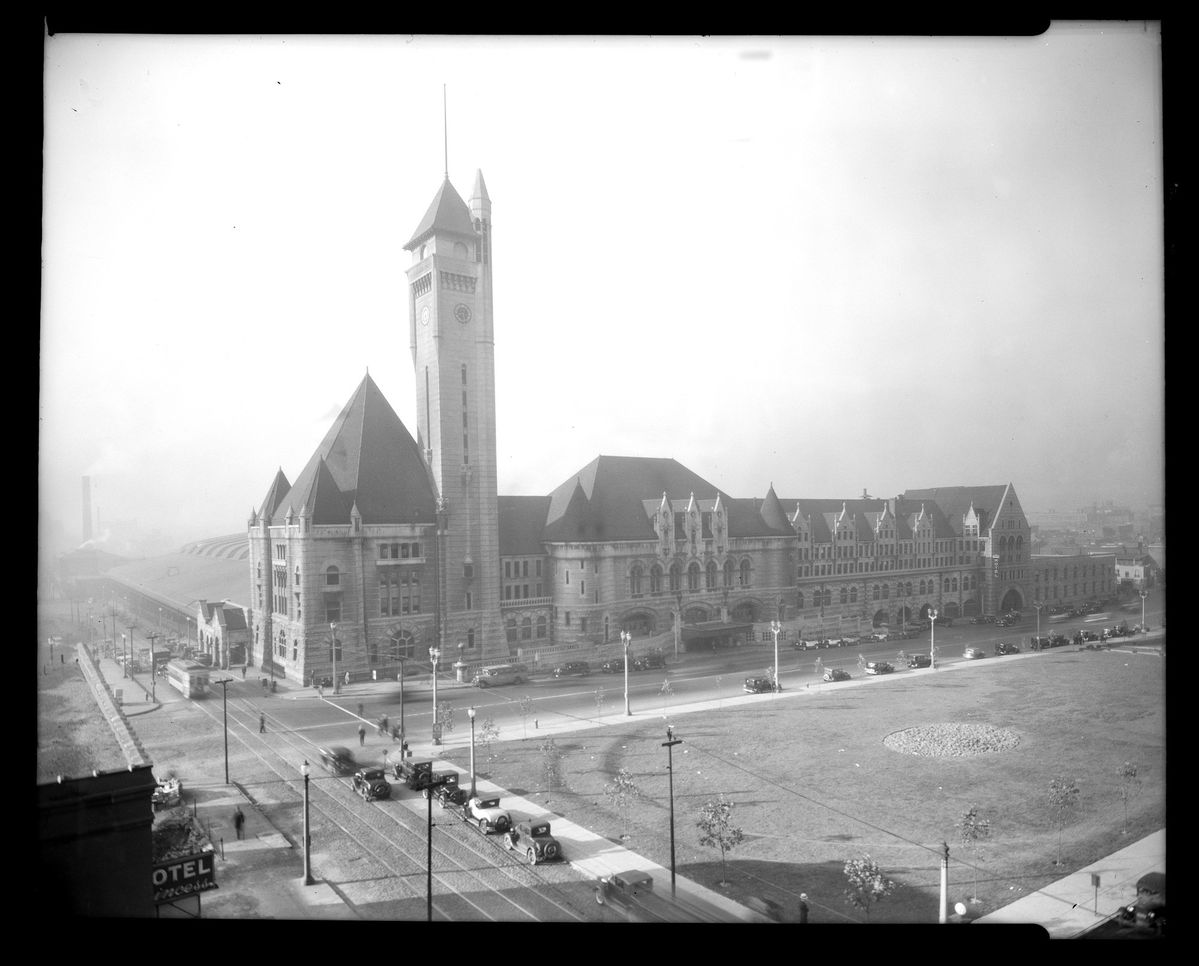
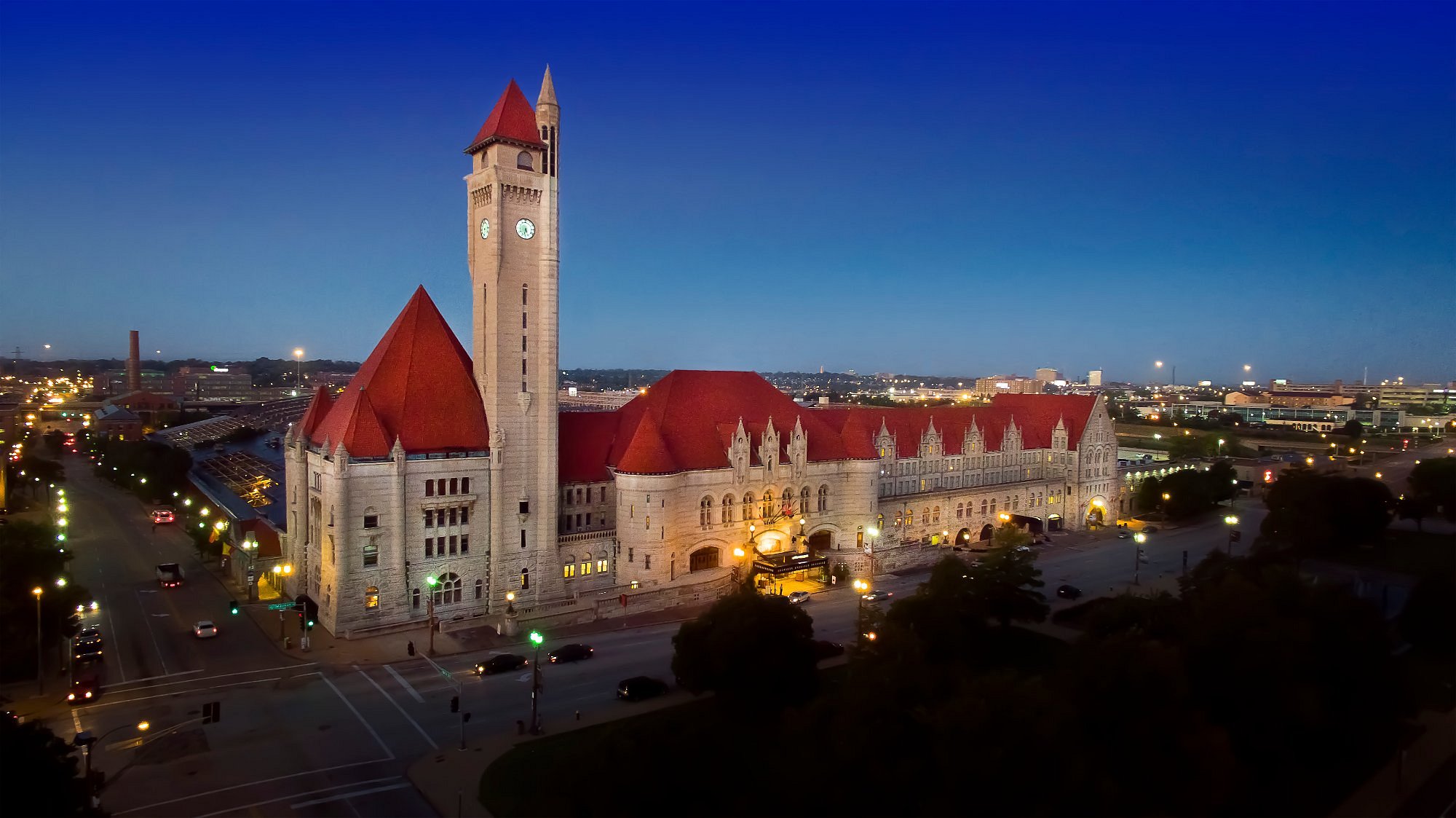
St. Louis Union Station

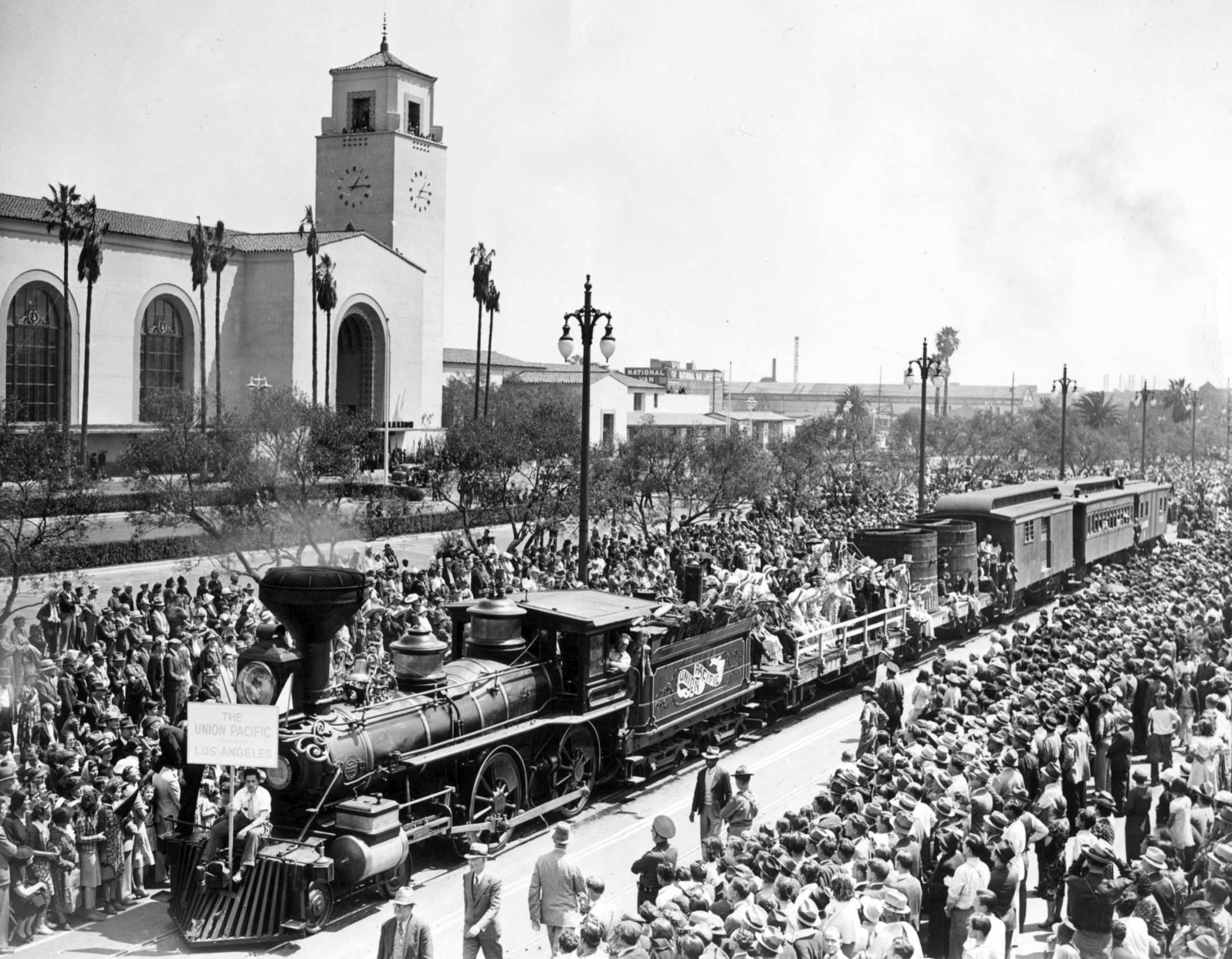
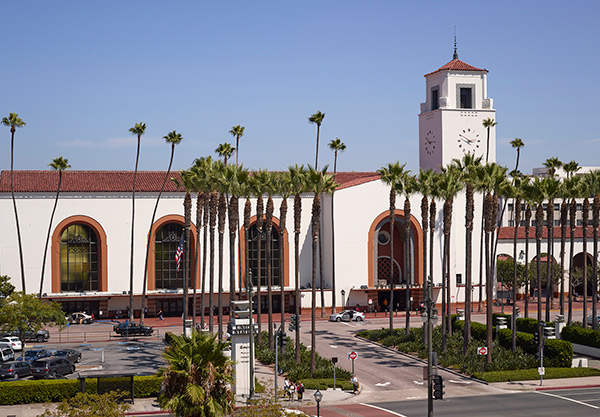
The St. Louis Union Station opened in 1894, and, at the time, was the largest in the world. It is currently a hotel, entertainment complex, and shopping center. The first photo is dated 1938.

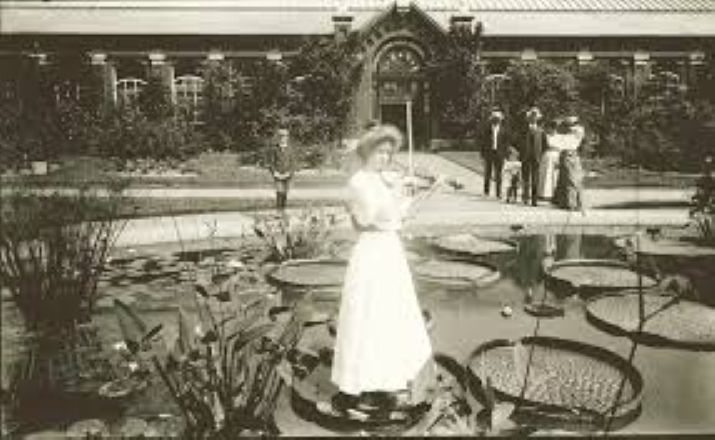
Linnean House

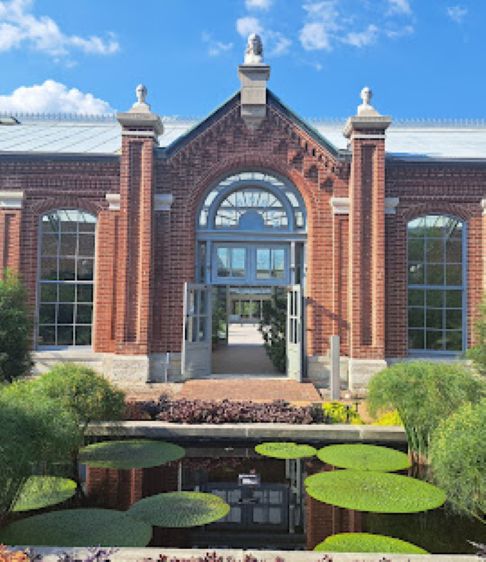
The Linnean House was built in 1882 on the grounds of the Missouri Botanic Garden. It is the oldest, continuously, operating greenhouse west of the Mississippi River. The first photo is dated ca1905.

Categories: Uncategorized | Leave a comment

Rhyolite Part 2

Porter Brothers Store

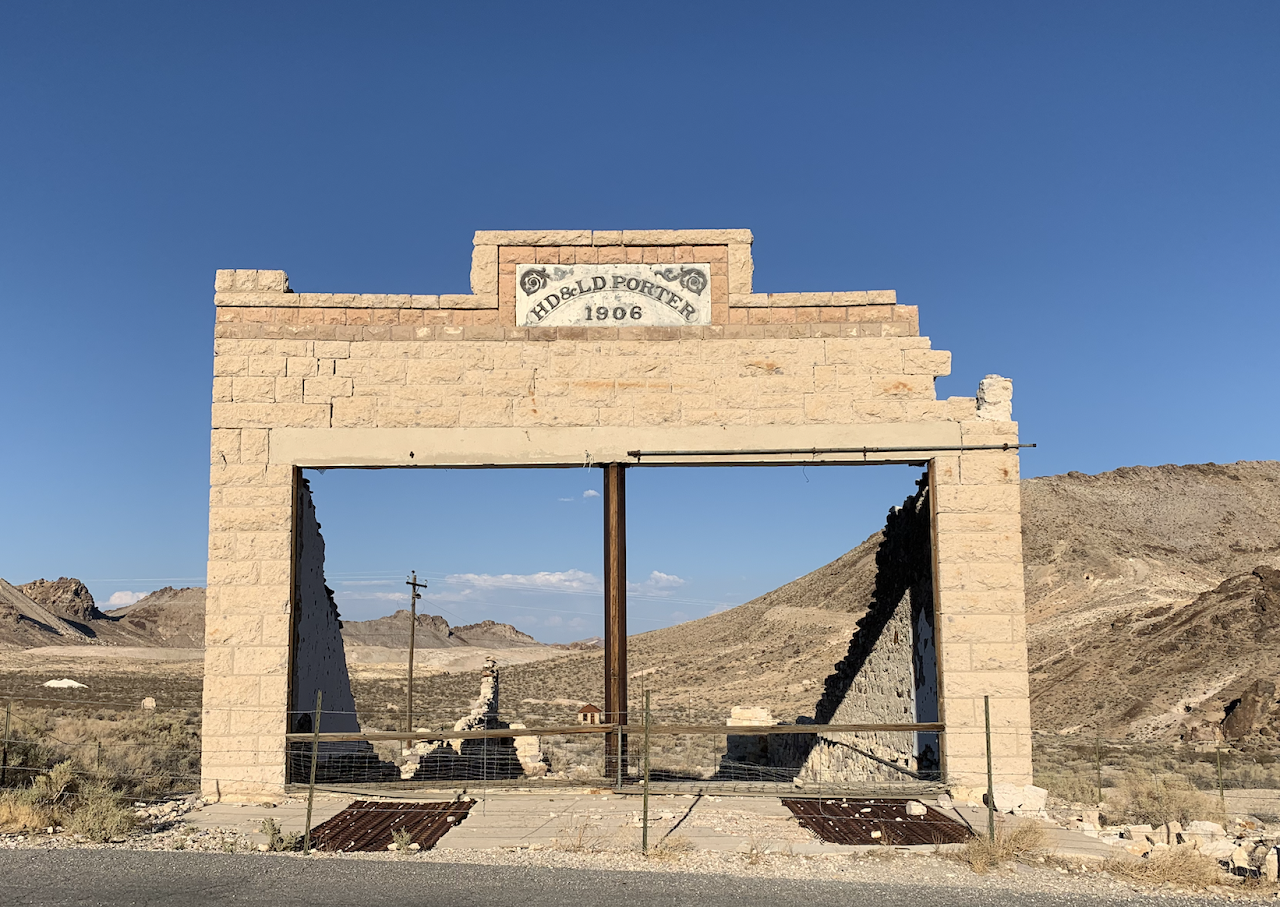
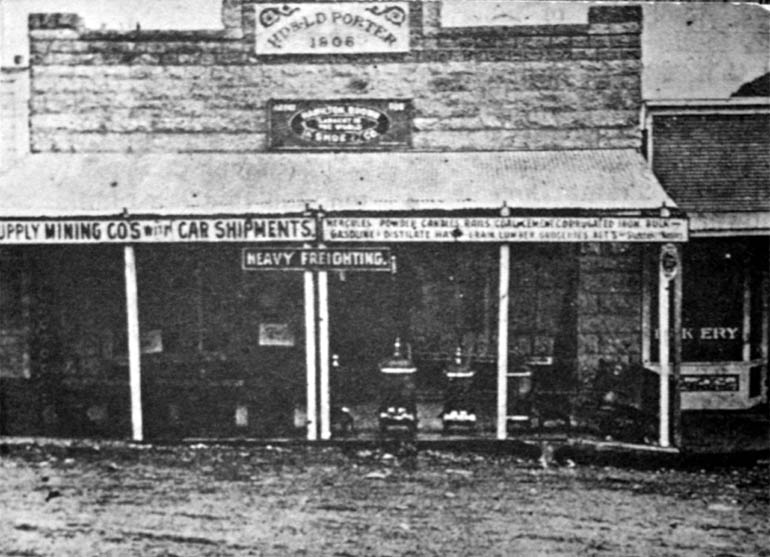
The Porter Brothers Store opened in the center of town in 1906. It was extremely popular, but, when the rhyolite mines plaid out, it closed in 1910. The first photo is undated.
Train Depot

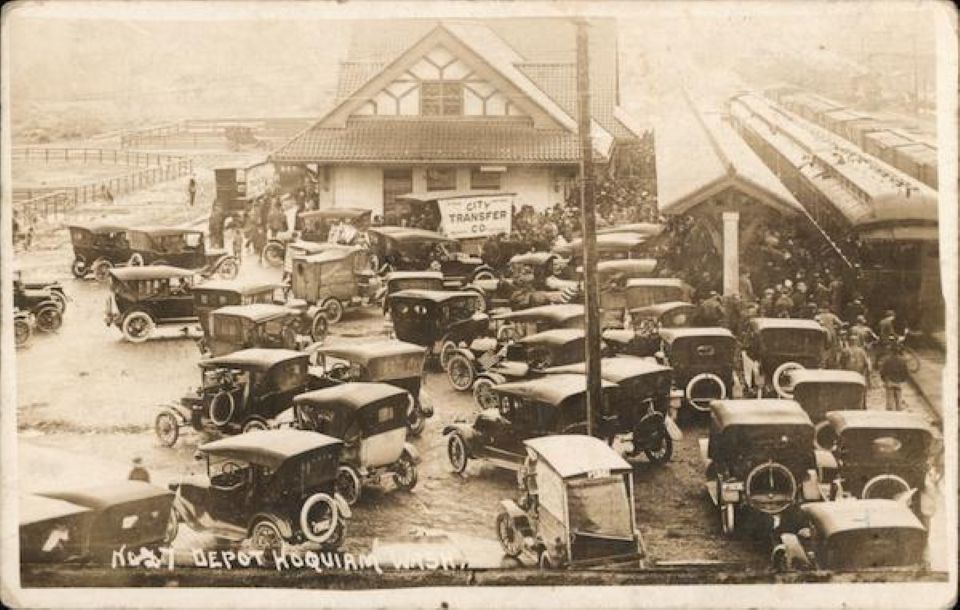
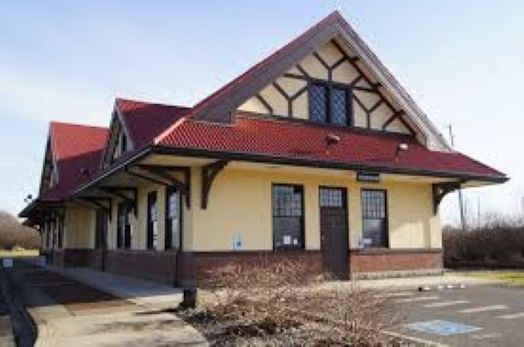
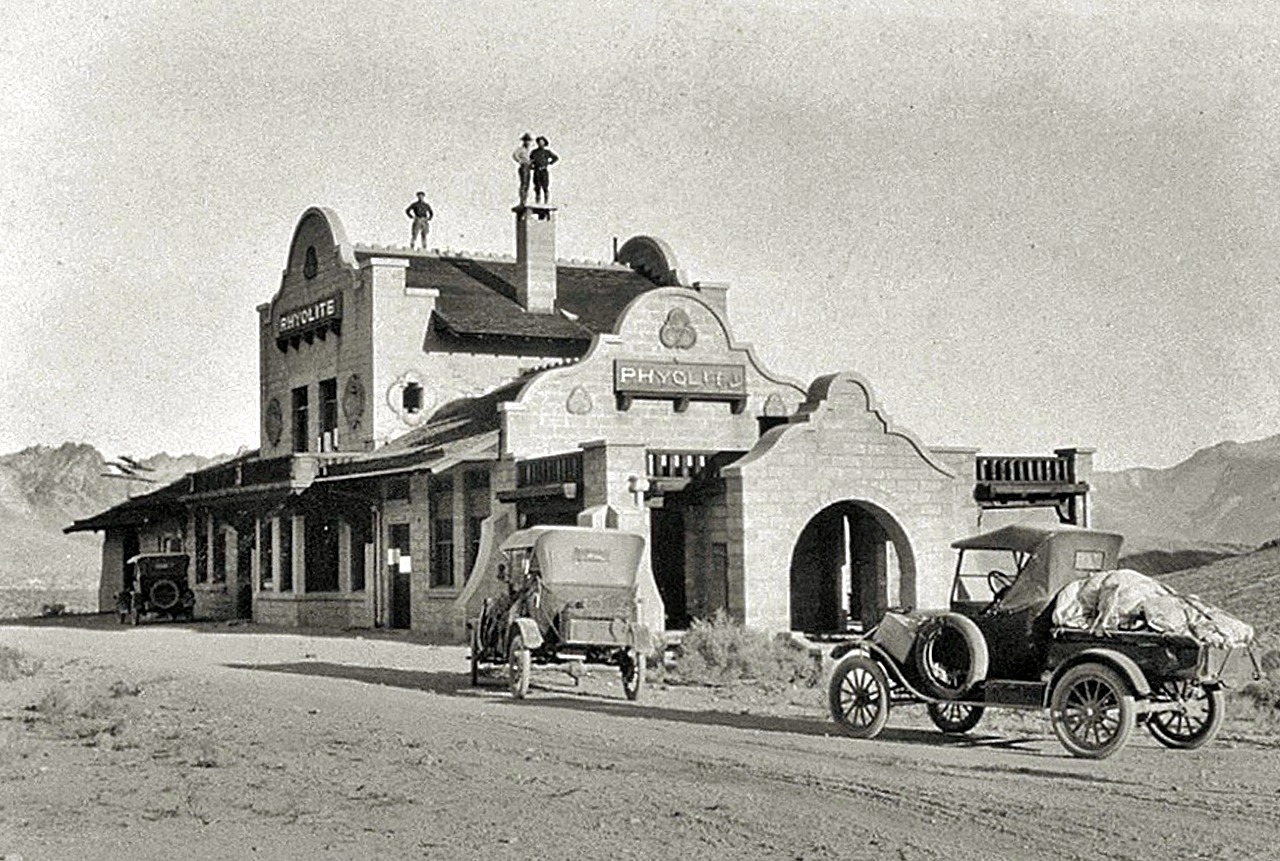
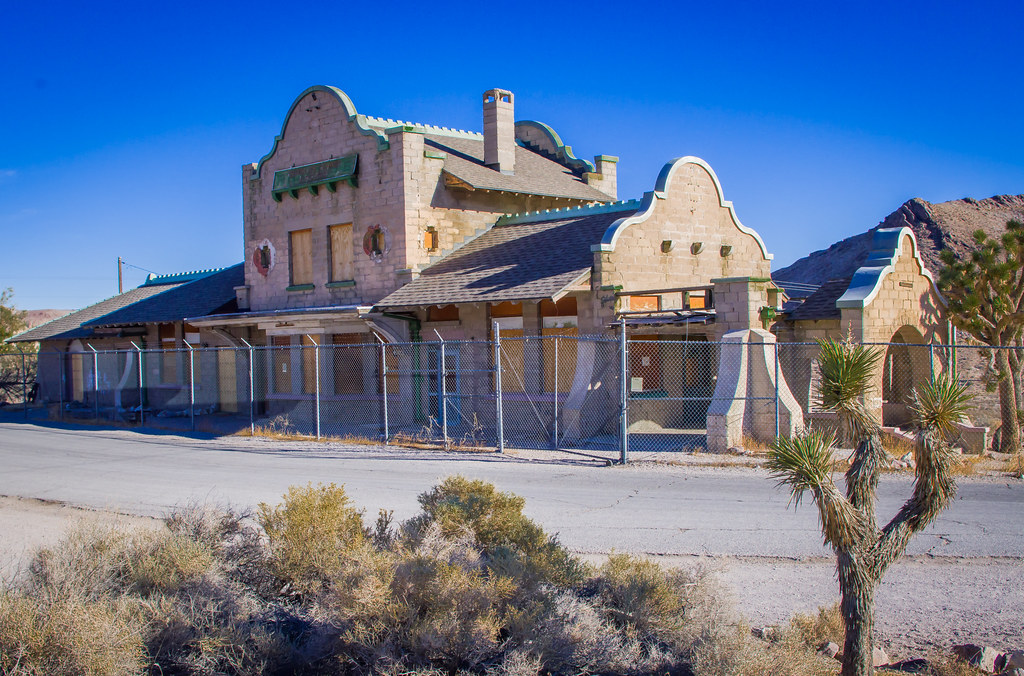
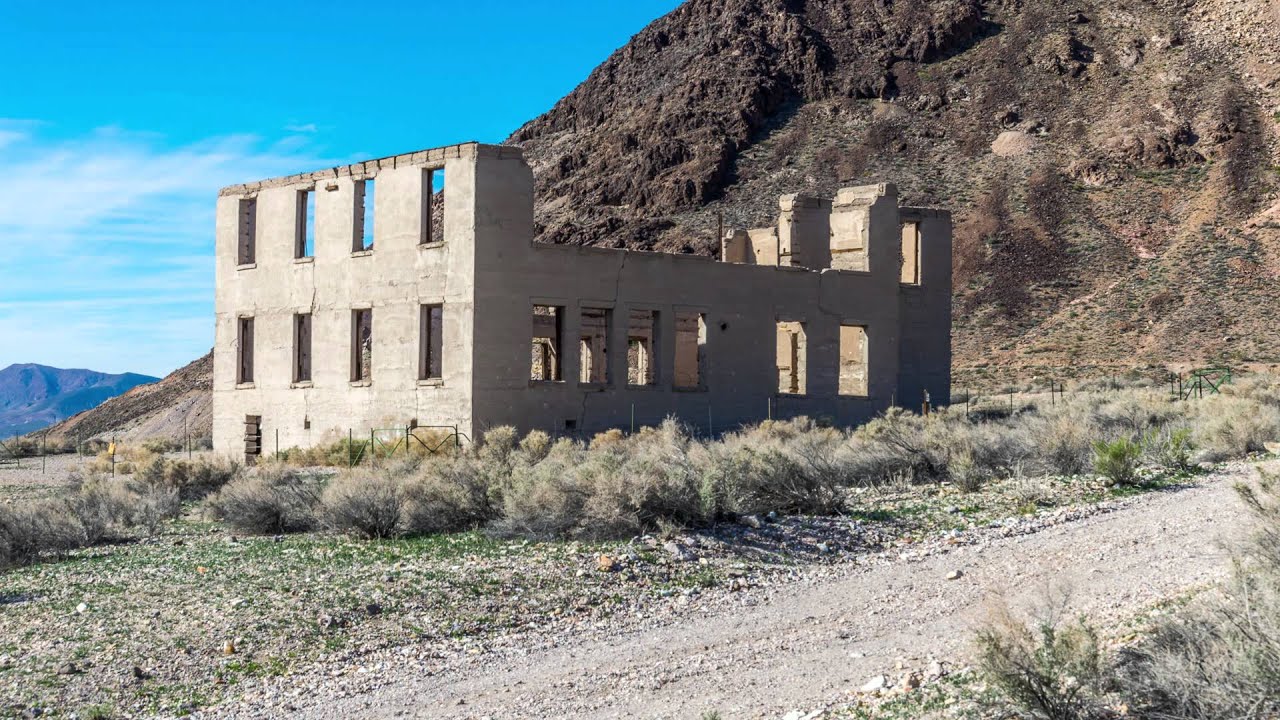
The Rhyolite train depot was built in 1907 at a cost of four million dollars in today’s money. It serviced three railroads, one of which brought in 50 freight cars per day. It closed in 1919. The first photo is dated 1909 and the second shows it under restoration by the BLM.

School

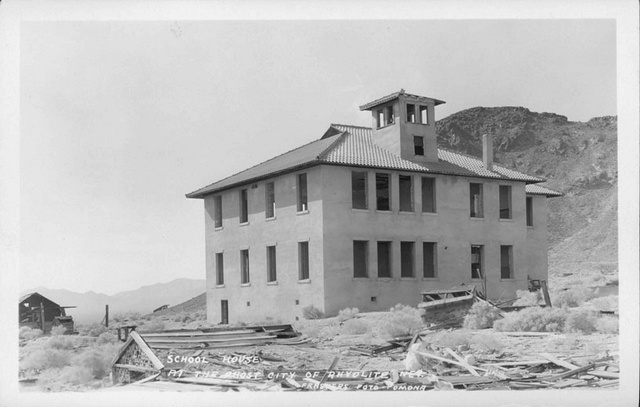
The second Rhyolite school replaced the previous one, which had had grown from 26 students in 1906 to 225 the next year all in one room! It too closed four years later. The first photo is dated 1930s.

Bottle House

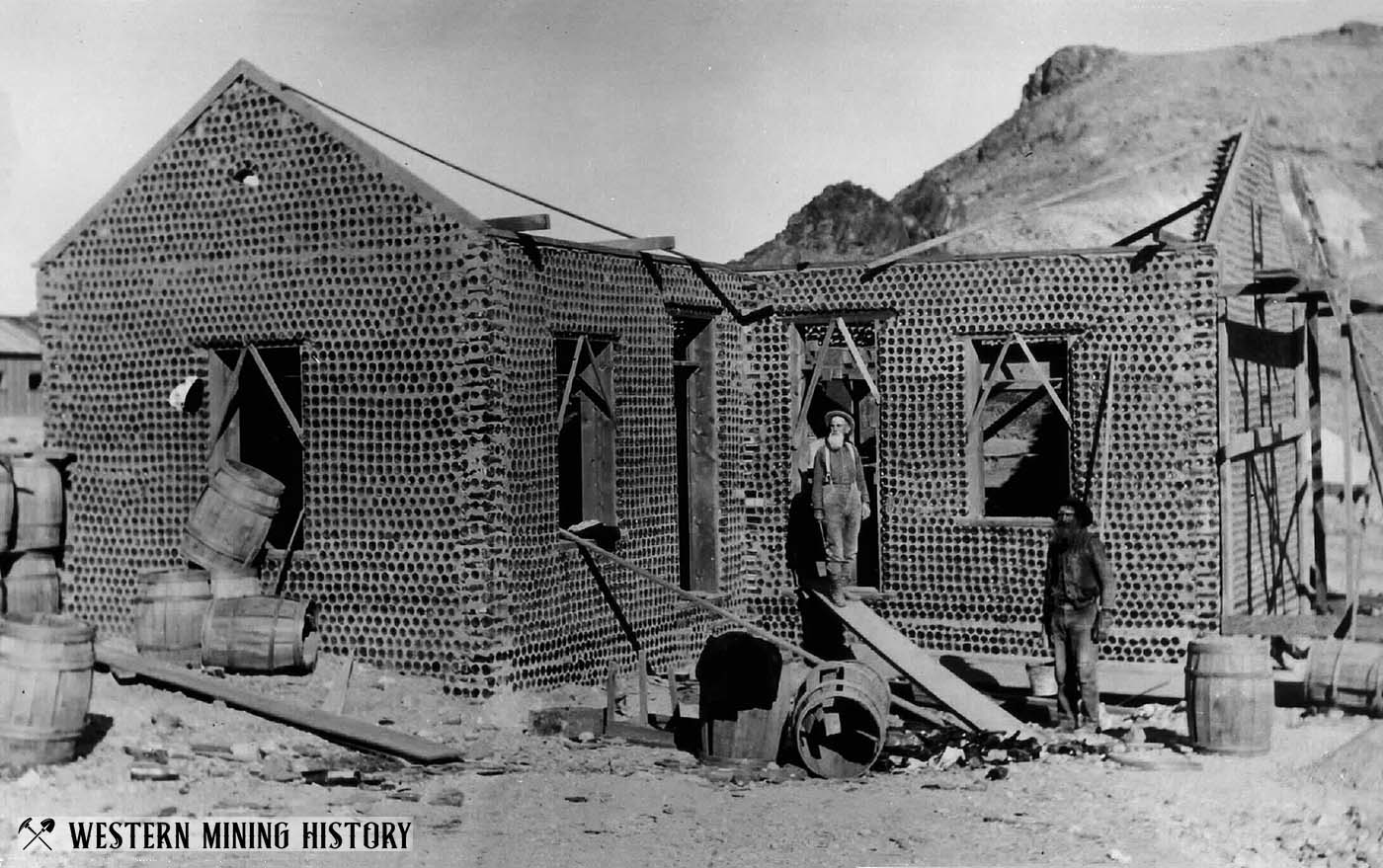
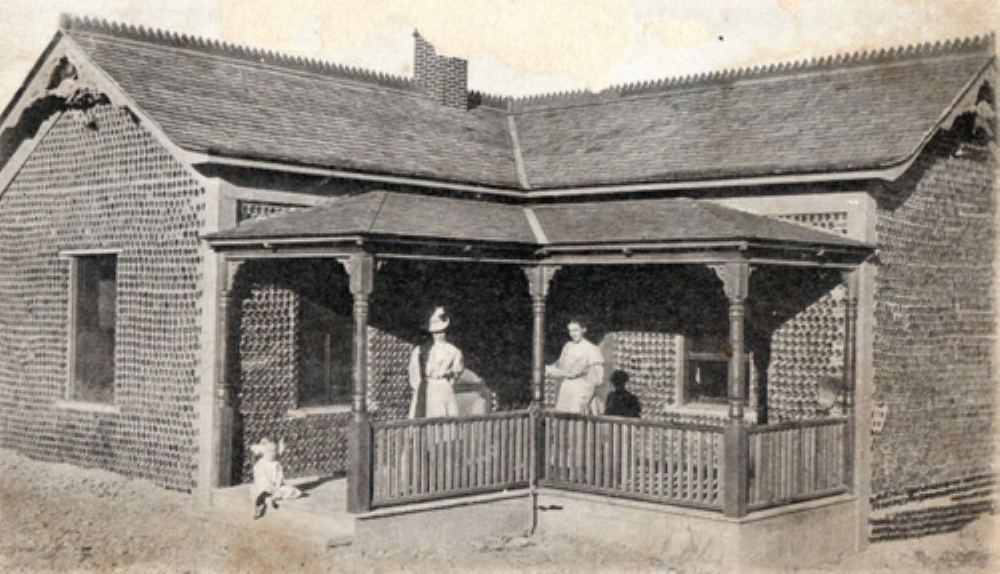
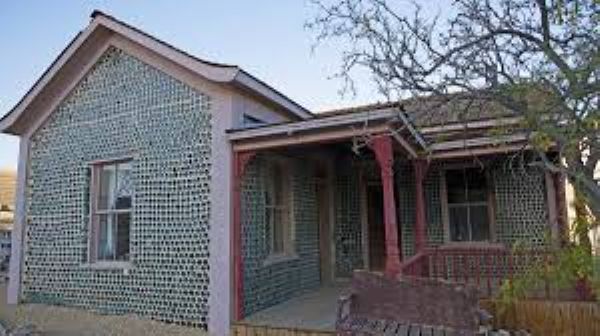
Since wood was scarce in Rhyolite, Tom Kelly decided to build his home using materials that were in abundant supply–beer and whiskey bottles, 30,000 in all! The first photo shows the home under construction in 1906. The second is undated.
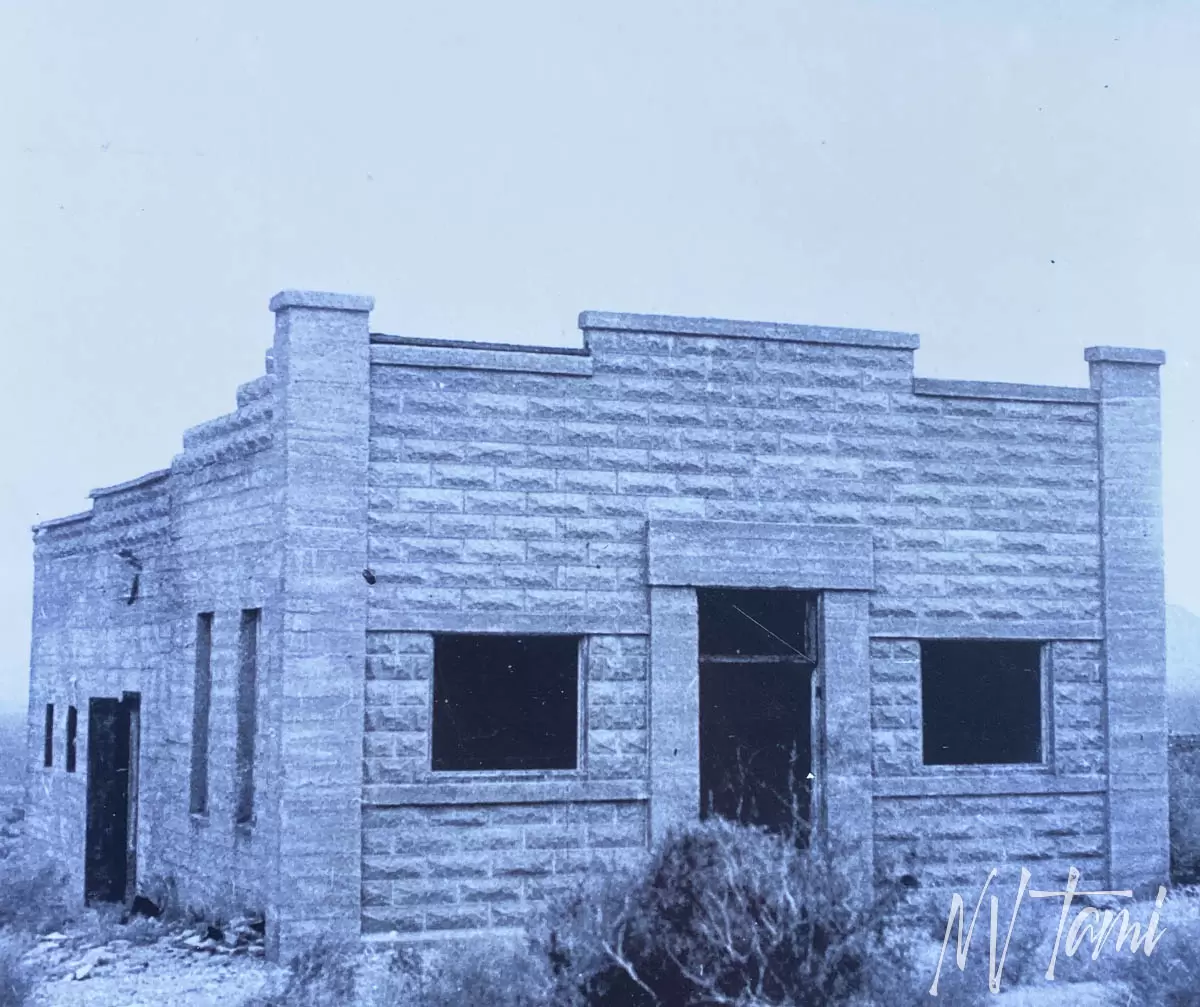
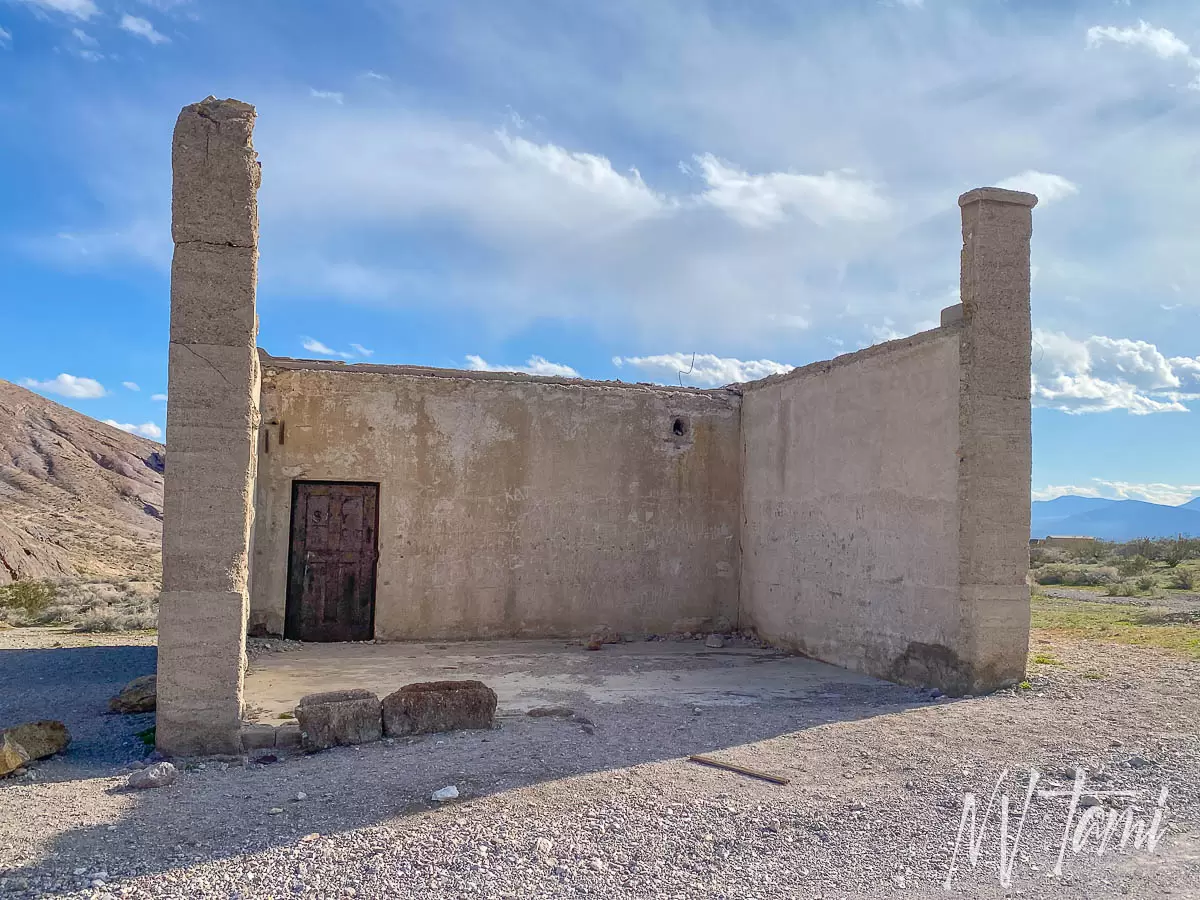
Jail

The Rhyolite jail was built in 1907 to save the $15 expense to house each inmate in nearby Bullfrog. The first photo is dated 1920s.

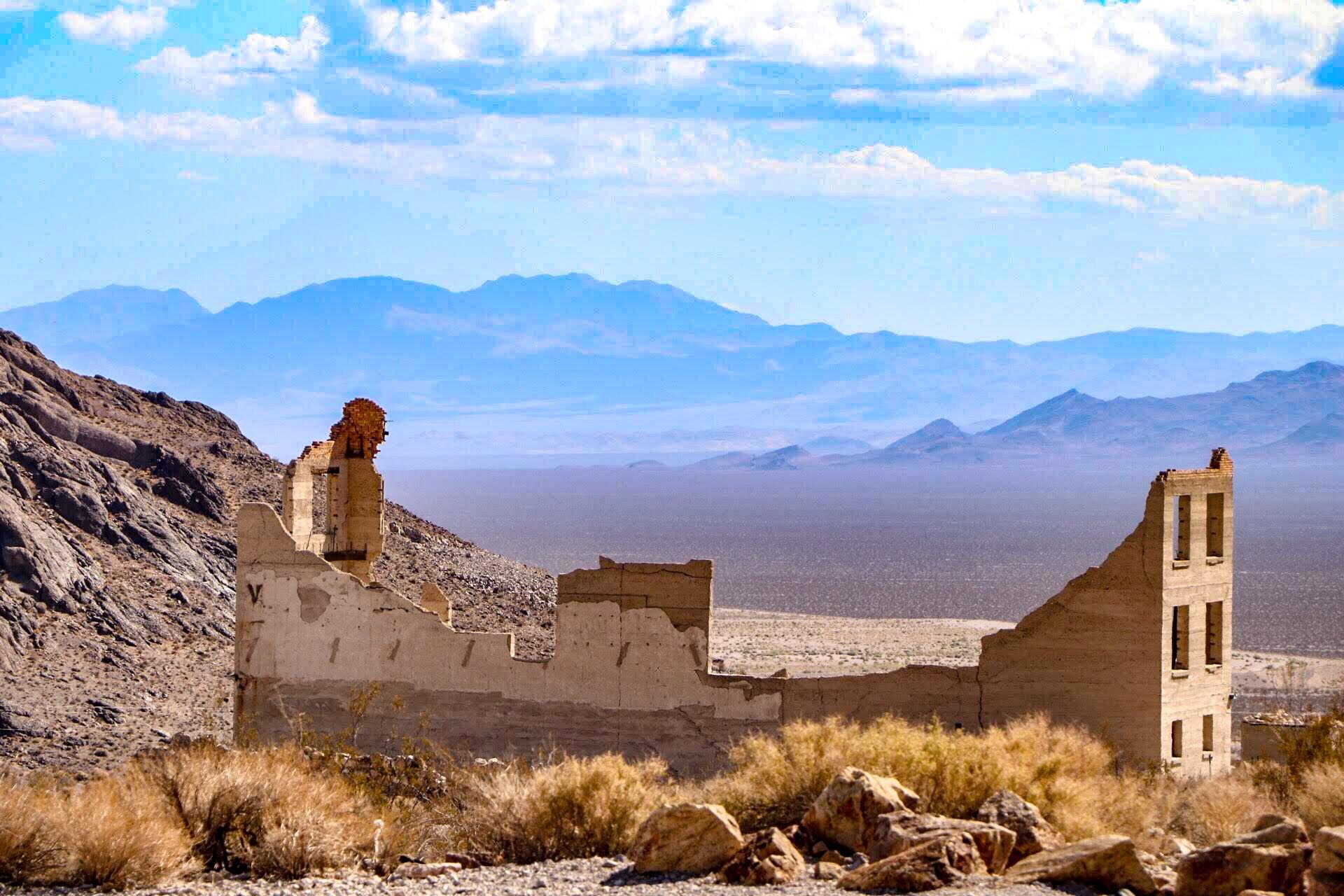
This photo sums up just how picturesque are the ruins of Rhyolite.

Categories: Uncategorized | Leave a comment

Rhyolite NV Part 1

Rhyolite is a ghost town about 120 miles northwest of Las Vegas, near Death Valley National Park. It began in 1905 as a two-man mining camp and rose to 1,200 in two weeks! By 1907, it had electricity, water mains, newspapers, telephones, a school, and hospital. Yet, at the end of 1910, the rhyolite mine was losing money, and it closed in 1911. The population dwindled rapidly. Much of the building materials were salvaged and used elsewhere in the area. Still, enough ruins have remained to attract numerous tourists through the years. Here are some street scenes and views of the remaining structures.

Circus Day 1907.

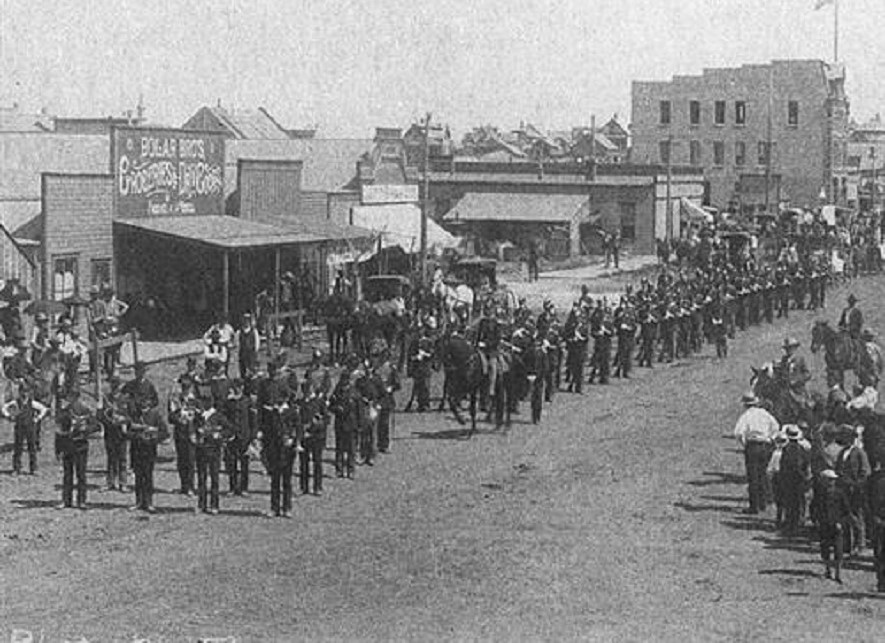
Minors Union Parade 1906

Cook Bank

Two former bank buildings are still visible. One is the Cook Building seen here in 1908 and 1915 photos.

Overbury Bank

When Rhyolite died, many structures were scavenged for building materials. Note the stone columns by the men posing in this undated photo. Those columns are about all that is left of the Overbury Building.

Cook and Overbury

Here is an undated photo showing the Cook and Overbury Buildings together.

Finally, here is an aerial shot with the two buildings plus the Porter Store across the street. That Store and three other surviving buildings appear next month.

Categories: Uncategorized | Leave a comment

Cape Cod Part 2

Outside of the numerous towns and villages on Cape Cod, there are many more historic sites. Here are six of them:

Chatham

Chatham Bars Inn

Situated on a bluff overlooking the Atlantic, Chatham Bars Inn opened as a luxury hotel in 1914. It quickly became an escape for residents of New York City and Boston. In 2006, it underwent a $100 million renovation and now consists of 217 rooms and 35 cottages, all on 25 acres. The first photo is dated 1933.

Eastham

Eastham Windmill

Built in 1680, the Eastham Windmill is the oldest and last working grist mill on Cape Cod. The first photo is dated 1907.

West Dennis

Bass River Lighthouse

The Bass River Lighthouse opened in 1855 and operated until 1914. It then opened as the Lighthouse Inn in 1938 on nine acres of oceanfront property. The Coast Guard recognizes the Lighthouse as the only privately owned and working one in the U.S. The first photo is undated.

Monomoy Island

Monomoy Island is an eight-mile-long stretch of sand extending into the Atlantic. It is uninhabited and accessible only by ferry. It is home to Monomoy National Wildlife Refuge as well as Monomoy Point Lighthouse. The latter was built of cast iron in 1829 and de-commissioned in 1923. Currently it is part of the Island tour. The first photo is dated 1849.

Woods Hole

Woods Hole Golf Club

Founded in 1899, Woods Hole Golf Club sits atop a bluff overlooking Buzzards Bay. Its clubhouse was built in 1921. The first photo is undated.

Falmouth

Shiverick’s Pond

Named after a local clergyman in 1708, Shivereck’s Pond has been a source of recreation and education for over 300 years. The first photo is dated 1900.

Categories: Uncategorized | Leave a comment

Cape Cod Part 1

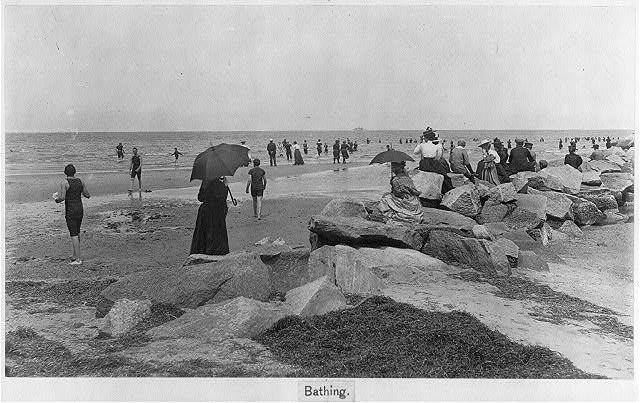
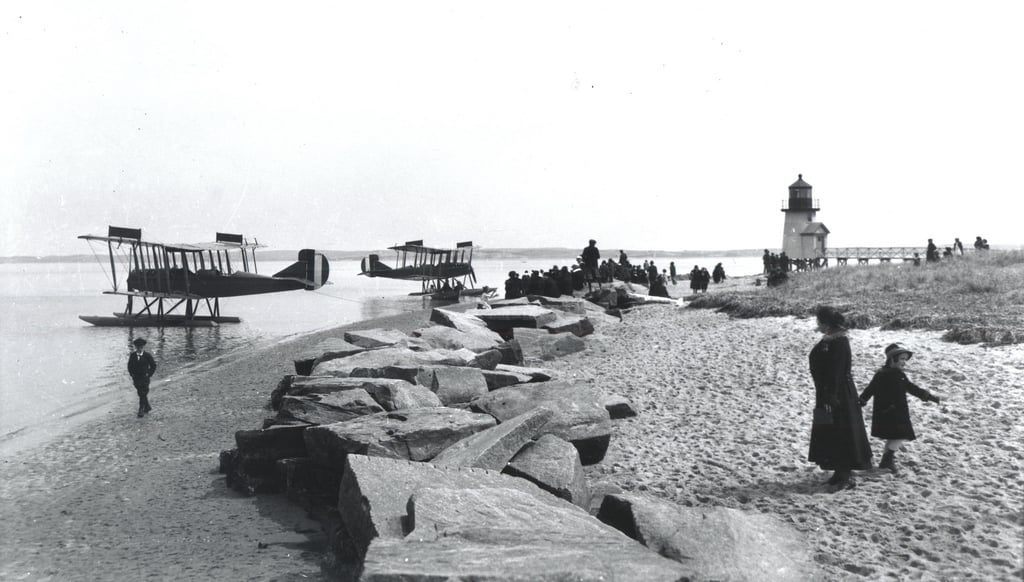
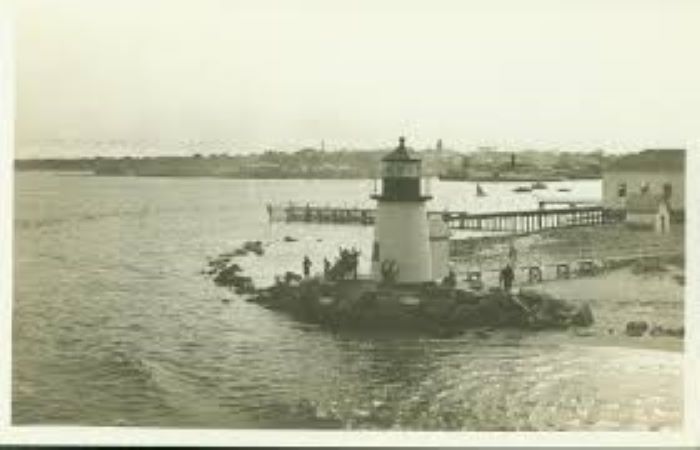
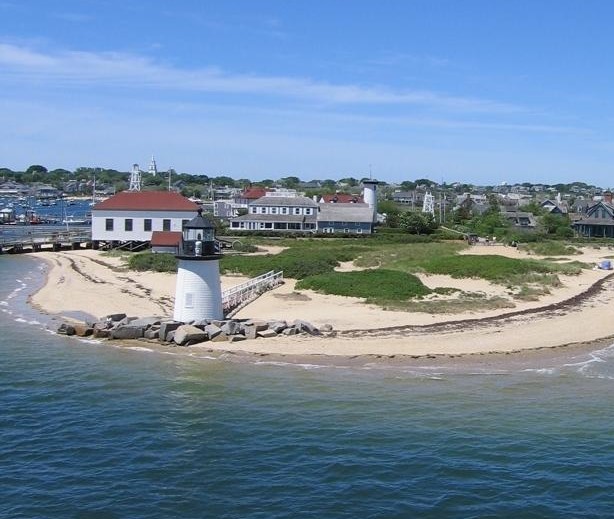
Cape Cod is a peninsula reaching 65 miles into the Atlantic Ocean off the coast of Massachusetts. The name was given by an English explorer in 1602 on account of the abundance of cod fish. There are 15 towns and numerous villages, all with historic sites. Here is a look at some of them.

Providence

303 Commercial St. For a point of reference, note the car by the door in the 1920s photo. The building is now the Post Office Cafe and Cabaret.

West Yarmouth

The Baxter Grist Mill in West Yarmouth was built in 1710, operated for nearly 200 years, and restored to its original working order in 1961 and 1989. The first photo is dated 1875.

Brewster

Originally, the Brewster Store was built as a church in 1852. In 1886 it was sold and became the store it still is today. The first photo is dated 1910.

Chatham

Chatham comprises only 16 square miles and is surrounded on three sides by water. It was settled in 1664 and incorporated in 1712. The first two photos are undated.

Sandwich

Incorporated in 1639, Sandwich is the oldest town on Cape Cod and one of the oldest in the U.S. The current town hall was built in 1834 and is seen here in an 1870s photo.

I

Categories: Uncategorized | Leave a comment

San Diego Part 2

Whaley House

The Whaley House was built in 1857 as a private residence. It is the oldest brick building in southern California. During its long history, it also served as a general store, county courthouse, theater, and now a museum. The first photo is dated 1865 and the second is from early 1900s.

Hotels

A lot of San Diego’s history lives on in its famous hotels. Here are four of them.

Cosmopolitan

The Cosmopolitan Hotel was built with 10,000 adobe bricks and opened in 1829. In 1869, it was renovated into a stage stop and hotel that lasted until1888 when it was converted to an olive factory. It re-emerged in the 1930s as a hotel. After extensive renovation it reopened in 2010 to its 1870’s grandeur. The first photo is undated and the second is dated 1872.

Del Coronado

Located on Coranado Island just across San Diego Bay is the Del Coronado Hotel aka The Del. It opened in 1888 and is still the second largest wooden structure in the U.S. The Crown Room ceiling is made with pegs and glue, no nails. The second photo is dated 1880s and the fourth is undated.

U.S. Grant Hotel

The U.S. Grant Hotel was built by the son of U.S. Grant and opened in 1910 after five years of construction at a cost of 1.9 million dollars (68 million today). By 1979 it was facing demolition, but was saved and renovated at a cost of 80 million dollars in 1984 (320 million today). The first photo is dated 1910.

Horton Grand Hotel

The Horton Grand was actually two hotels built in 1897 and slated for demolition in the 1970s. They were dismantled brick by brick, numbered, catalogued, and stored. Then, in 1986, they were rebuilt as one at a new location. A guest for seven years at the original Horton was none other than Wyatt Earp. During that time, he leased four bars and frequented another nearby called the Trivoli. It is the oldest bar in San Diego having opened in 1885. The first photo is dated early 1885.

Categories: Uncategorized | Leave a comment

San Diego Part 1

San Diego is the eighth most populous city in California. In it’s long history, many events stand out. One in particular is it’s hosting of the 1915 Pan-California Exposition in Balboa Park. The extremely popular event was put on to celebrate the opening of the Panama Canal. One of the surviving buildings is the Botanic Building, seen here in a 1915 photo.

Facing the opposite direction is Lily Pond, with the Fine Arts and Commerce and Industry buildings in the background of this 1915 photo.

Also still there is the Spreckels Organ Pavilion, home to the world’s largest outdoor pipe organ. It has 5,000+ pipes ranging from 1 foot to 32 feet. The first photo is dated 1915.

The Cabrillo Bridge was and still is a favored access to Balboa Park. It was built in 1915 specifically for the Pan-Califonia Exposition. At 1,500 feet long and 125 feet high, it was a marvelous way to enter Balboa Park, as many certainly did in this 1915 photo. As a point of reference, note the white building on the right in each photo.

Street Cars

A popular method for getting around the City of San Diego was by double-decker electric street car, the first ever on the West Coast. Today, double-decker buses are used, primarily for sight-seeing tours. The first photo is dated 1892 at 5th and Market Street.

La Jolla

La Jolla is a seaside neighborhood in San Diego with seven miles of coastline and stunning views. The first photo is dated 1894.

Point Loma

West of downtown San Diego is Point Loma with its iconic Old Point Loma Lighthouse which opened in 1855. The first photo is dated 1911.

Categories: Uncategorized | Leave a comment

Acadia Part 2

Most visitors arrive at Mount Desert Island by boat. Once there, several travel options are available. One of the most popular is the free Island Express bus. However, before there were paved roads, there were buckboard roads built by the Brewer family, who owned most of Cadillac Mtn. The roads were popular with pedestrians and those with sled-like wagons, as seen in this 1888 photo.

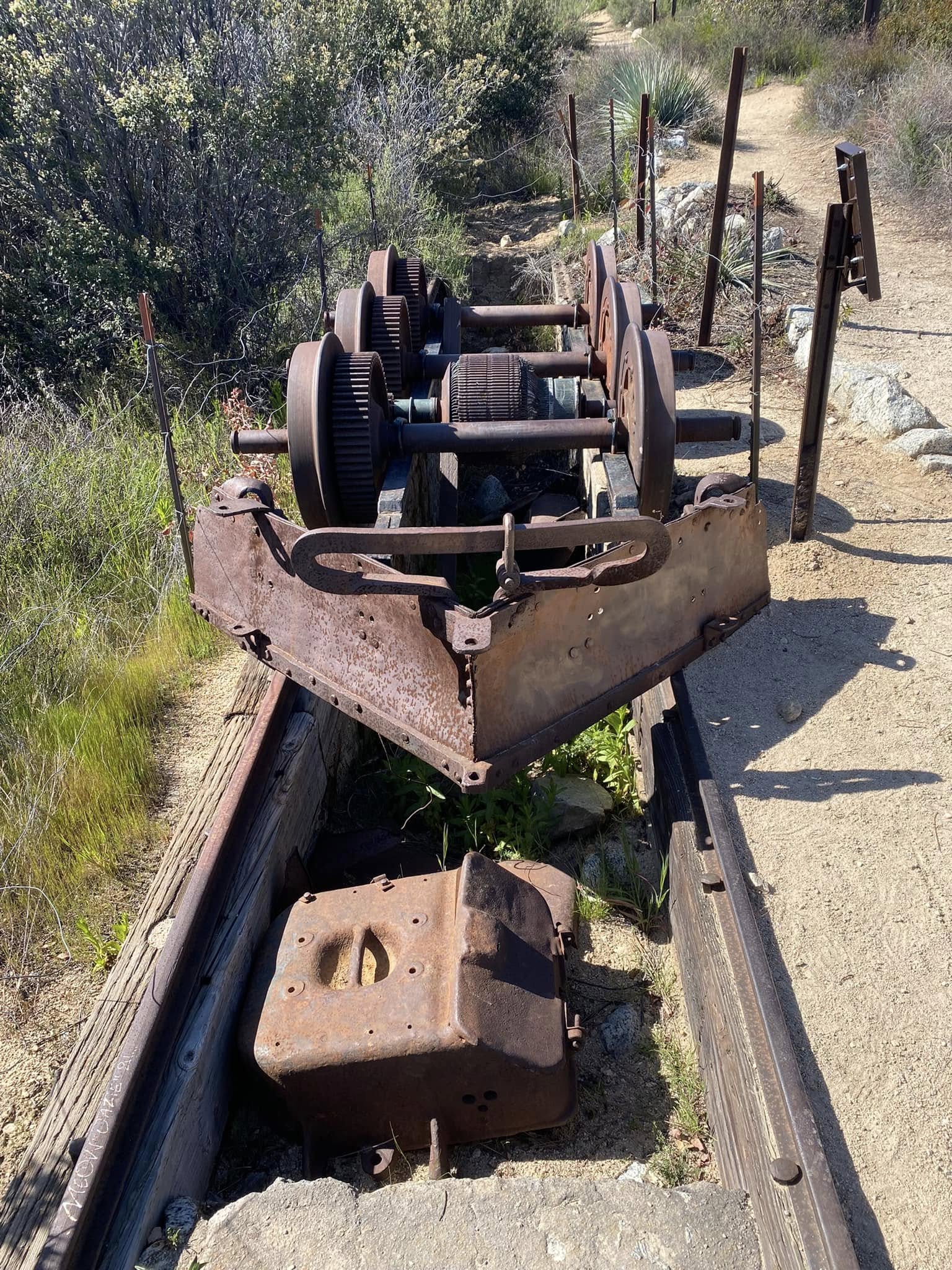
Also popular was the Green Mountain Cog Railway, which took visitors to the top of Green Mountain, as Cadillac Mountain was known then. It operated from 1883-93. The first photo is undated.

The last rail.

Here is a 1939 photo showing the Eagle Lake carriage road.

It is now paved, as are the other 45 miles of former carriage roads, but parking can be a problem so many use bikes instead.

One very out-of-the-way place is Pulpit Rock, best accessed by boat. Here are some visitors in 1875.

If you want to get really away, the very lonely Mt. Desert Lighthouse fits the bill. It is located 18 miles south of Mt. Desert Island. The lighthouse was built in 1847 and the keeper’s house in 1892. The site is now a research station. The first photo is dated 1875.

Categories: Uncategorized | Leave a comment

Acadia NP Part 1

Acadia National Park is located southwest of Bar Harbor on Mount Desert Island, Maine. It makes up one half of Maine’s coastline. In spite of its location, it is one of the top 10 most visited National Parks. Acadia comprises 49,000 acres and was originally established as Lafayette National Park in 1919 as the first National Park east of the Mississippi River. The name was changed 10 years later. Eleven thousand of the original acres were donated by John D. Rockefeller, who also built 16 bridges and 57 miles of carriage roads, 45 of which are maintained in the Park. Numerous natural sites attract four million visitors per year. Some of the most popular sites are:

Cadillac Mountain

Surprisingly, at 1,530 ft. Cadillac Mountain is the tallest mountain along the entire eastern seaboard. From early October to early March, it is where the first sunlight hits the U.S. The first photo is dated 1930s.

Sand Beach

One of the most popular spots on the Park’s Loop Road is the 290-yard-long Sand Beach. It is the only beach open to swimming, but, with an average temperature of 55 degrees, not much swimming goes on, as illustrated in the third photo. The first is dated 1888.

Sieur de Monts Spring

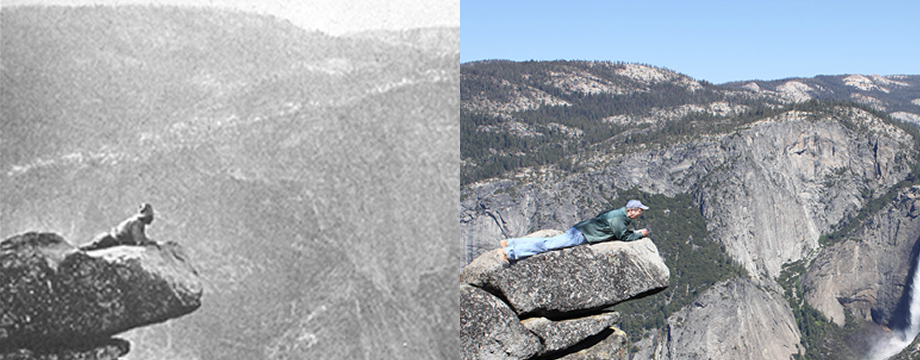
George Dorr’s 1909 acquisition of 5,000 acres of what would become Acadia NP saved Sieur de Mont Spring from becoming a water source for a local bottling company. The first photo is undated and credit for the third showing then and now could not be found.

Thunder Rock

The defining sound of air escaping when tides force waves into a small opening gives Thunder Rock its name. The first photo is dated ca1920.

View from the sea.

Bubble Rock

Bubble Rock is a glacial erratic deposited 10,000 years ago. Strangely, estimates of its weight vary from 40 tons to 100 tons. However, we can, at least, be sure it is heavy enough to preclude being pushed downhill.

Categories: Uncategorized | Leave a comment