Stone House

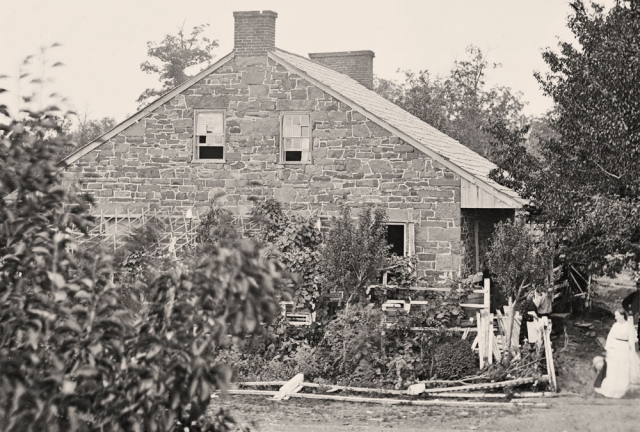
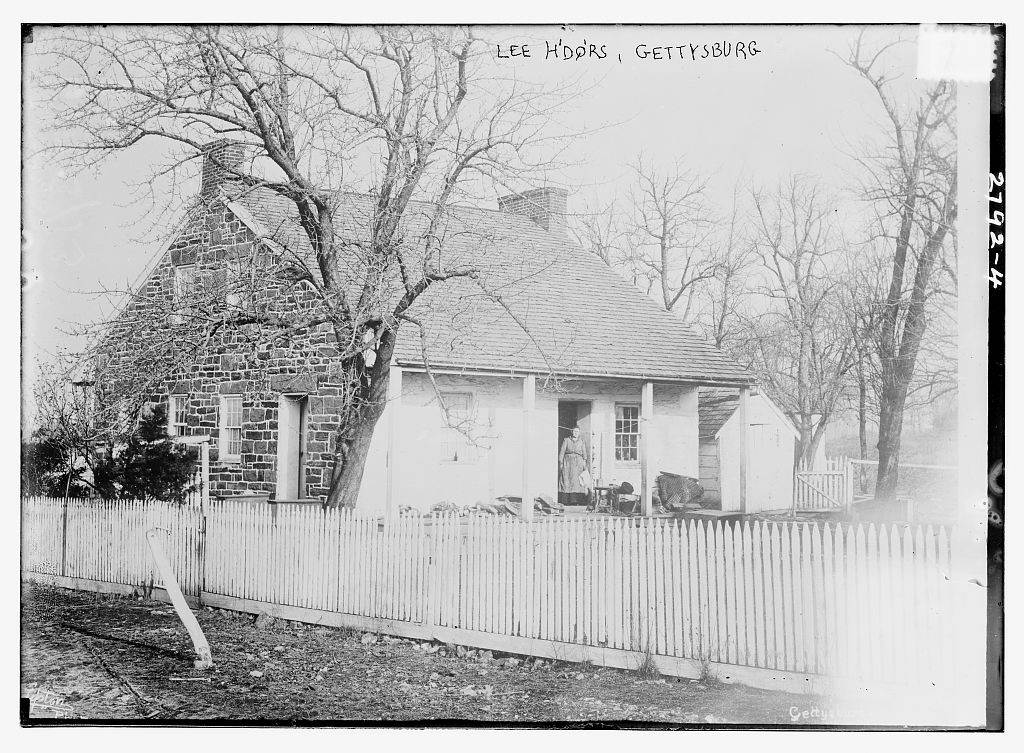
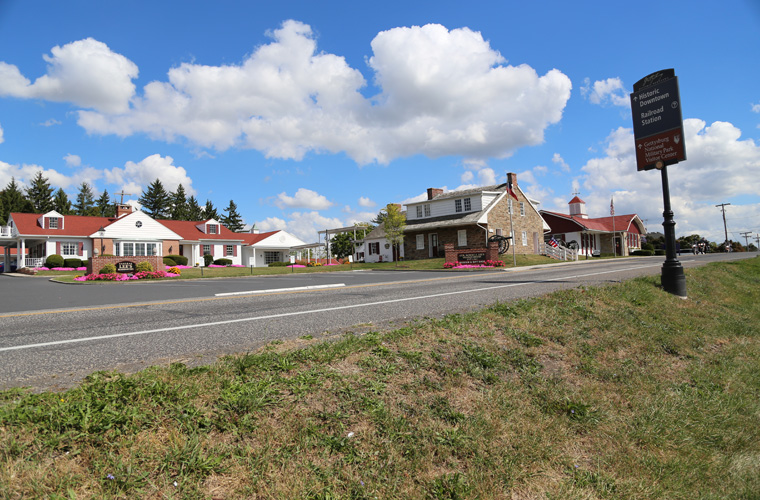
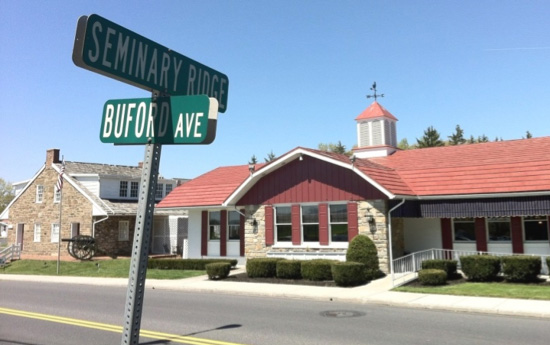
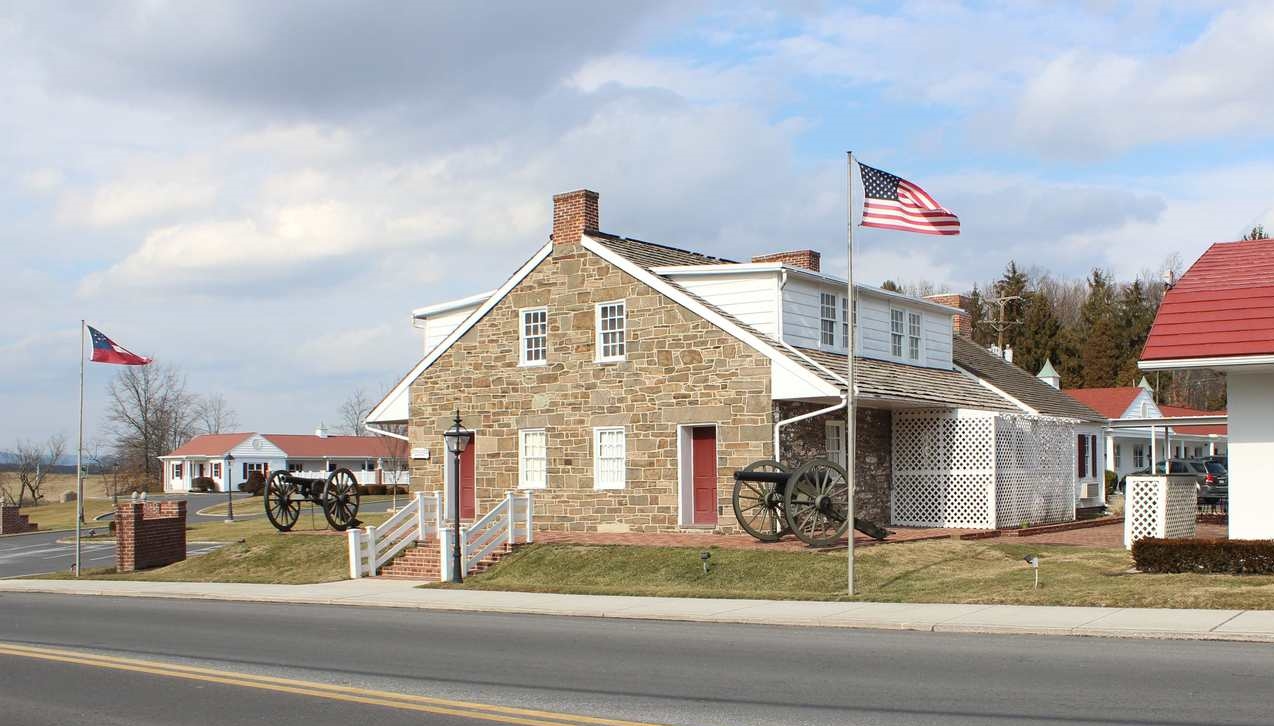
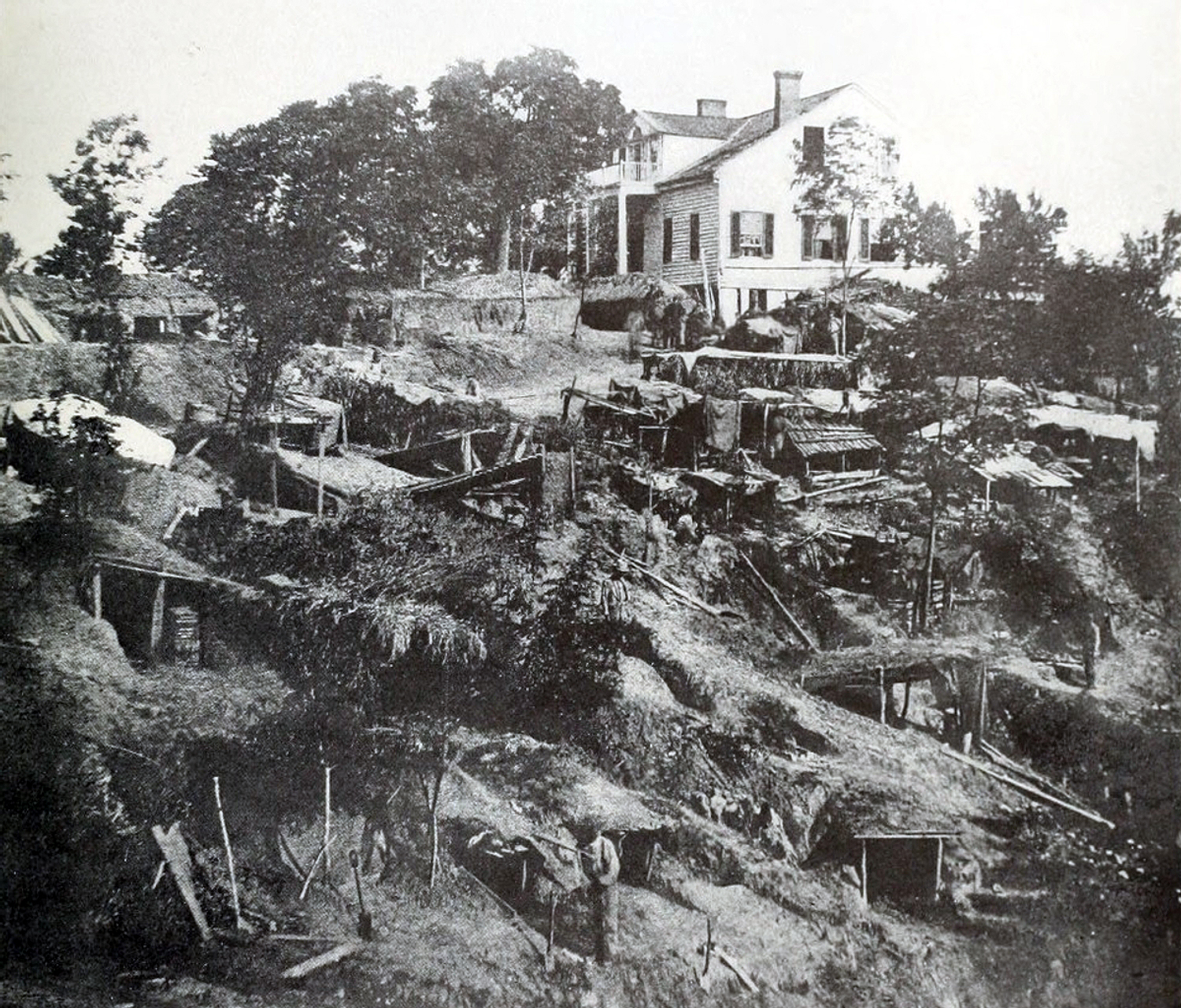
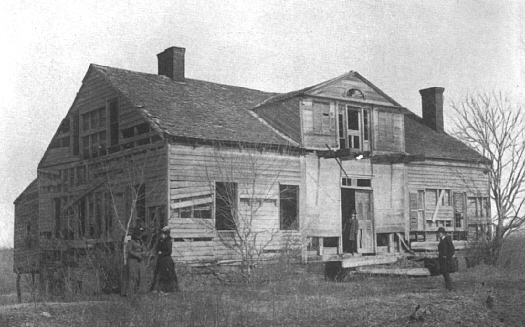
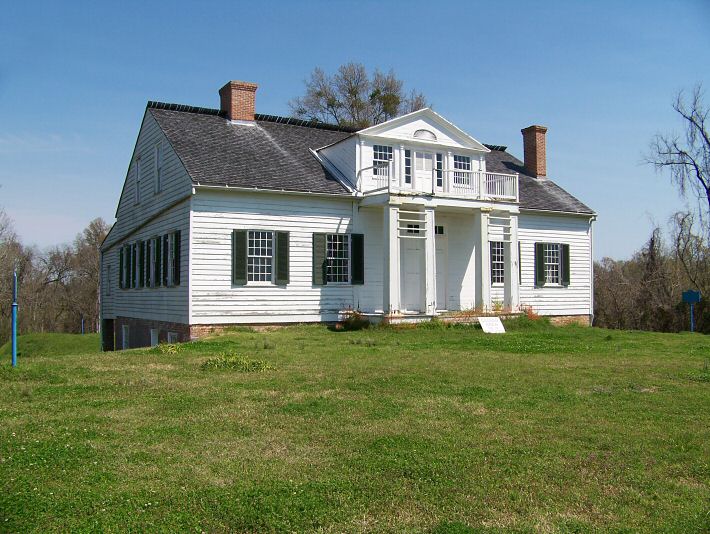
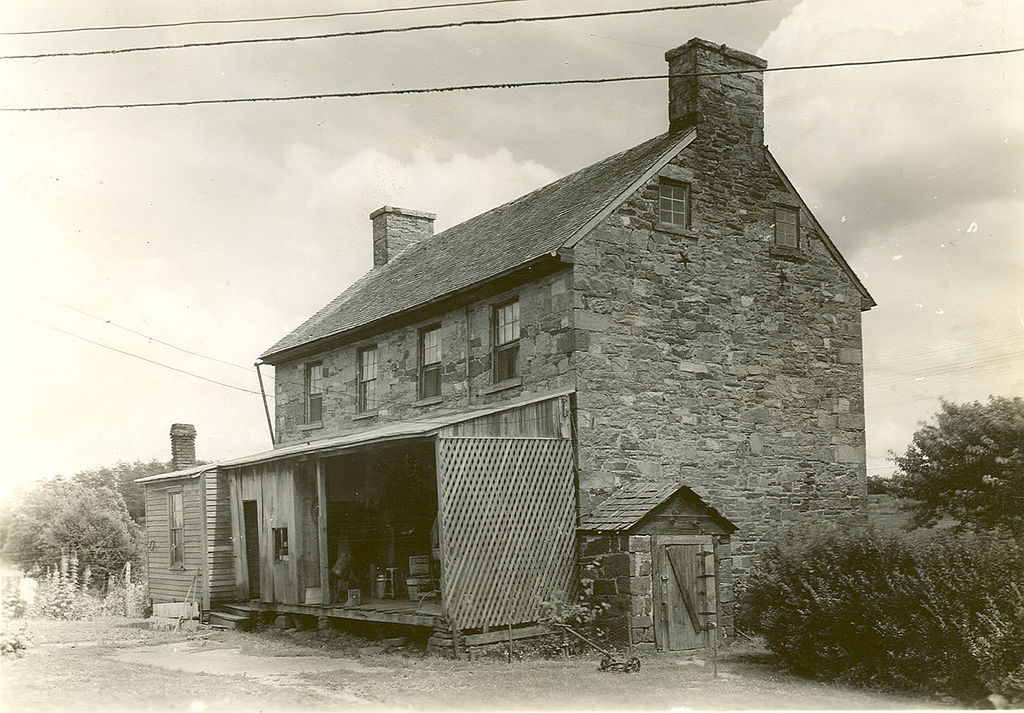
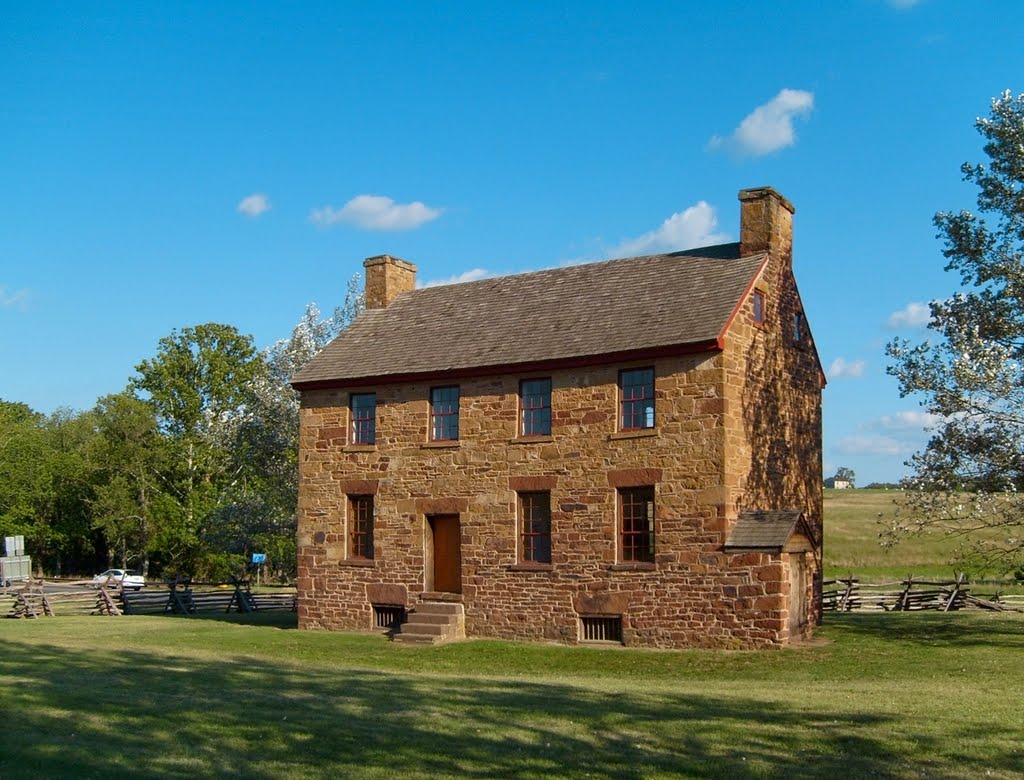
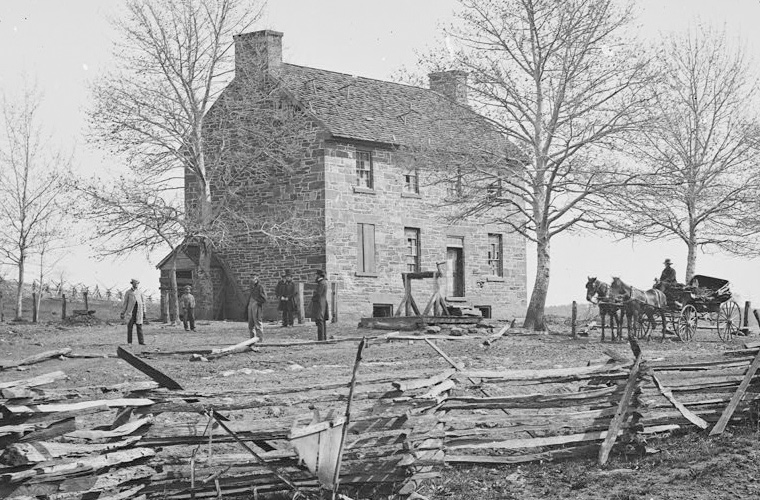
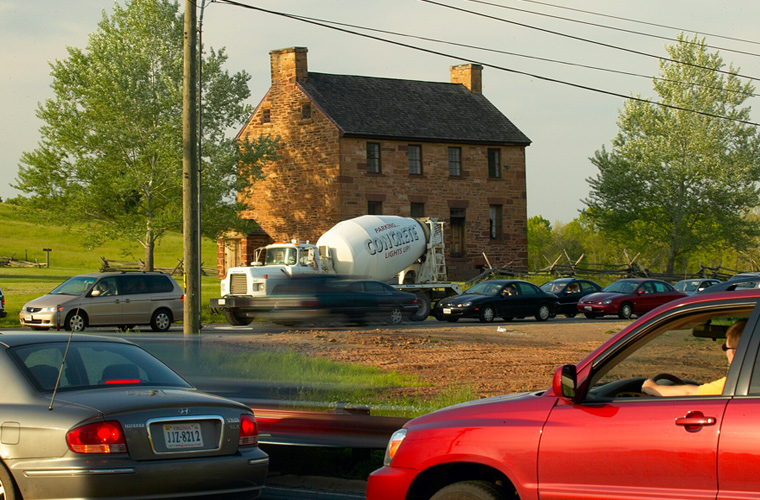
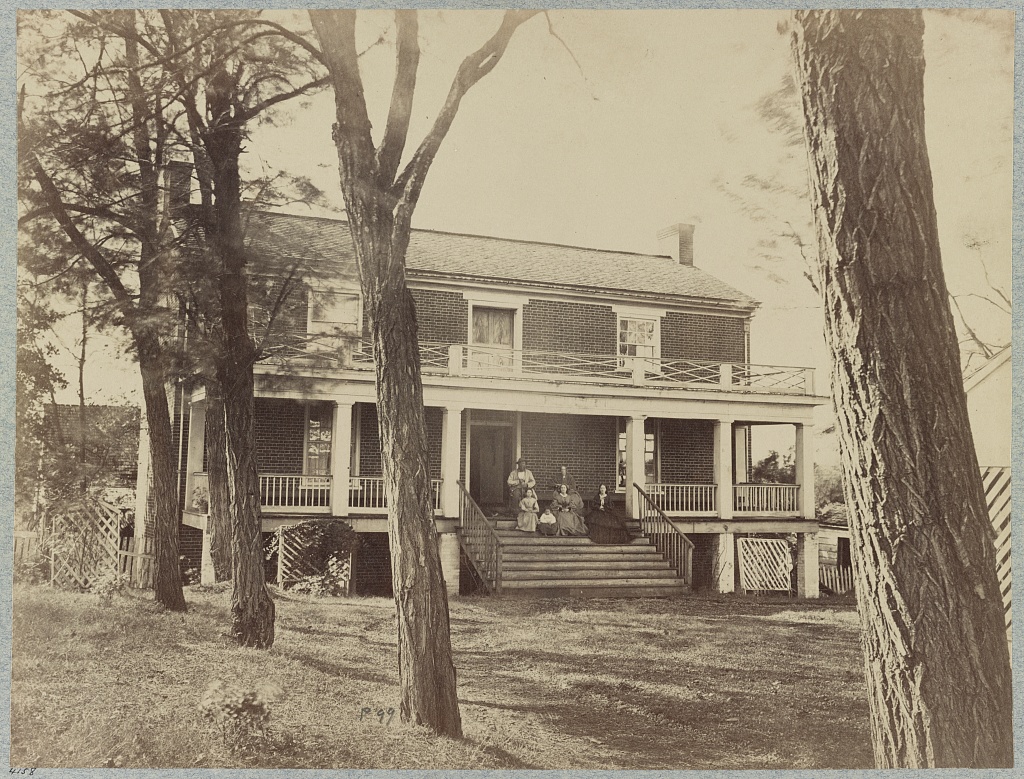
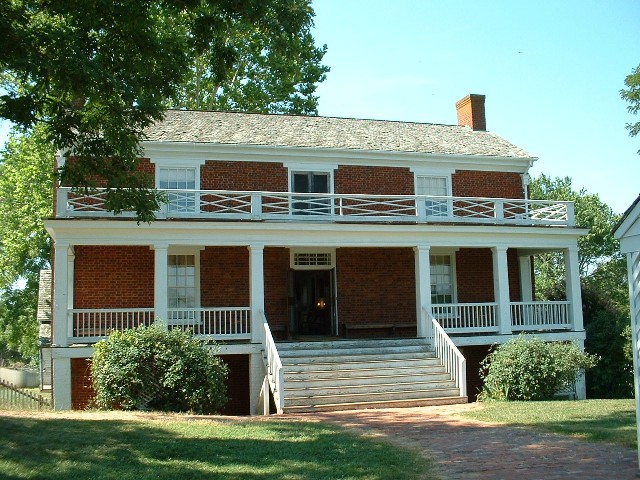
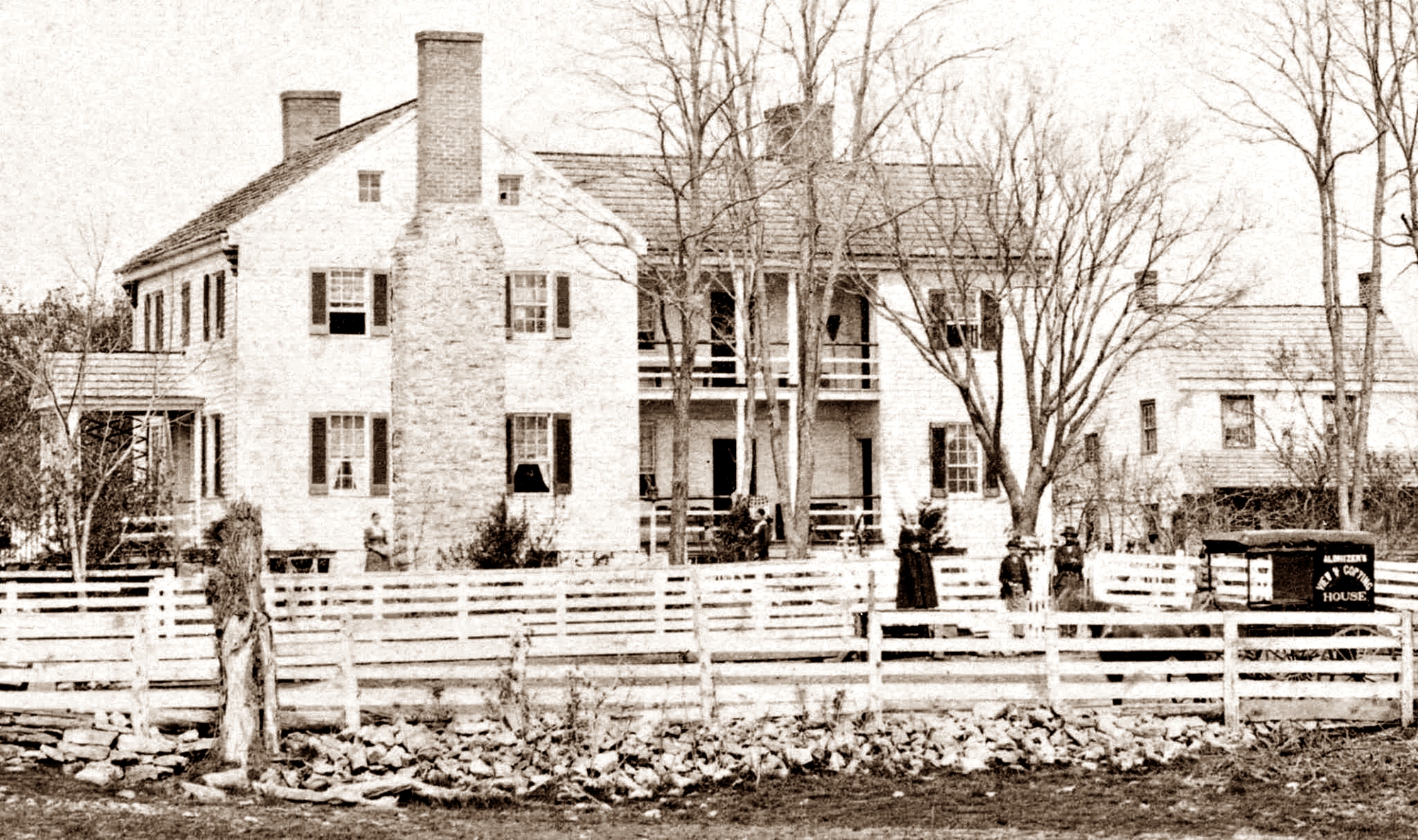
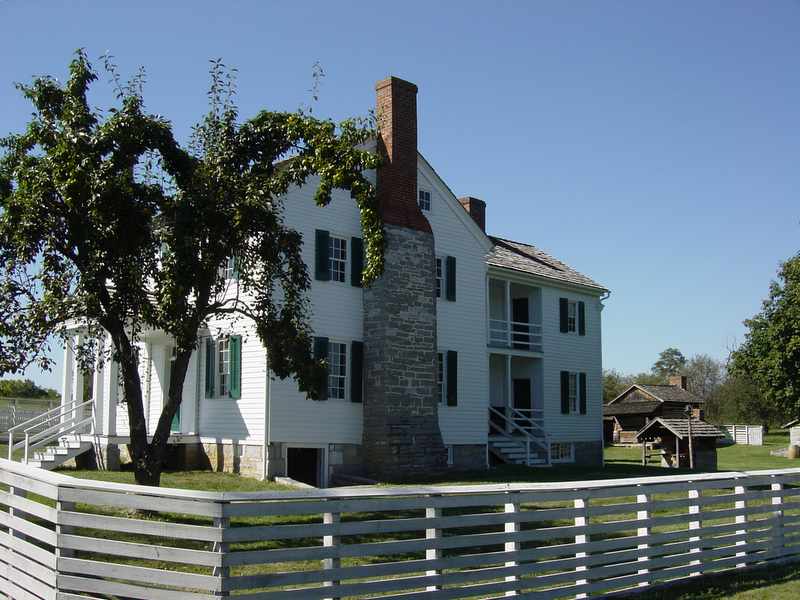
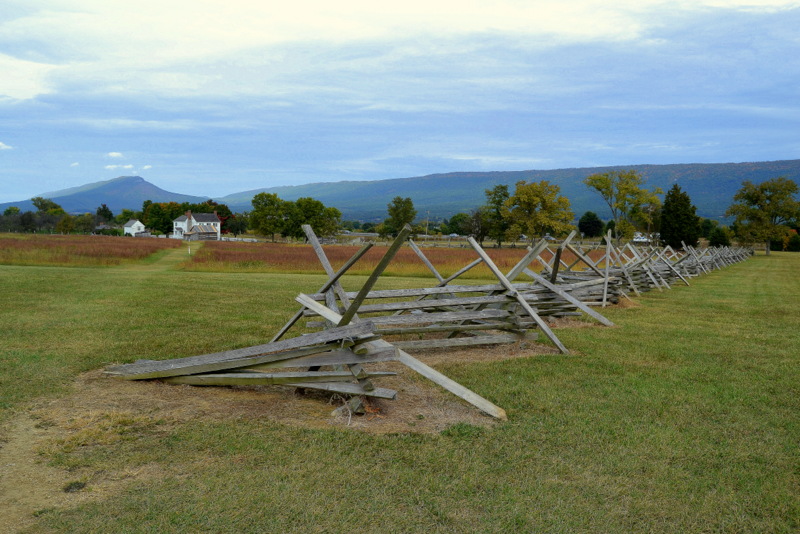
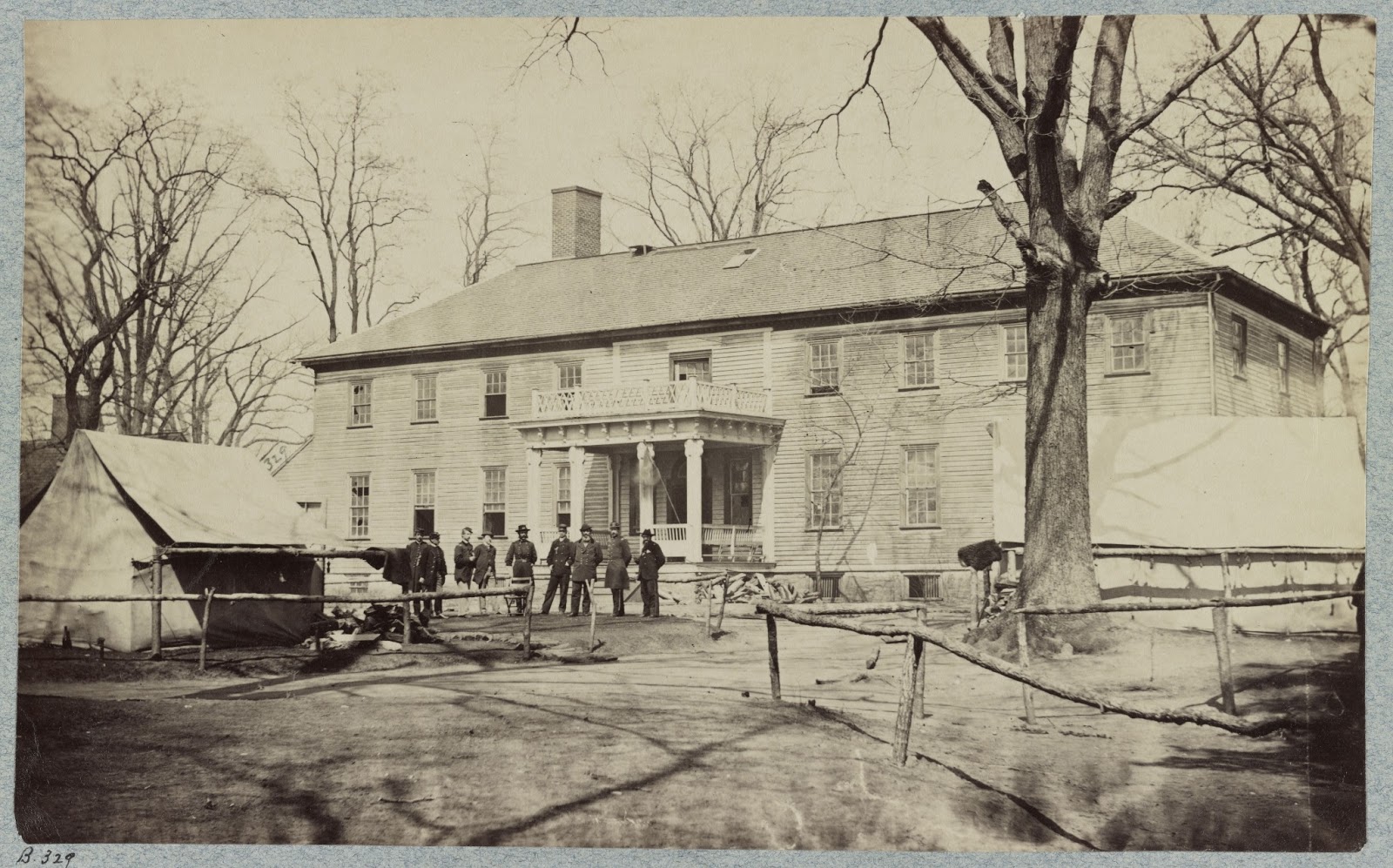
The Stone House was built in 1848 and is located in Manassas, Va.,  where two major battles (both known as Manassas in the North and Bull Run in the South) were fought. Both sides occupied the house, but it was primarily a hospital under Confederate control. It was sold to the Federal Government and renovated in 1949. The first photo is from the early 1900s while the third dates from 1862. The final photo shows the challenges presented by being just 30 miles from Washington, D.C.


Categories: Civil War | Leave a comment

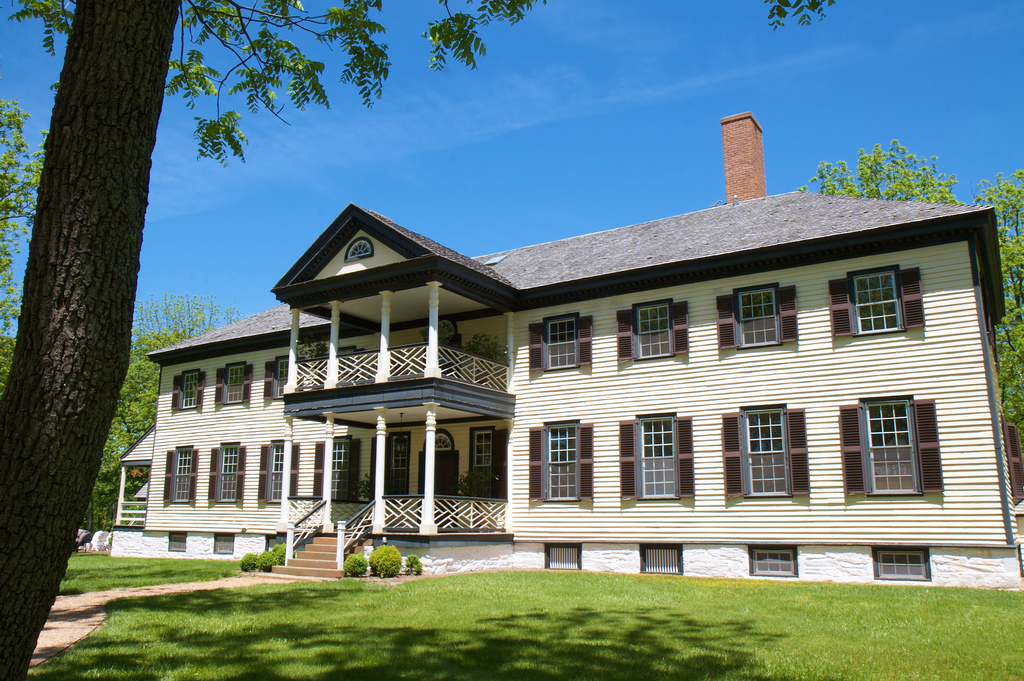
McLean House

The McLean House was also built in 1848 and is located in Appomattox, Va. It served as the surrender site for the Confederate Army when Lee and Grant met there on April 9, 1865. It had been purchased by Wilmer McLean in 1863 who, ironically, moved there to avoid the war, which had started on his farm in 1861 in Manassas, Va.! In the 1890s it was dismantled to be moved to Washinton D.C. where it was intended to be reassembled and  serve as a Civil War museum . That never happened so the scraps sat in pieces for 50 years when many of the old materials (5,000 bricks)  and new ones were used to reconstruct the dwelling, which then opened for tours in 1949. The first photo is dated 1865.

Categories: Civil War | Leave a comment

Point Park

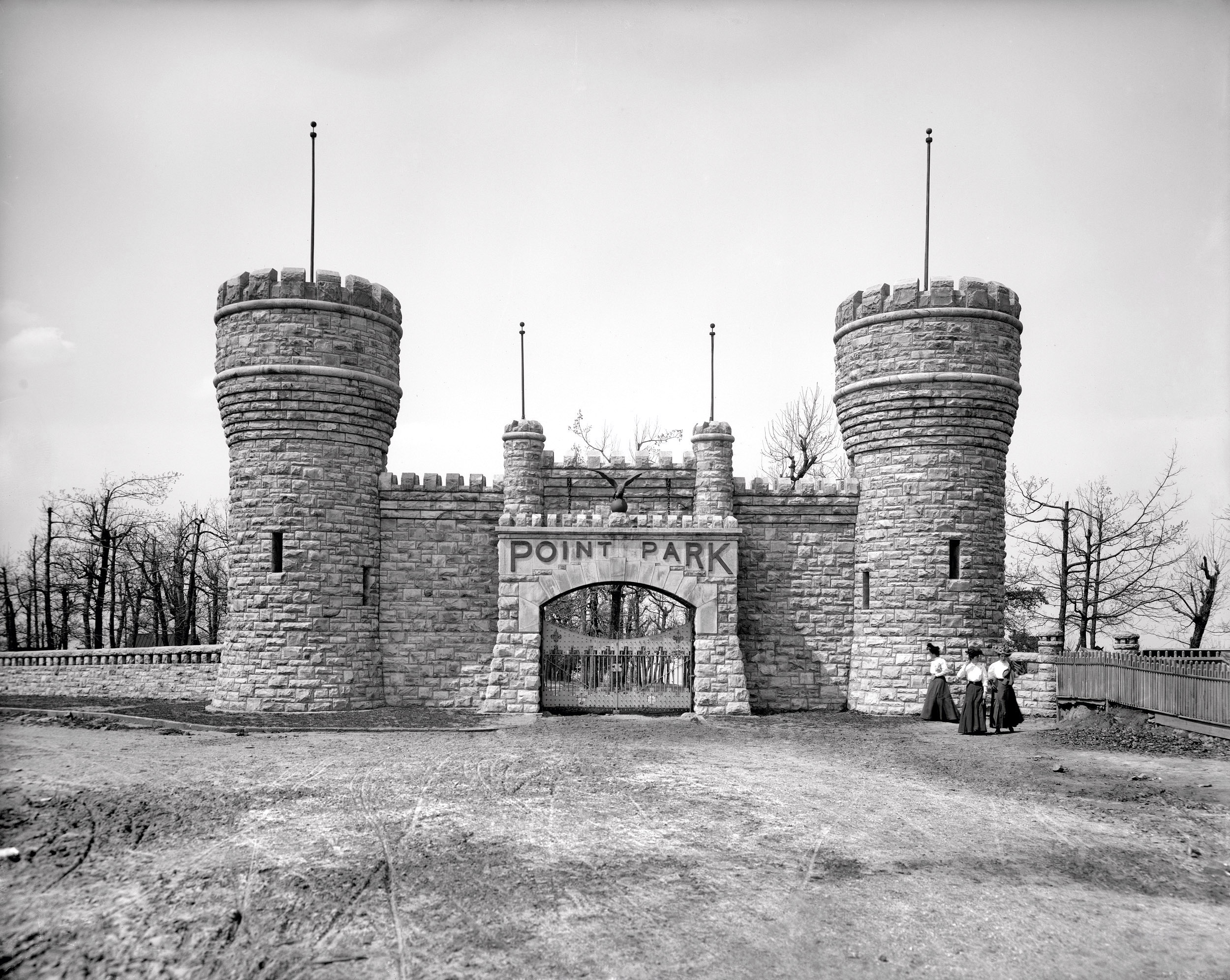
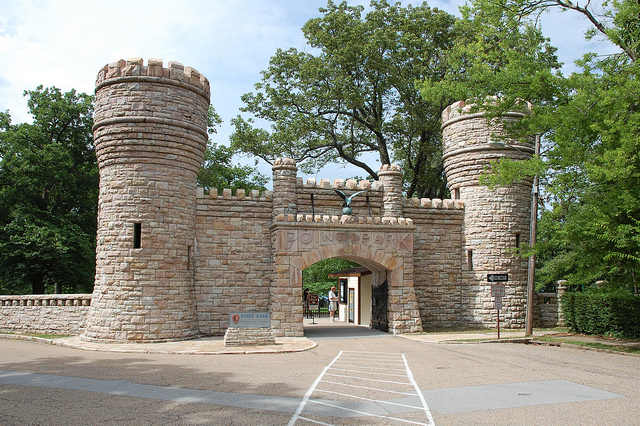
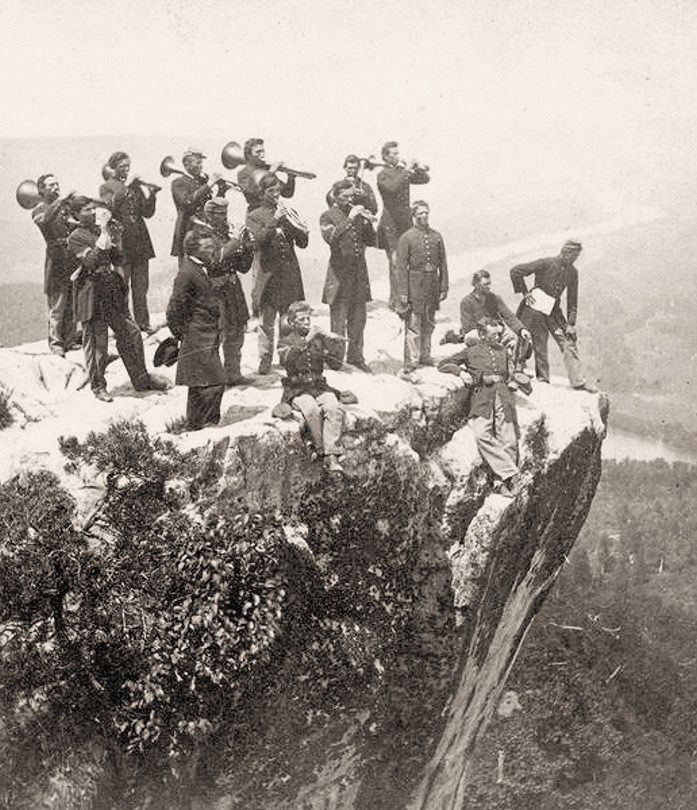
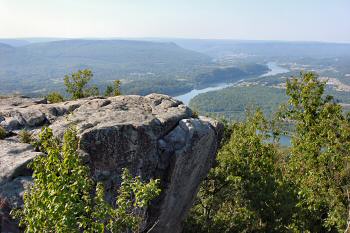
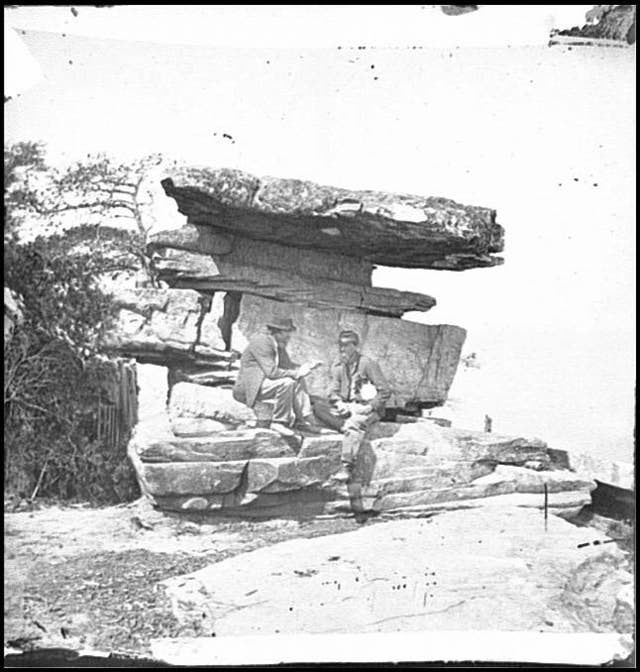
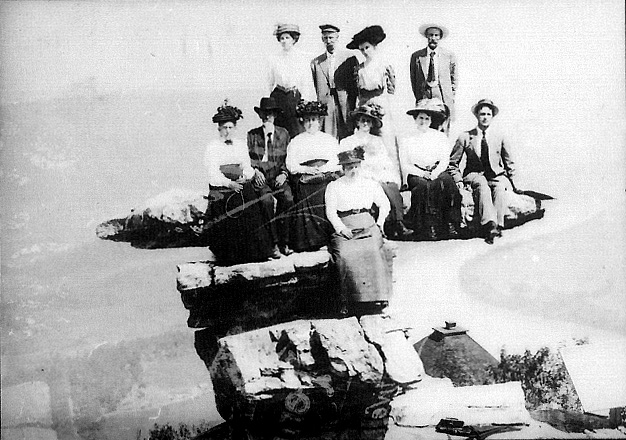
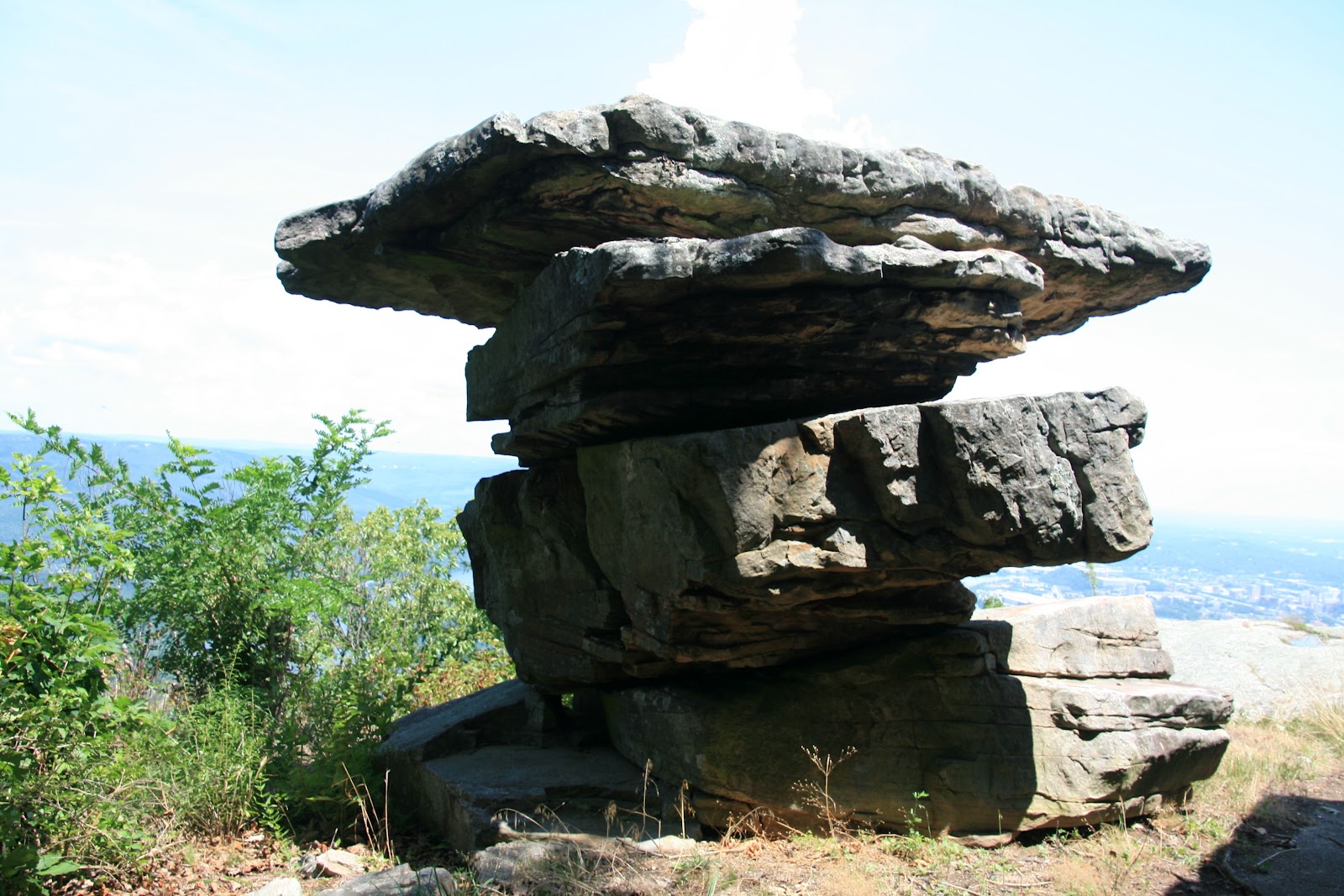
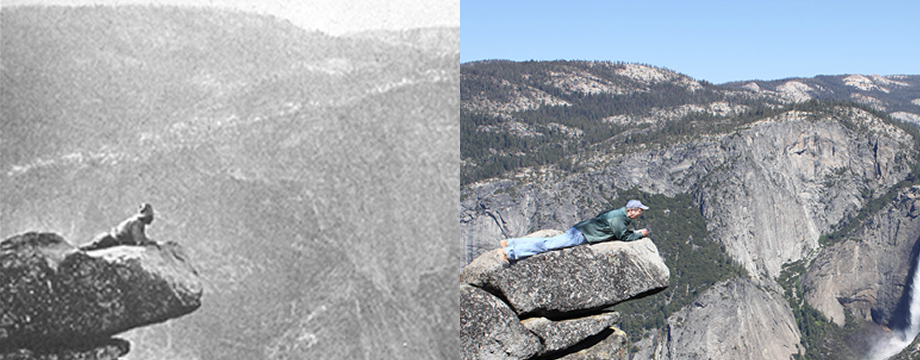
Established in 1905, Point Park is located in the Chickamauga and Chattanooga National Military Park. It resides on top of Lookout Mountain, which is on the northwest corner of Georgia, the northeast corner of Alabama, and on the Tennessee state line.For many years two prominant vistas–Lookout Mountain and Umbrella Rock– have been extremely popular. The first photo shows the Park entrance in 1907. The third photo shows a Union band on top of Lookout Mountain in 1864.

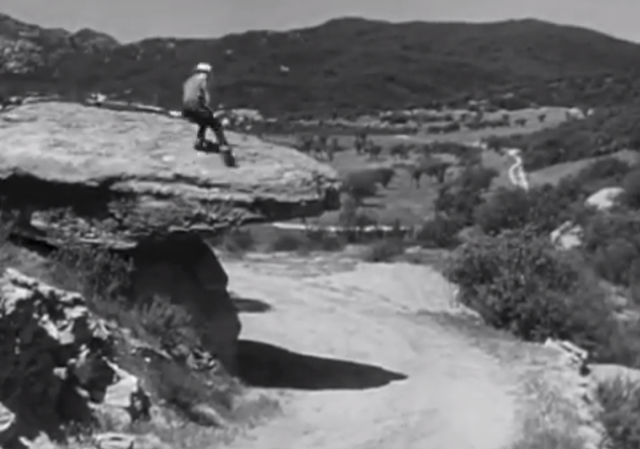
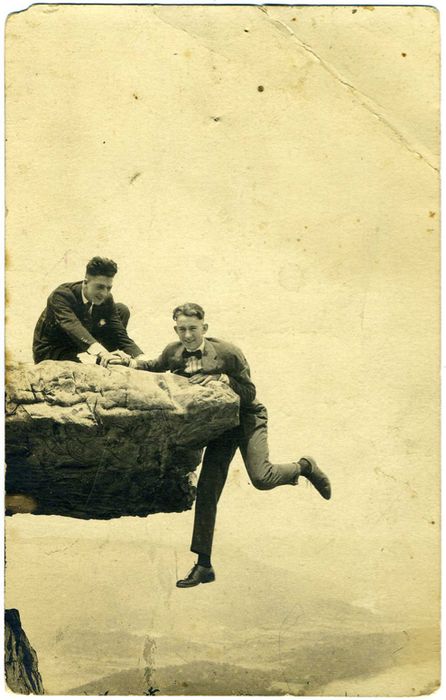
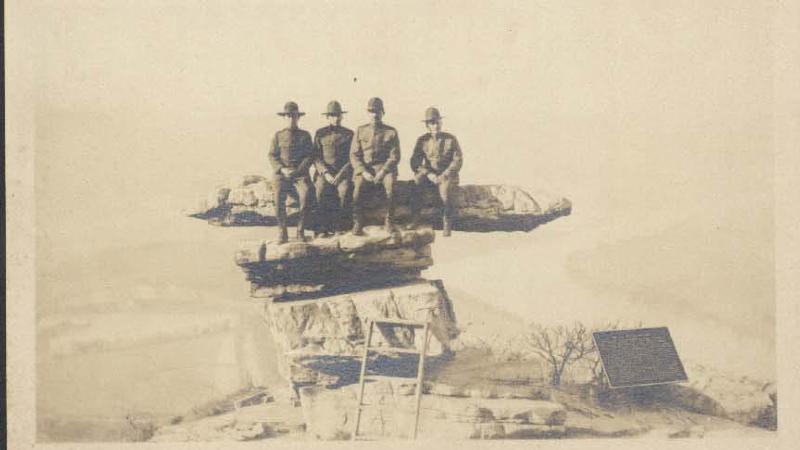
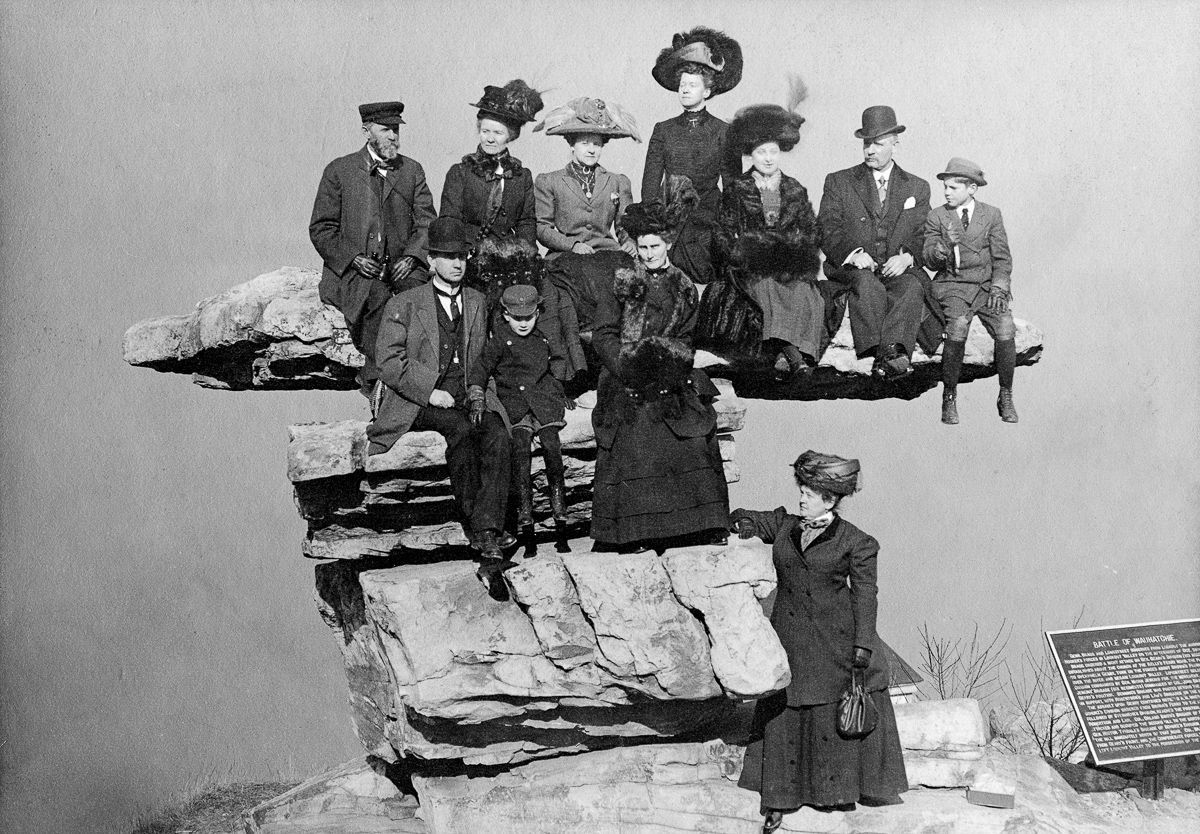
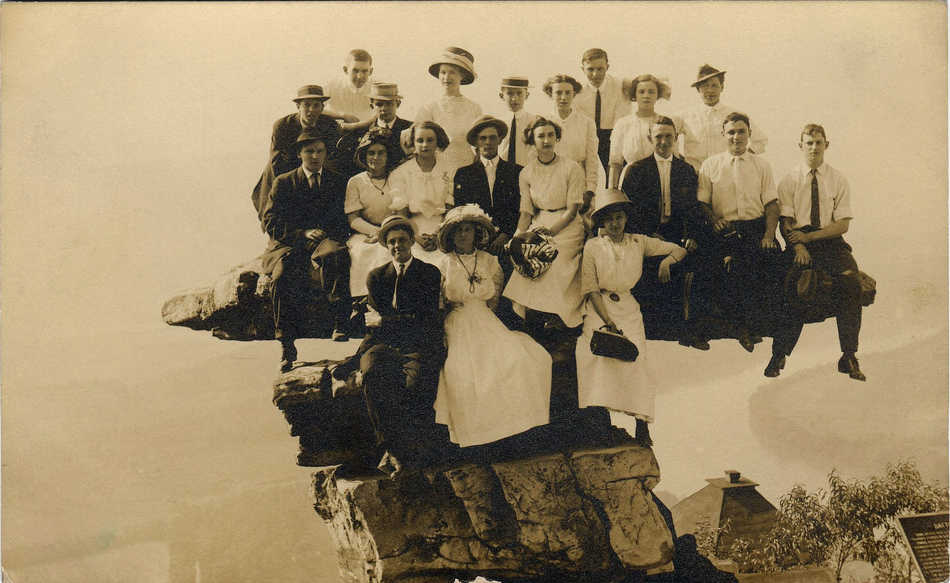
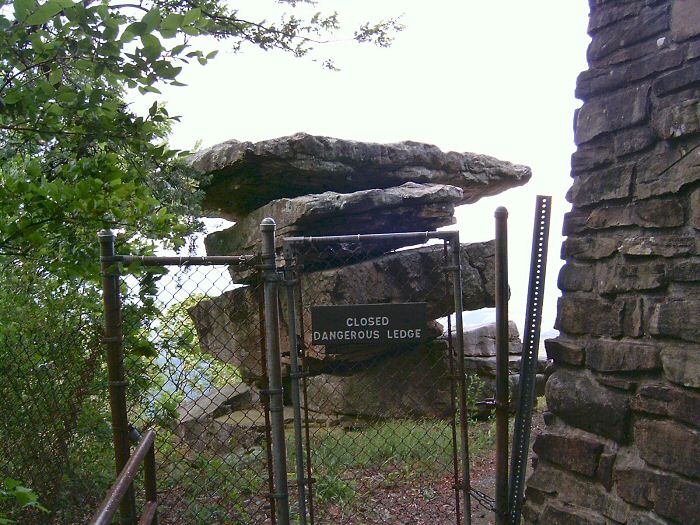
Umbrella Rock has provided hundreds of fascinating photos over the years as you can see in the following examples :

1863

1909

19171918UndatedUndatedNow

But, unfortunately, here is a sign of the times (click to enlarge):


Categories: Civil War | Leave a comment

Arlington House

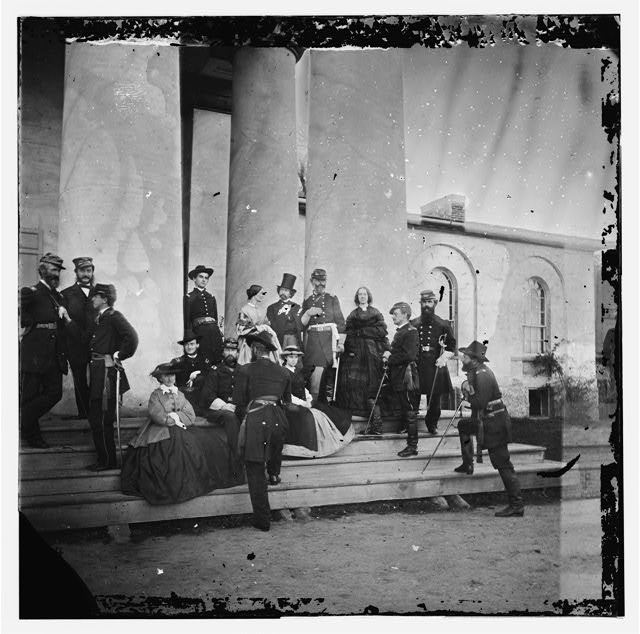
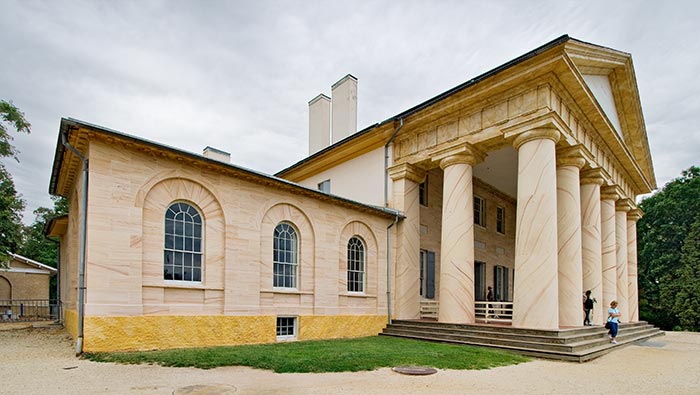
The former Custis-Lee Mansion became Arlington House, The Robert E. Lee Memorial in 1972. It was built in 1802 on a bluff just across the Potomac River from Washington D.C. It was occupied by Lee’s family for 30 years until Lee left in 1861. The Federals took over in 1864 and started Arlington Cemetery. The first photo shows the front porch in 1861 with Mathew Brady in a top hat. The second photo is dated 1864.


Categories: Civil War | Leave a comment

Bushong Farm

The house at Bushong Farm in Virginia’s Shenandoah Valley was built in 1825. On May 15, 1864, it was the center of the Battle of New Market when  6,000 Union and 4,100 Confederate forces engaged in a fierce battle. Part of the Confederate army consisted of 257 cadets from the Virginia Military Institute (VMI) ages 14 through 24. The cadets were intended as reserves, but immediately saw front line action; ten were killed and 57 wounded. The first photo was taken in the 1880s.


Categories: Civil War | Leave a comment

Farley House

The 7,000 sq. ft. Farley House was built in 1790 in Culpepper County Virginia. During the Civil War it was occupied by both sides, first by Jeb Stuart and then by the Union Headquarters 6th Corps. One hundred and twenty thousand Union soldiers wintered nearby in late 1863 following the Battle of Brandy Station – the largest, mostly cavalry engagement not only of the Civil War but of any war fought on U.S. soil. The photo is dated 1864 and  shows Union occupation.

Categories: Civil War | Leave a comment

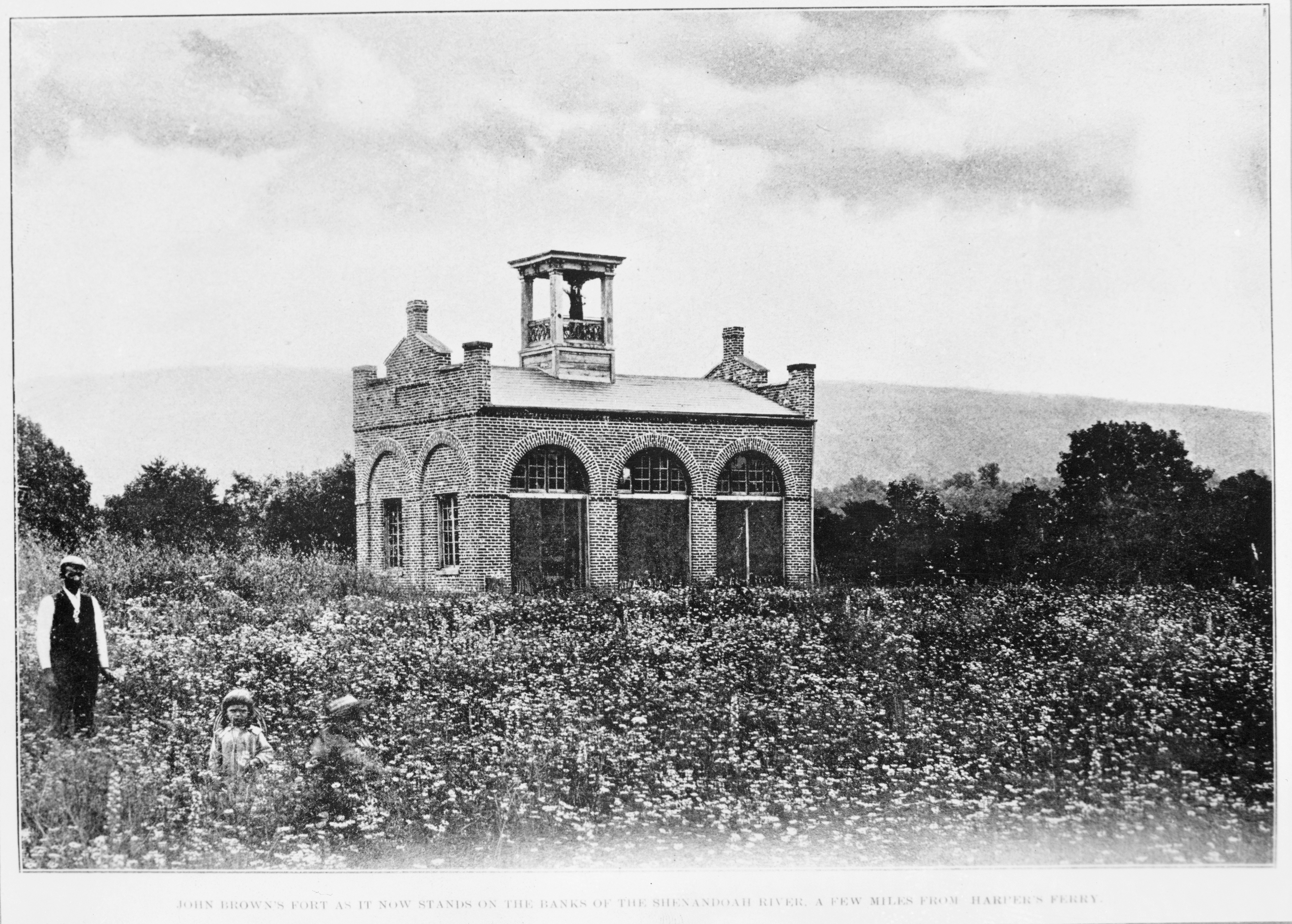
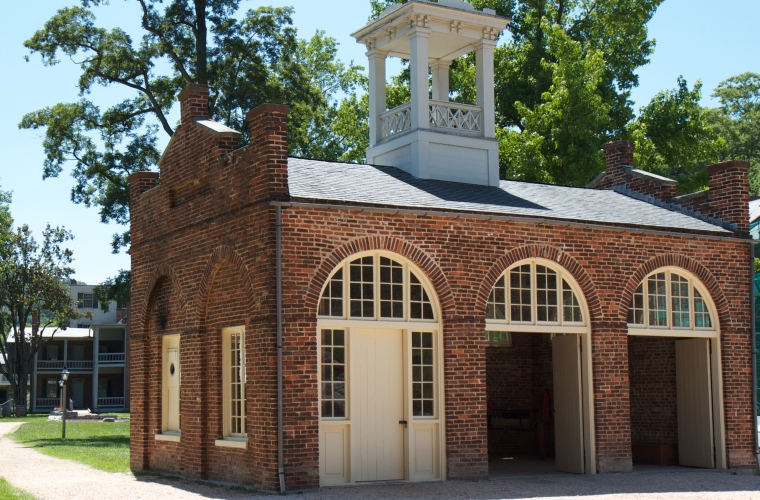
John Brown’s Fort

John Brown’s Fort was built as a firehouse in Harper’s Ferry West Virginia in 1848. It is the site where, in 1859,  John Brown and his followers barracaded themselves after attempting to take over the adjacent armory. Ironically, the insurrection was put down by none other than Robert E. Lee and Jeb Stuart. In 1891 the building was sold, shipped in pieces, reassembled, and put on display in Chicago near the Columbian Exposition. It attracted a grand total of 11 visitors. Then in 1895 it was dismantled and shipped back to Harper’s Ferry, where it sat in a farmer’s  field. After that it was moved to a local college campus where it stayed until 1968 when it made its final move to about 150 feet from where it was originally situated. The first photo is dated 1888, and the second one was taken in 1895.


Categories: Civil War | Leave a comment

Niagara Falls Daredevils

Here are three of the most notable Niagara Falls daredevils. The first is Annie Taylor who, in 1901, dropped 158 feet over Horseshoe Falls in a barrel and became the first man or woman to survive it. Click to enlarge the photo and note the cat on the barrel’s rim.


The second daredevil is The Great Bandini who, in 1859, was the first to cross on a tightrope. The walk took 20 minutes on a 1100-foot, 3-inch diameter, manila rope. His 30-foot balancing pole weighed 40 pounds. That summer he made 8 more crossings , one carrying his manager (see photo) and the next year pushing a wheelbarrow.

And then there is Maria Spelterini who in 1876 became the first female tightrope walker. One one occasion she walked from the American side to the Canadian side and back again! Another time she skipped across, and yet another time she did it blindfolded. But the most noteworthy trip was when she walked across with peach baskets attached to her feet (see photo, click to enlarge).

For a supurb write-up of these and many other daredevils, check out   niagarafrontier.com/devil_frame.html

Categories: Niagara Falls | Leave a comment

Niagara Falls Turned Off

For six months in 1969 the Army Corps of Engineers diverted Niagara’s flow in order to check the stability of the rock to avoid the possibility of collapse.

Categories: Niagara Falls | Leave a comment

Niagara Falls

Niagara Falls is comprised of three separate falls, two (American and Bridal Veil) on the American side and one (Horseshoe) on the Canadian side.Together they flow an average of 3,160 tons of water per second! They are seen by three million people a year. On the American side most visitors view from Niagara Falls State Park in New York–the oldest state park in the United States. The first three photos are of American Falls in 1855, 1860 and frozen in 1900. The fifth photo is from the Canadian side in 1906.


Visitors in the mist in 1907 and recently.


Categories: Niagara Falls | Leave a comment