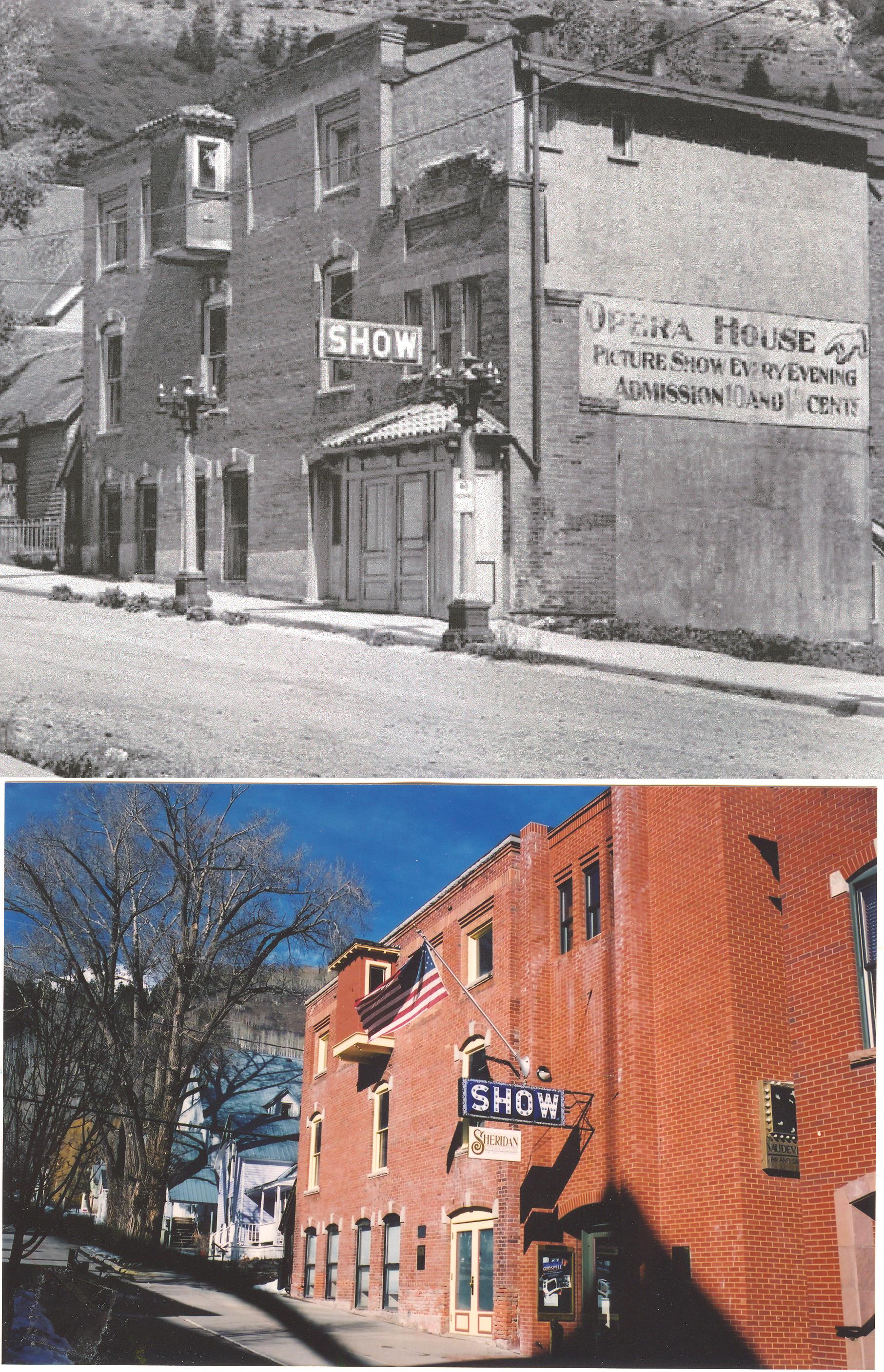
The Sheridan Opera House was built in 1913 and seated 200 people in chairs that slid under the stage for dances. It was the place to be when motion pictures were invented. The photo is from 1940.

|
You are using an insecure version of your web browser. Please update your browser!
Using an outdated browser makes your computer unsafe. For a safer, faster, more enjoyable user experience, please update your browser today or try a newer browser.
|
|
Recreation and Re-creation |
The Sheridan Opera House was built in 1913 and seated 200 people in chairs that slid under the stage for dances. It was the place to be when motion pictures were invented. The photo is from 1940.
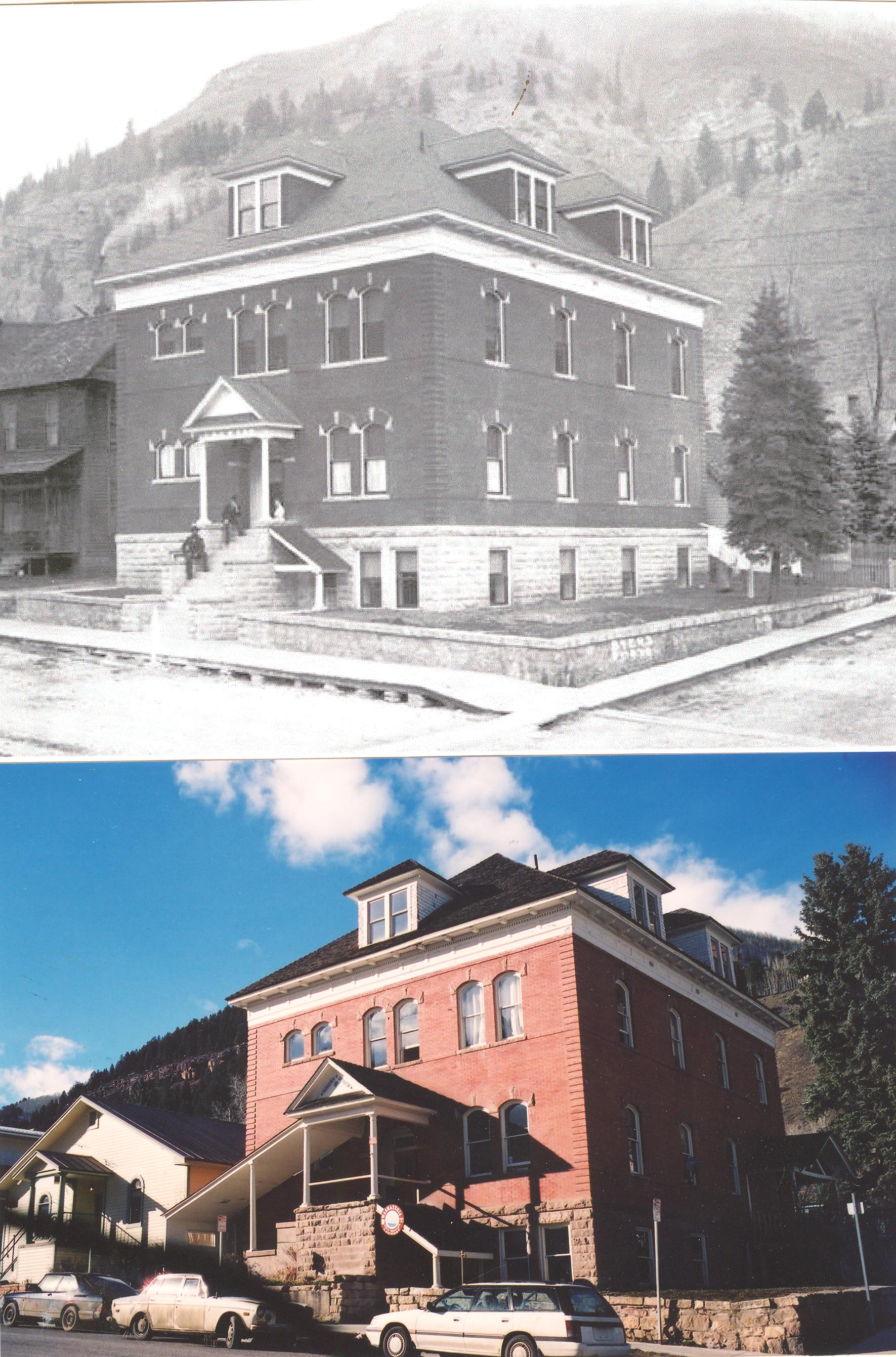
This hospital was built in 1902 but closed after only two years due to labor strikes at the mines. It was later a post office then a laundromat, dormitory, and radio station. The photo is from 1903.
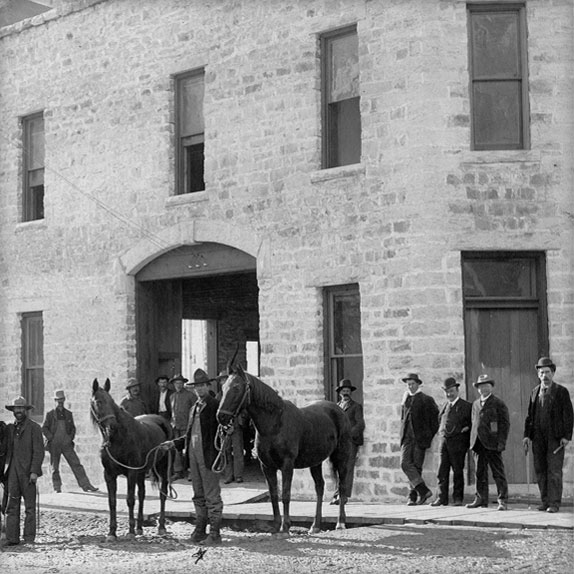
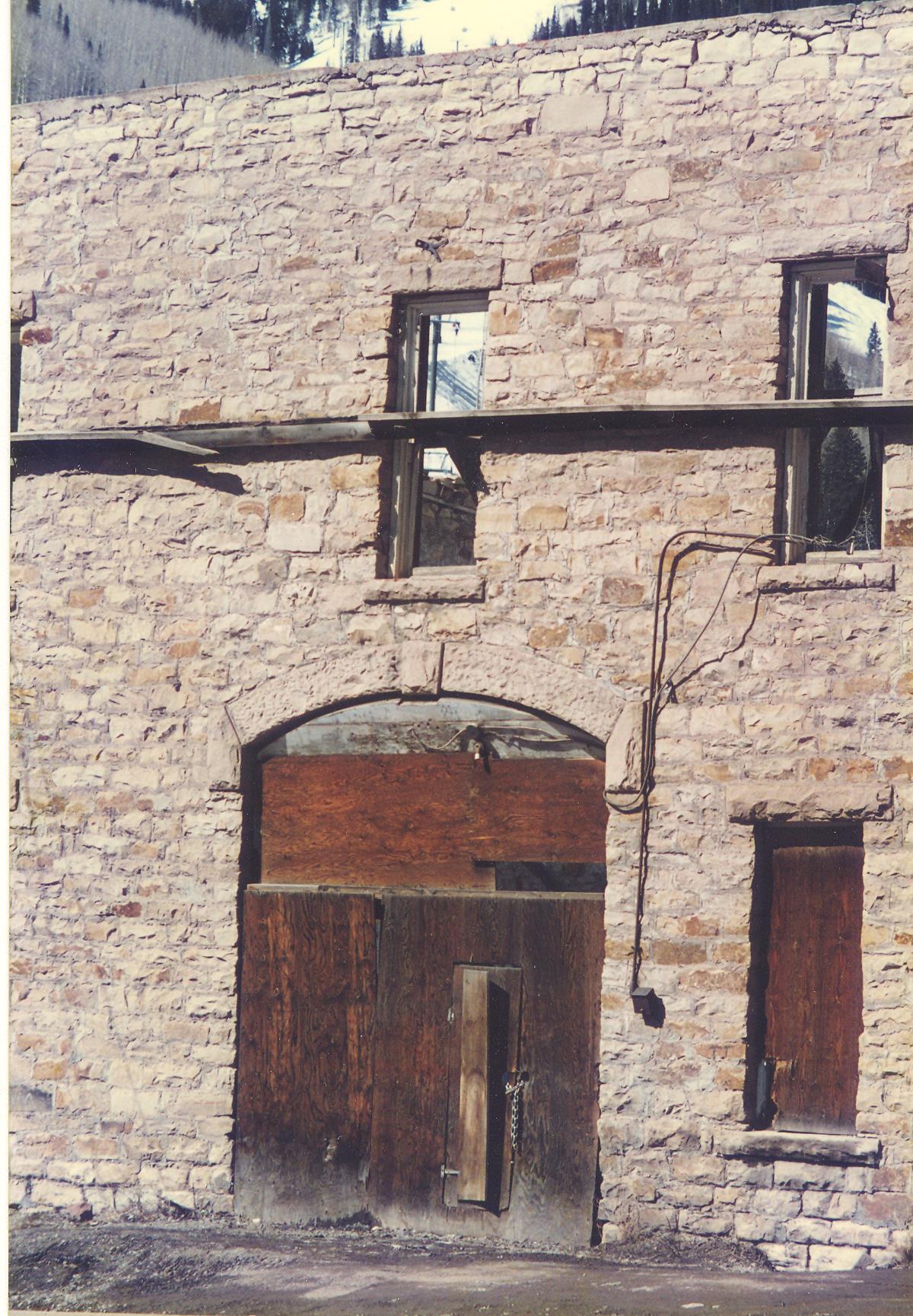
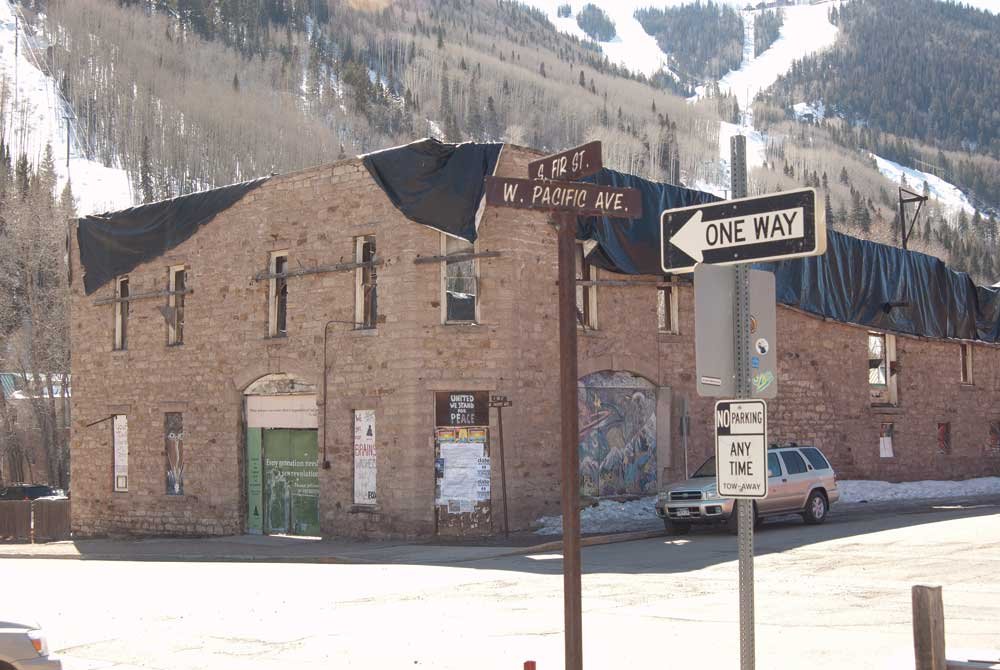
Telluride Transfer was built in 1899 and served as a livery for the miners. They would ride uphill to the mines, get off, and send the mules back downhill to the building.The roof collapsed in 1979. Efforts are now underway to convert it to a community center and art exhibitions.
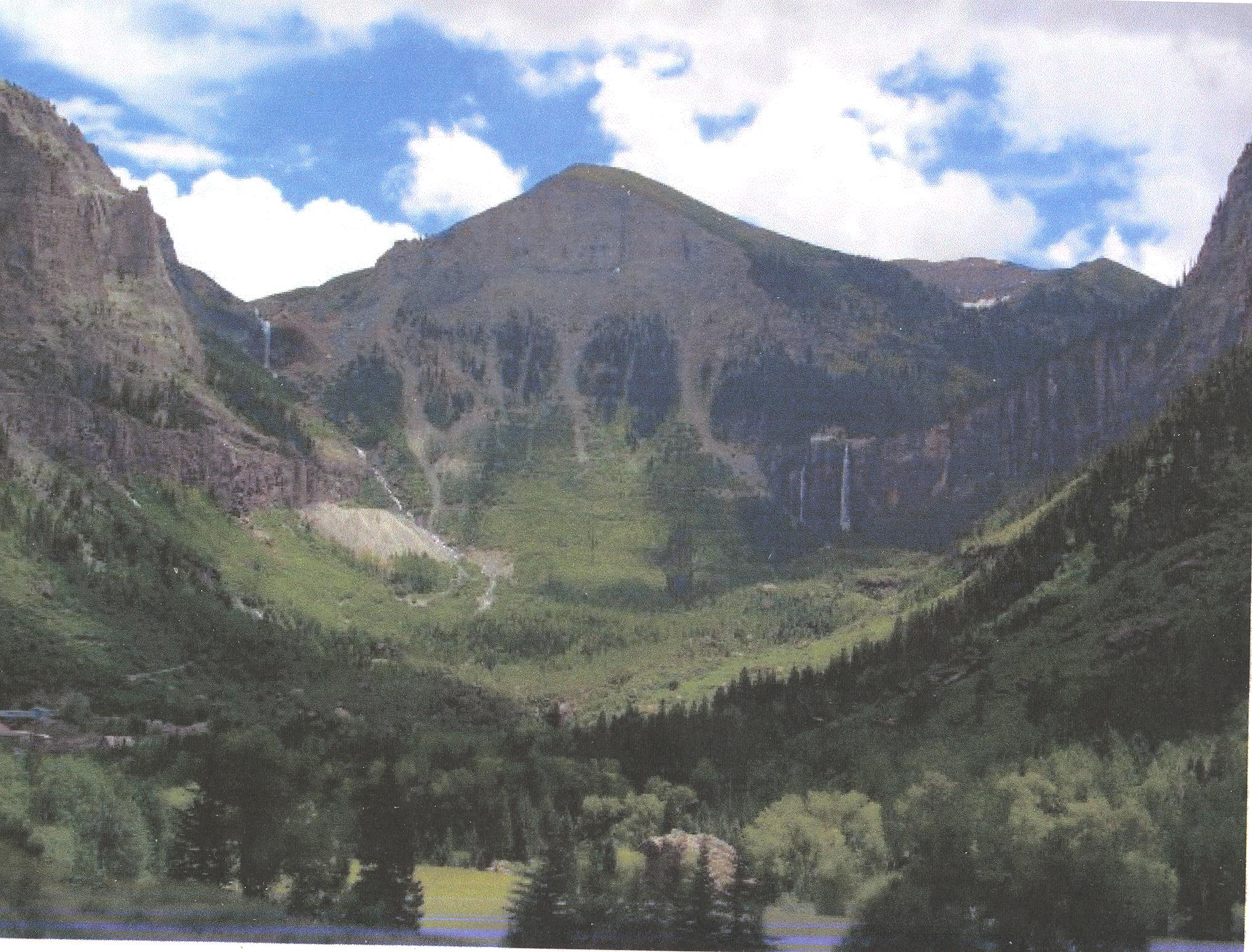
And, finally, at the extreme east end of Telluride lies Bridal Veil Park with its majestic views of the mountain peaks and mining areas. This was the setting for the Telluride Band in this 1886 photo.

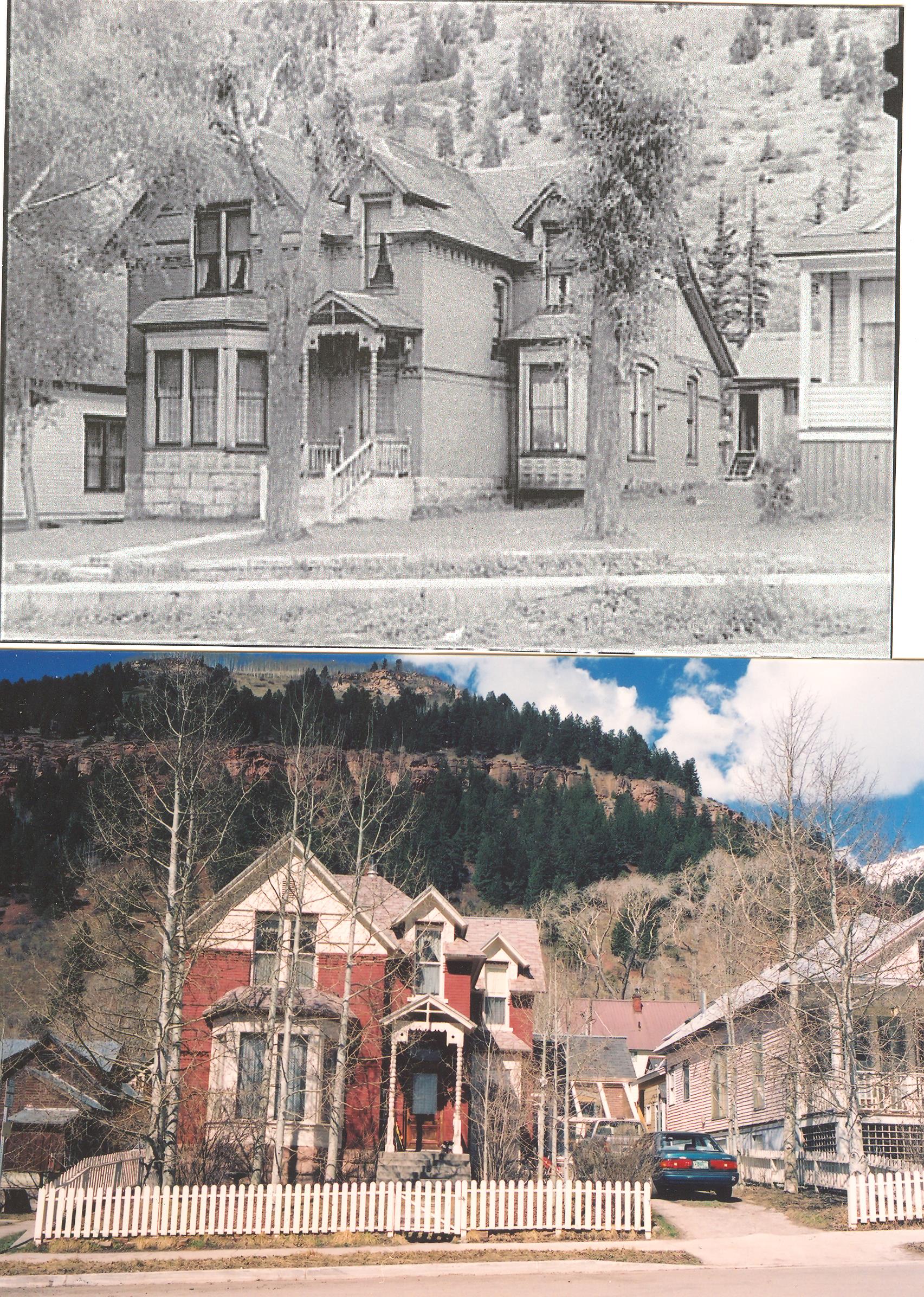
This residence is the finest example of Queen Anne architecture in Telluride. It was built in 1893 and looks much the same as it did back then.
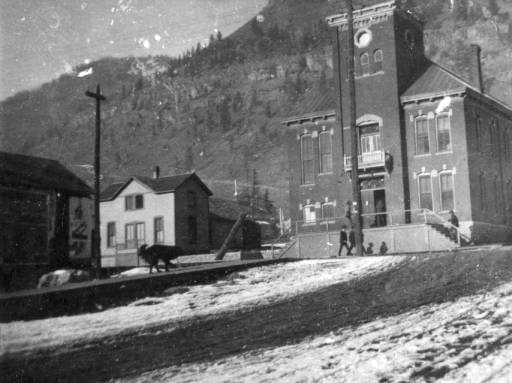
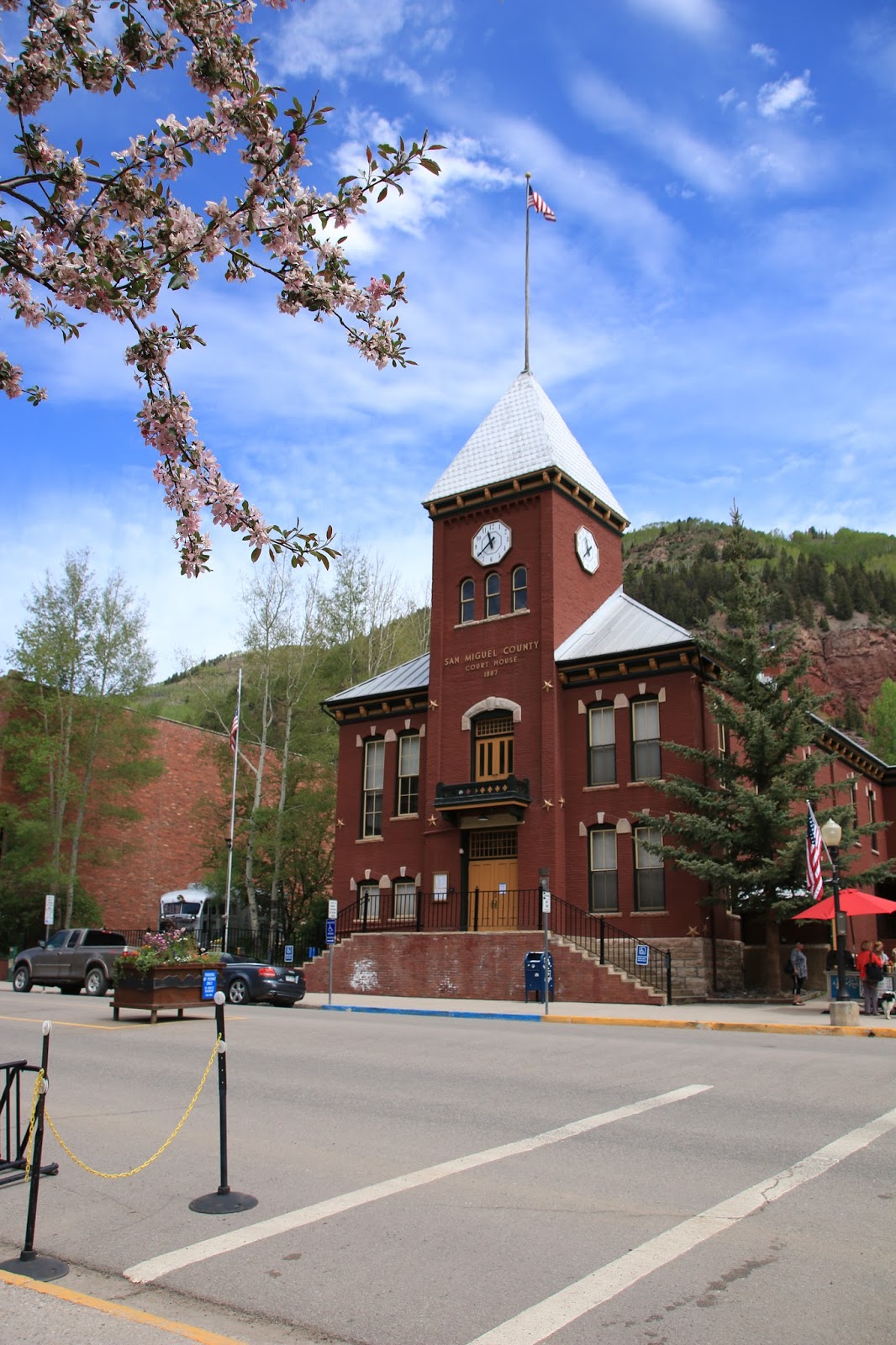
The iconic courthouse on Colorado Blvd. was built in 1897 and is still in use today. The first photo dates to 1910.
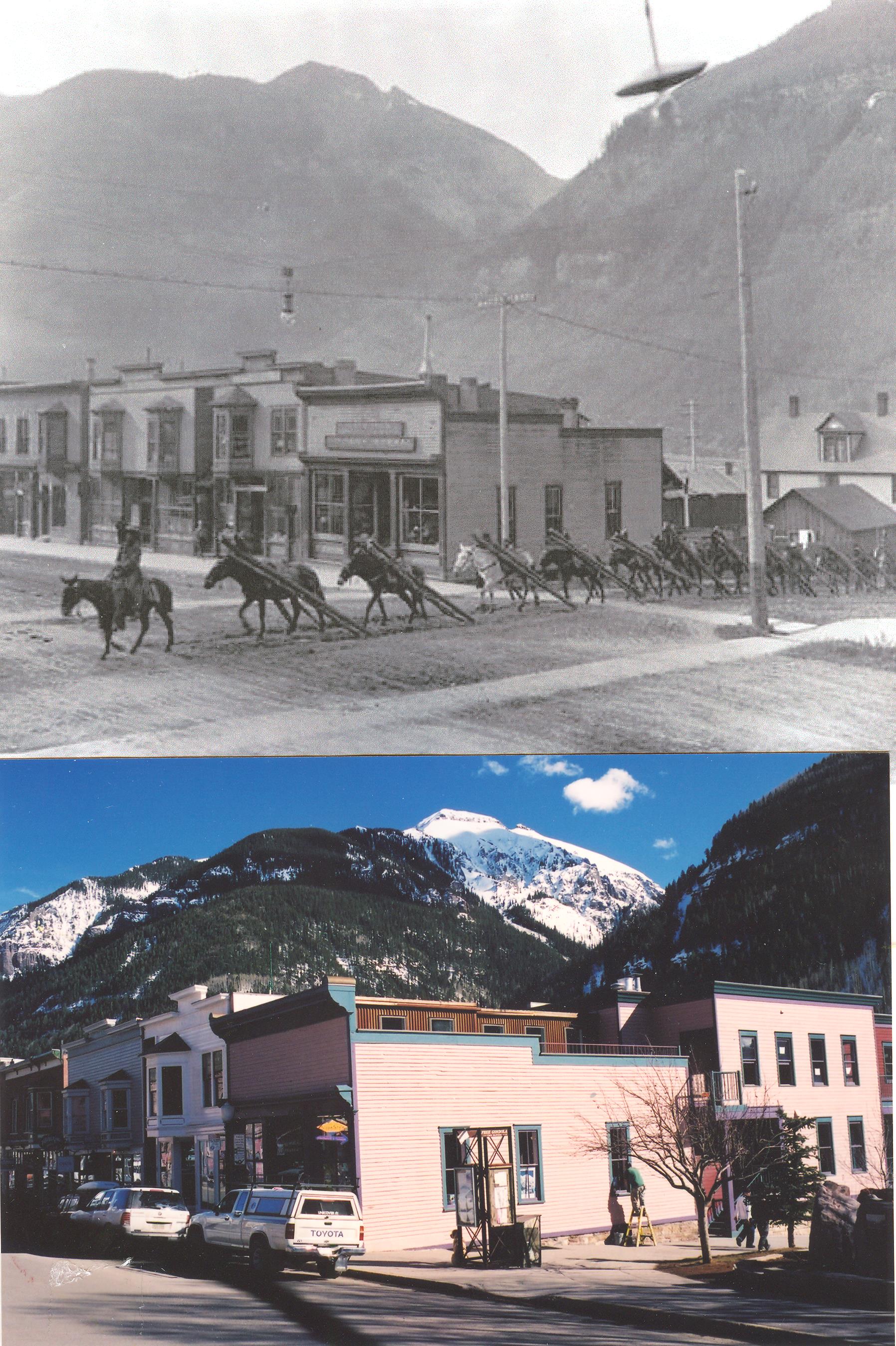
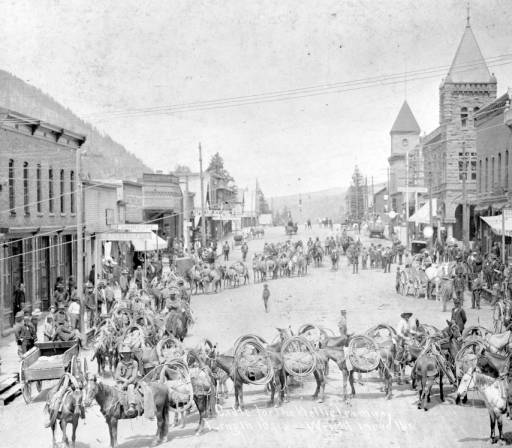
It was not uncommon to see lengthy mule trains in downtown Telluride while the mines were florishing. Here they are crossing Colorado Blvd. in 1909 (click to enlarge).
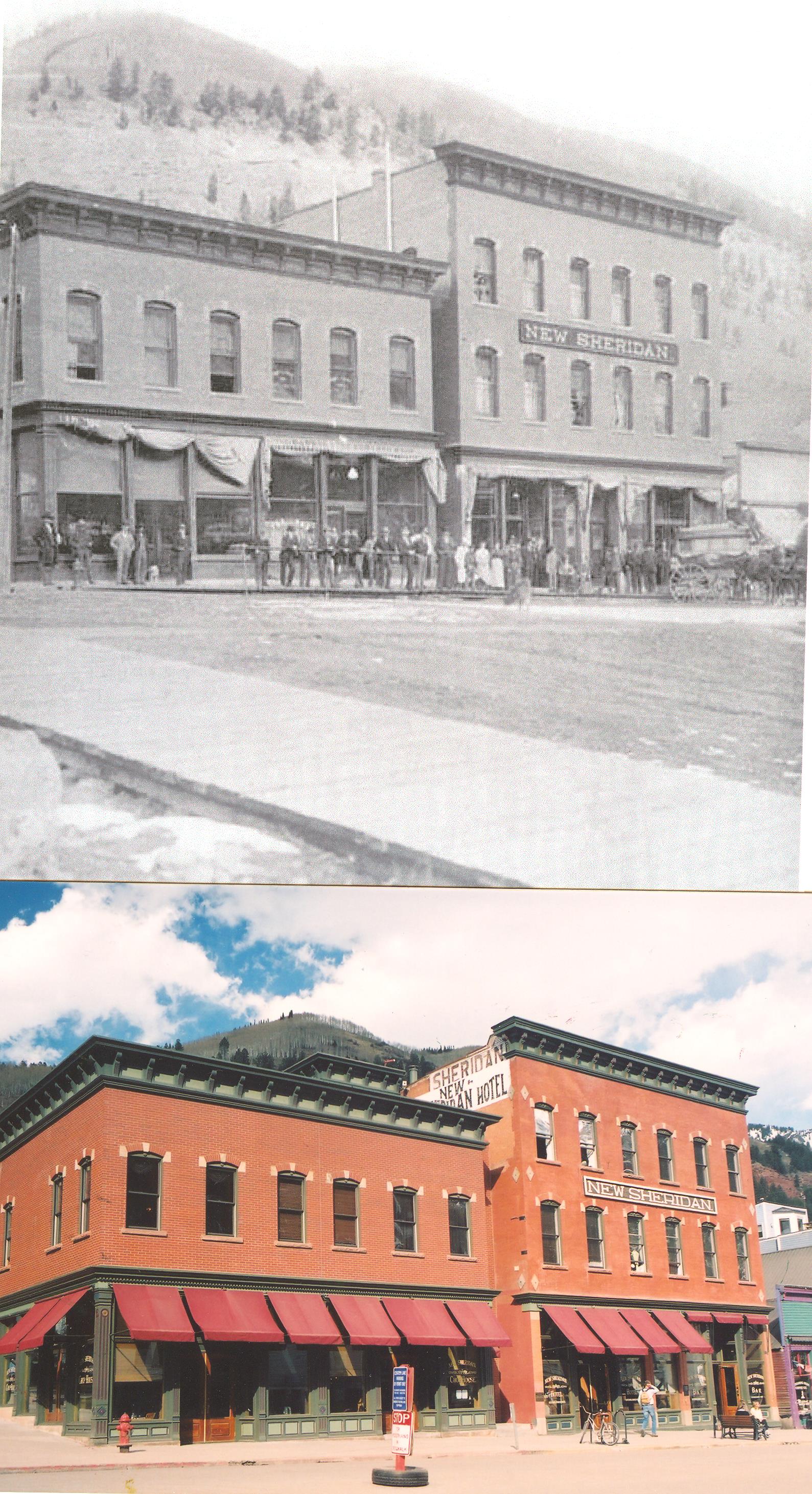
The anchor of Telluride was the Sheridan Hotel built in 1892. Five years later the new, three-story Sheridan was built next door. It was the site of William Jennings Bryan’s famous “Cross of Gold” speech on July 4, 1903. After that, in 1906, the original hotel burned and the lot was empty until the hotel was accurately reconstructed in 1994. The top photo dates to 1899.
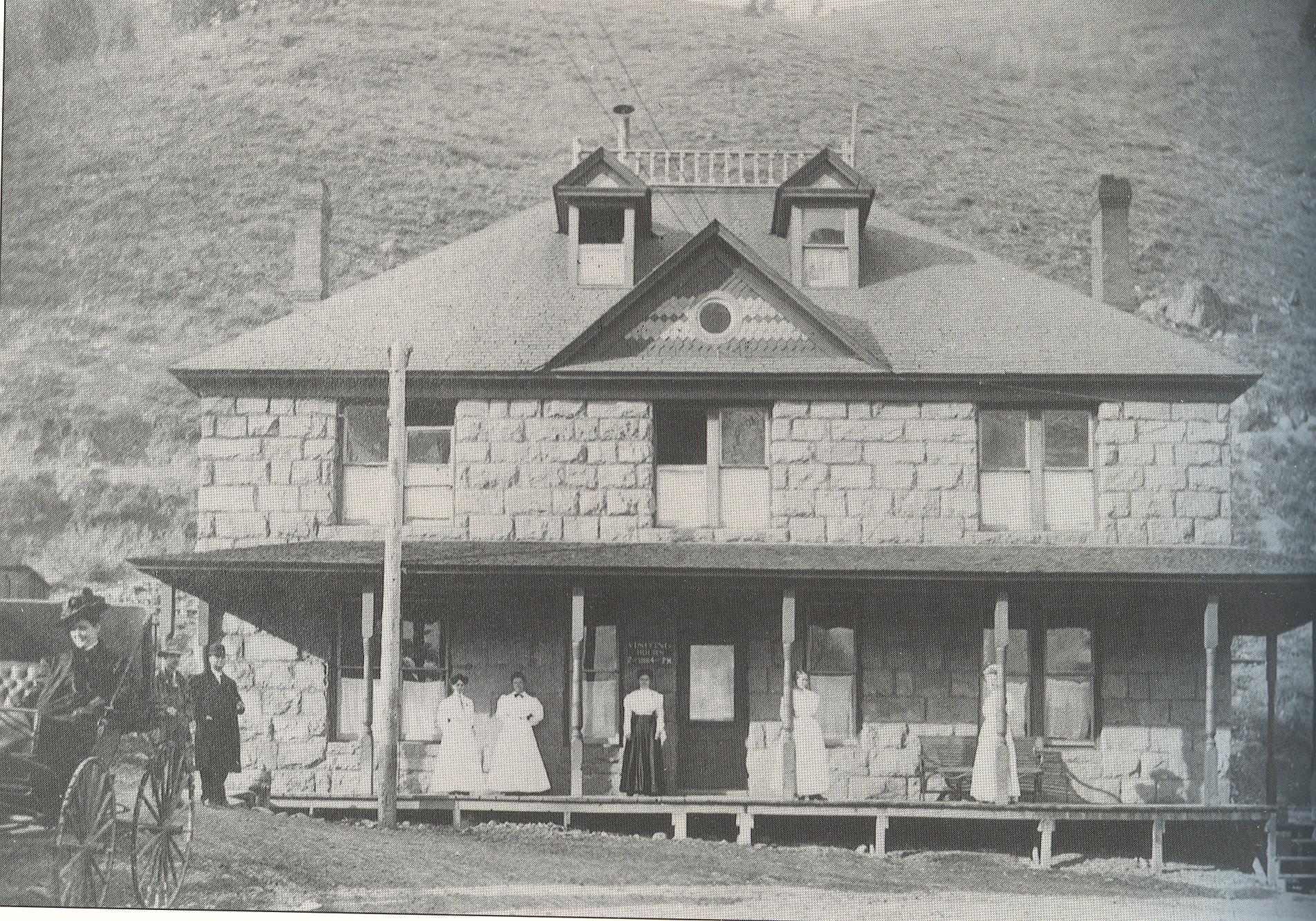
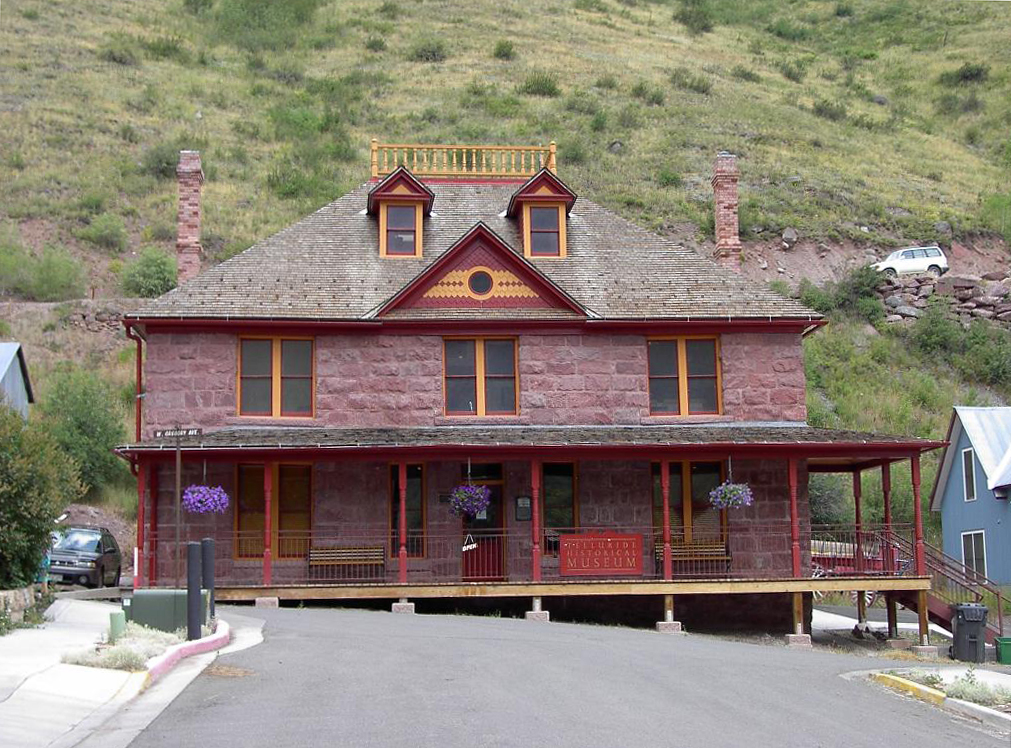
The Telluride Community Hospital, which was seen in the flood picture in last month’s post, was filled to overflowing during the worldwide flu pandemic of 1918. One in ten Telluride citizens died. Today the building looks remarkably as it did then and now houses the Telluride Museum.
Telluride Colorado is the best ski town with the best skiing and the best self-guided “then and now” tour anywhere. It has so many well preserved sites that it will take three months to tell the whole story. Not surprisingly, the core district was designated a National Historical Landmark in 1964. It also boasts the second-oldest alternating-current power generating plant in the world (1895) The oldest is eight miles away in Ophir.
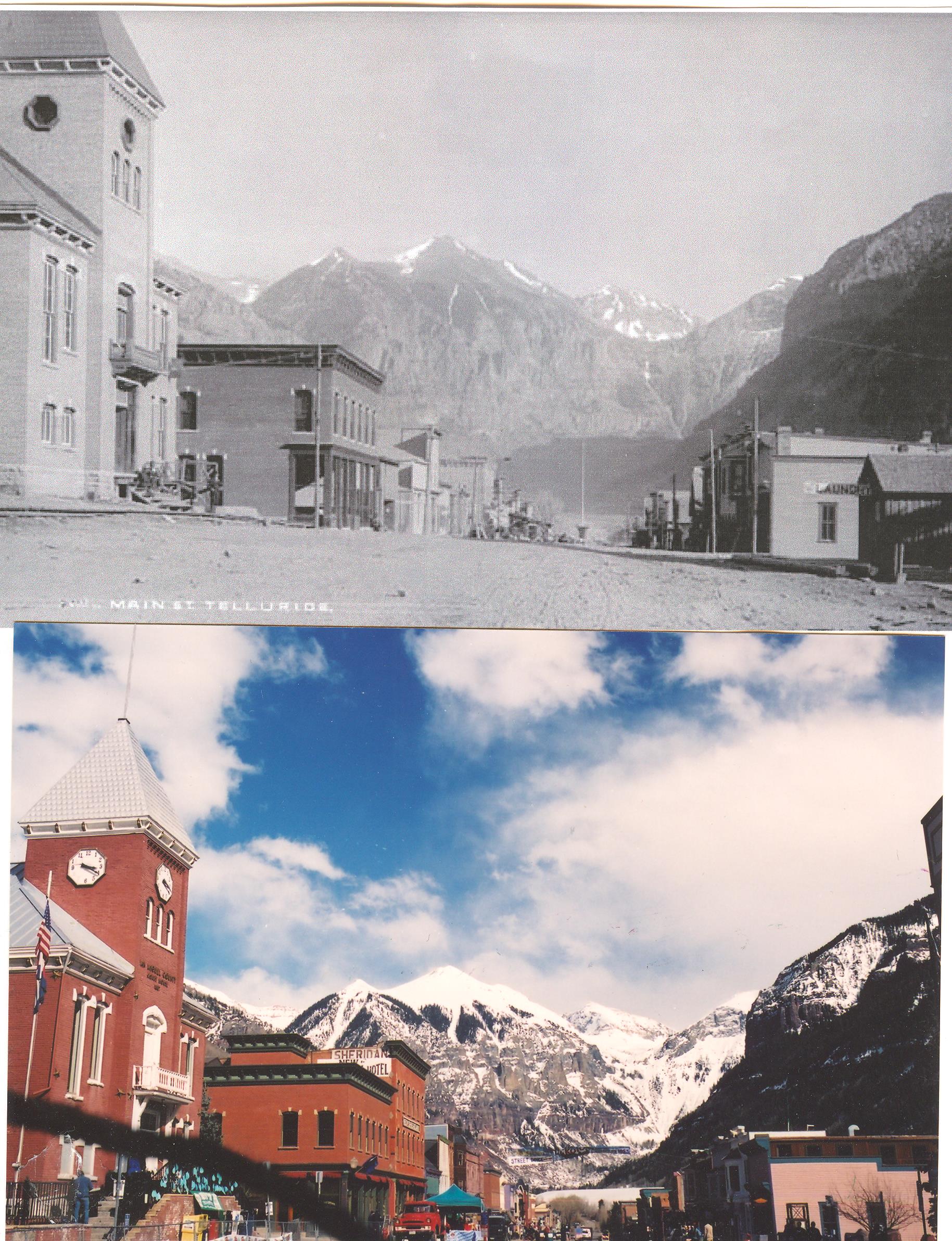
Telluride’s main street is Colorado Blvd. and is seen here in a photo taken in 1892.
Telluride was founded because of large gold strikes in the surrounding mountains. Getting miners and equipment up to the mines was a challenge. In this 1897 photo we see 52 mules carrying 10,000 continuous feet of cable for a mine tramway. The cable weighed 17,000 pounds. (Click to enlarge)
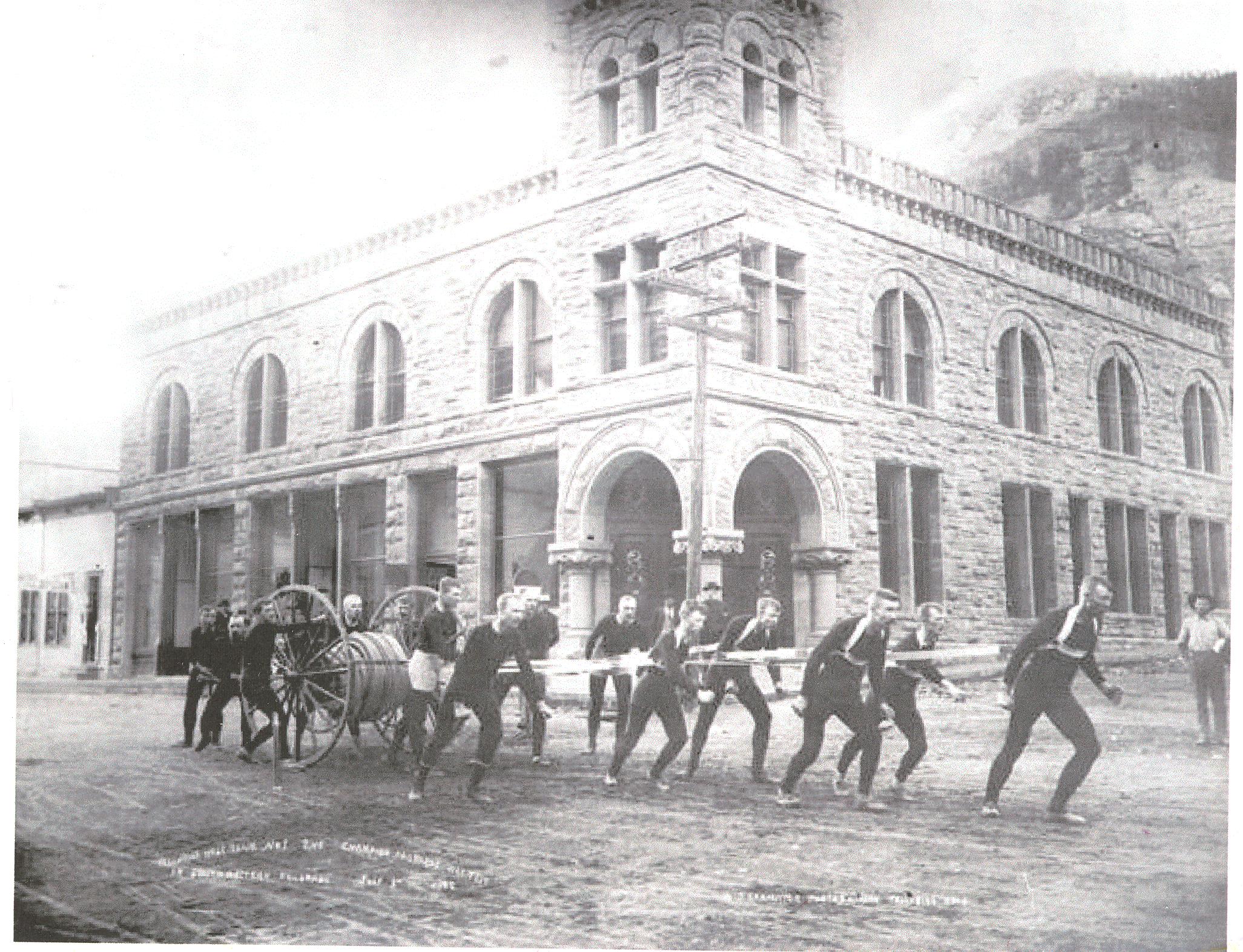
Hose company races were a big pastime as seen in this July 4, 1909 photo.
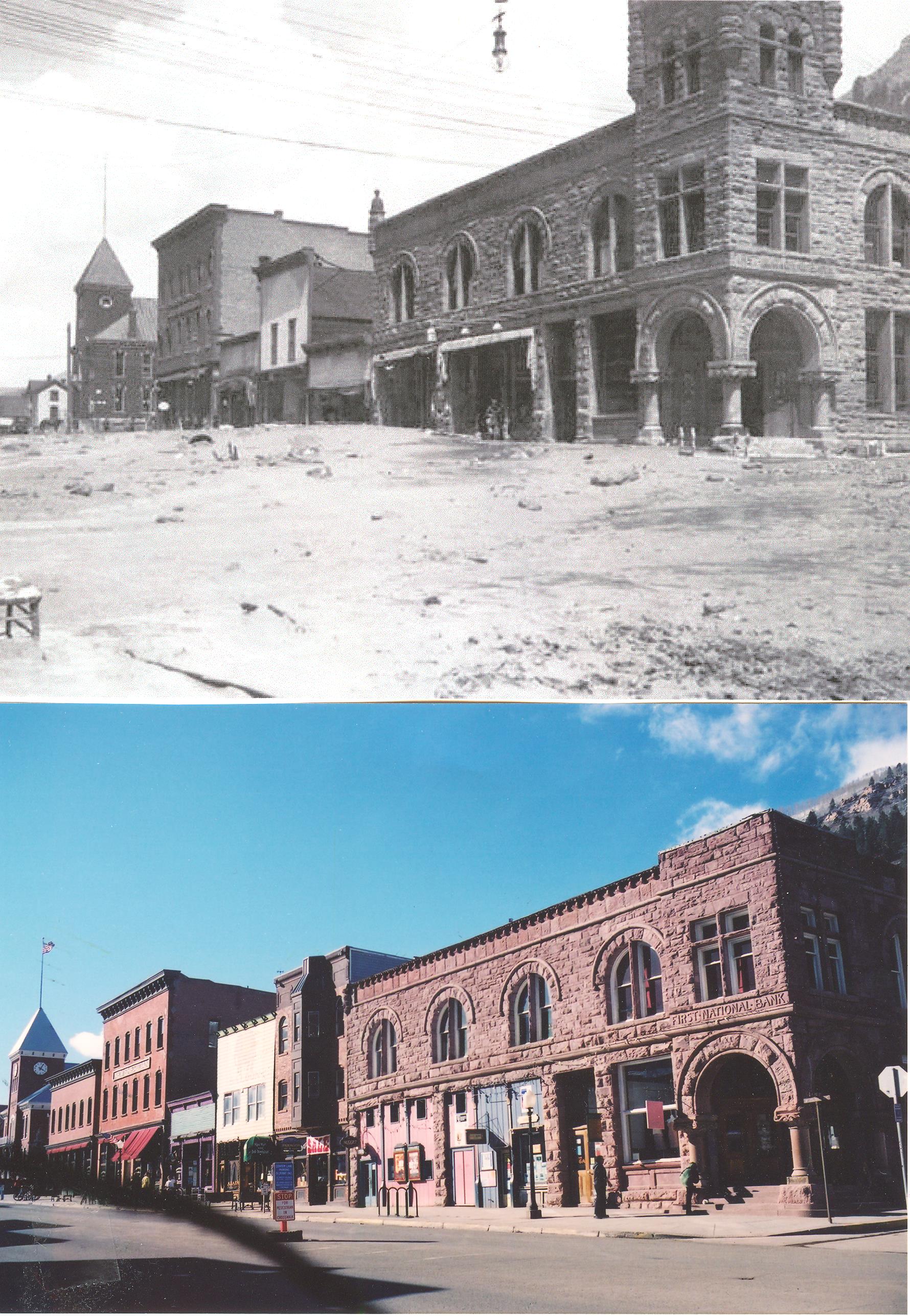
In 1914, Cornet Creek just north of town flooded and deposited as much as eight feet of mud inside stores. In an ultimate irony, the First National Bank seen in both photos had been constructed using mud from the same creek!
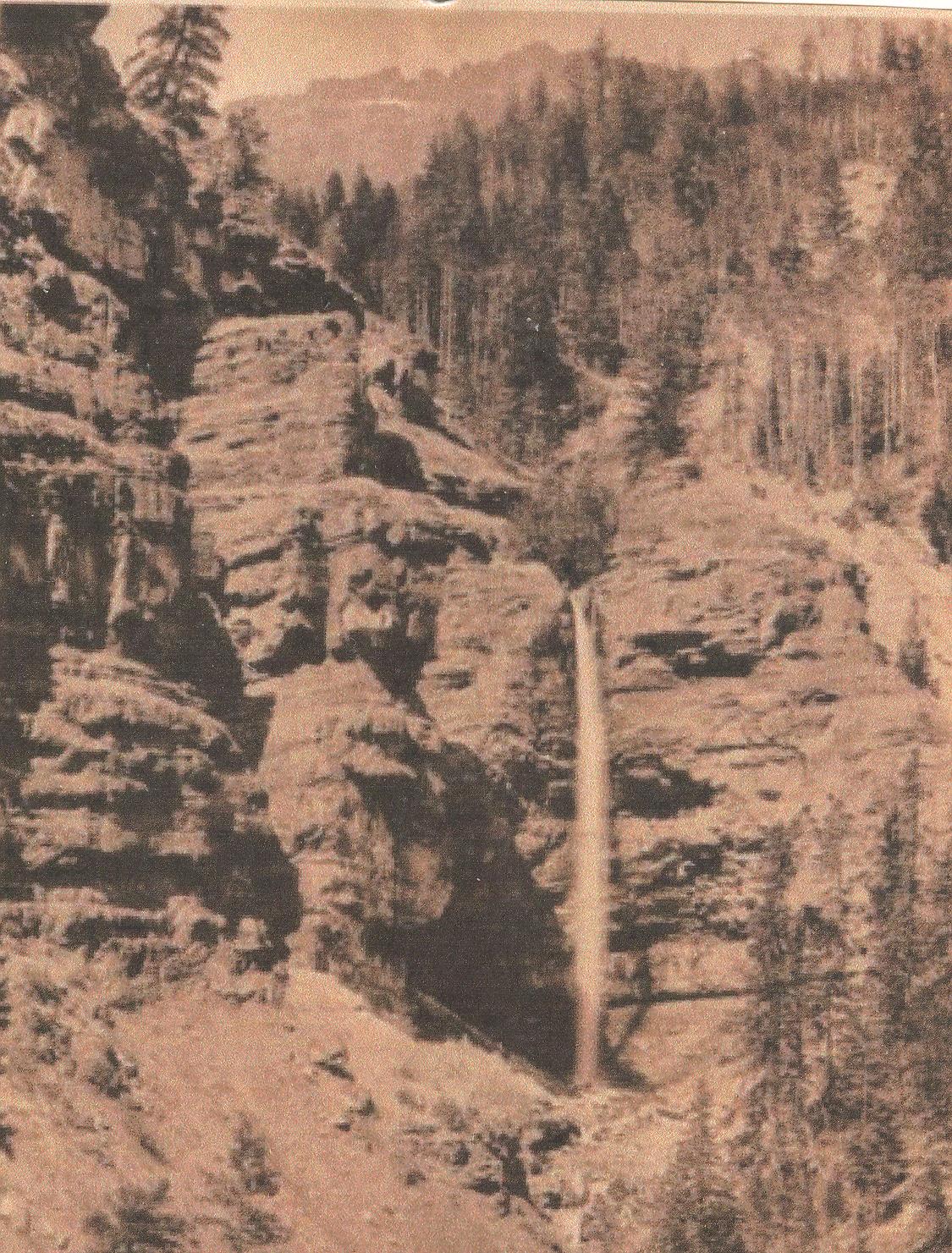
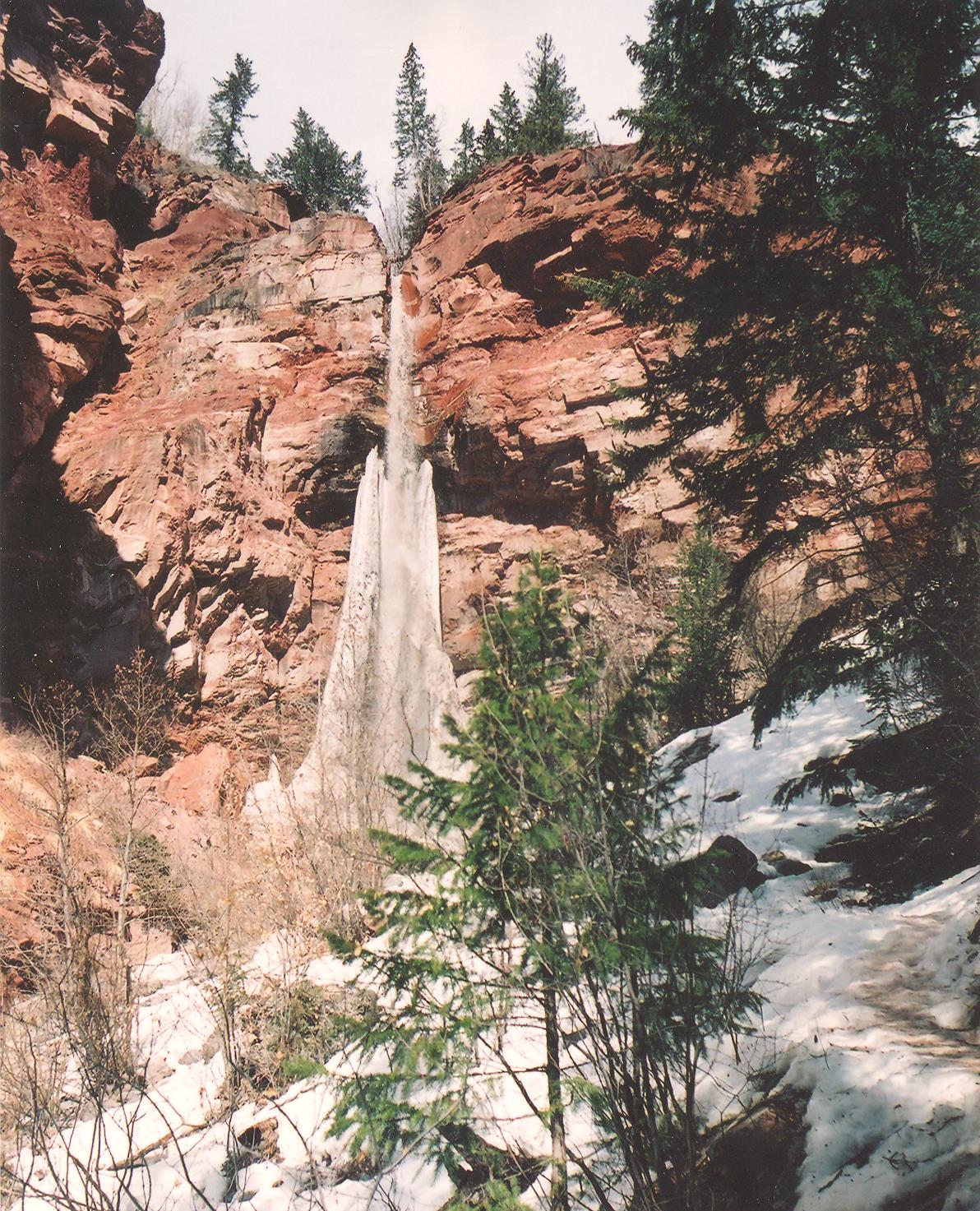
Cornet Creek falls off a cliff forming a beautiful waterfall as seen in this 1907 photo. A strenuous hike is worth it for the view.
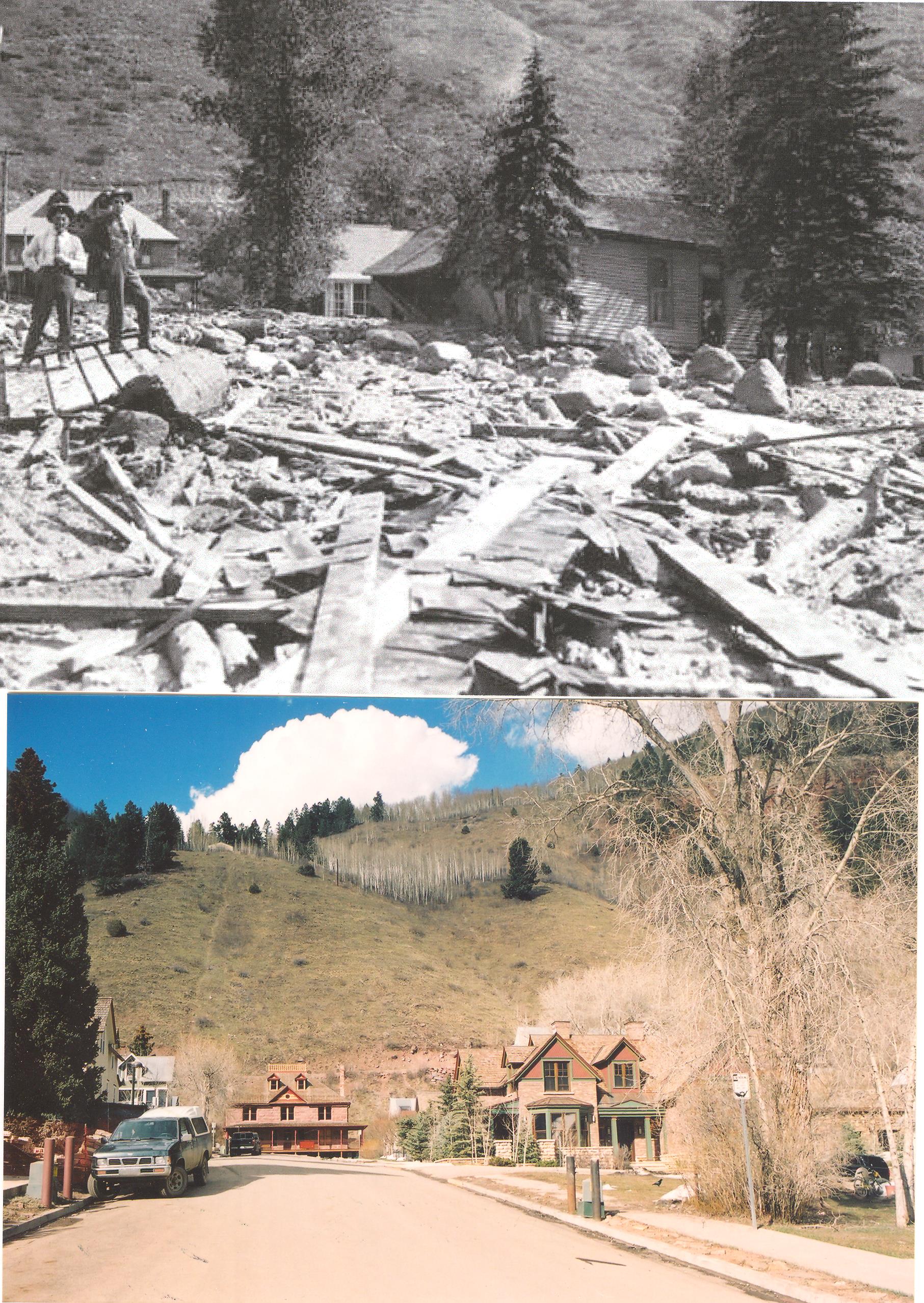
Here is another view of the flood damage from 1914 with the Community Hospital (now Telluride Museum) in the background.