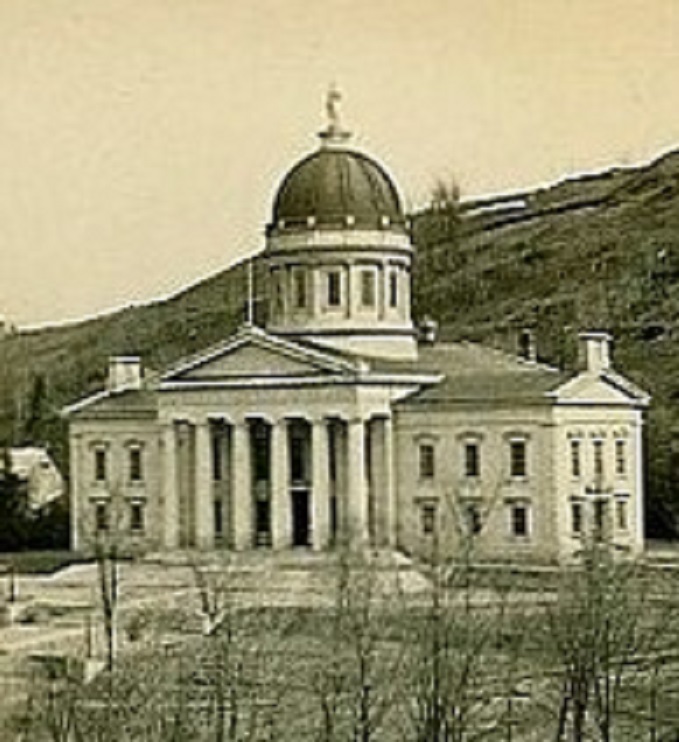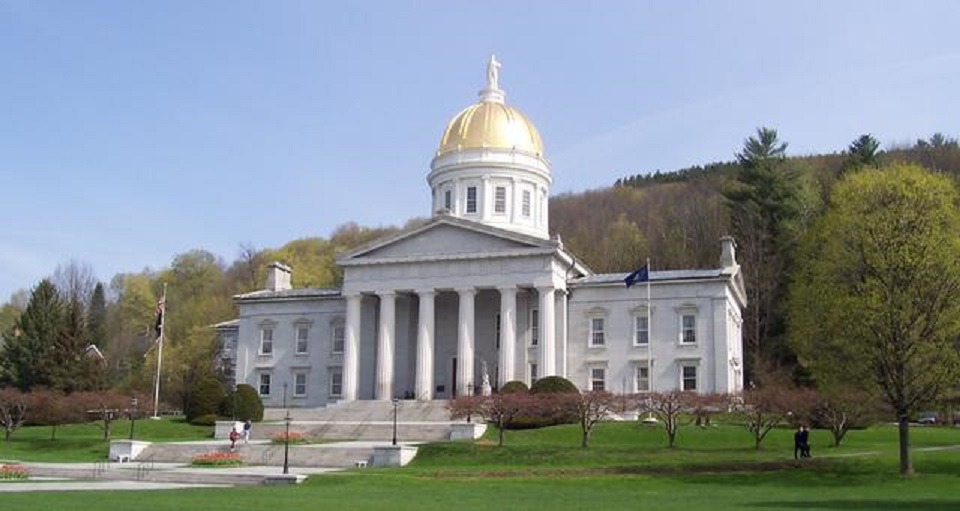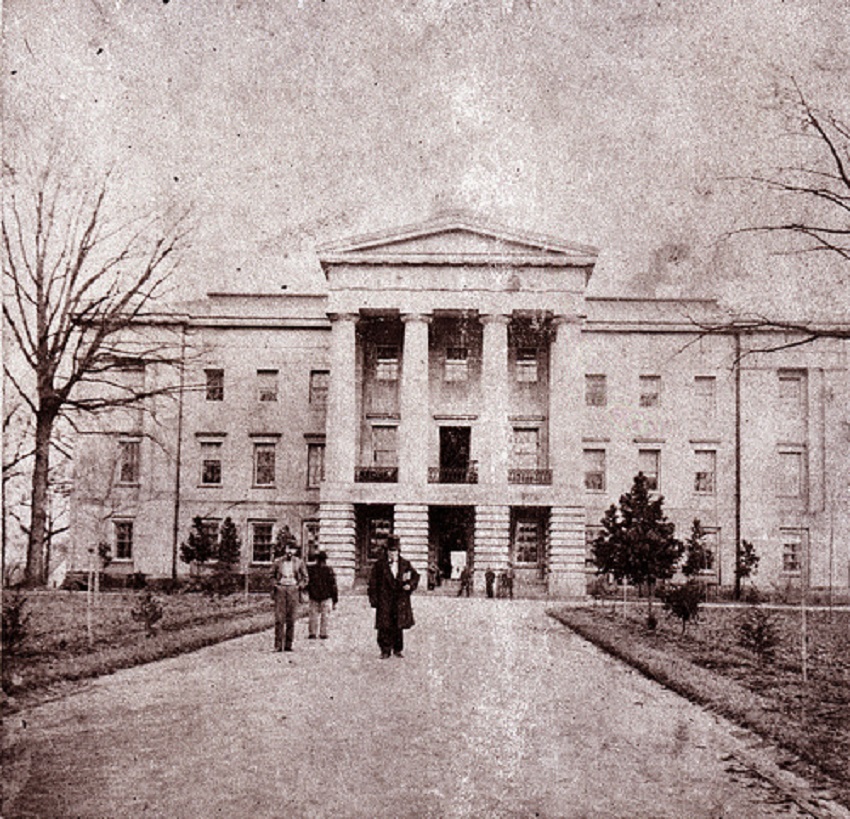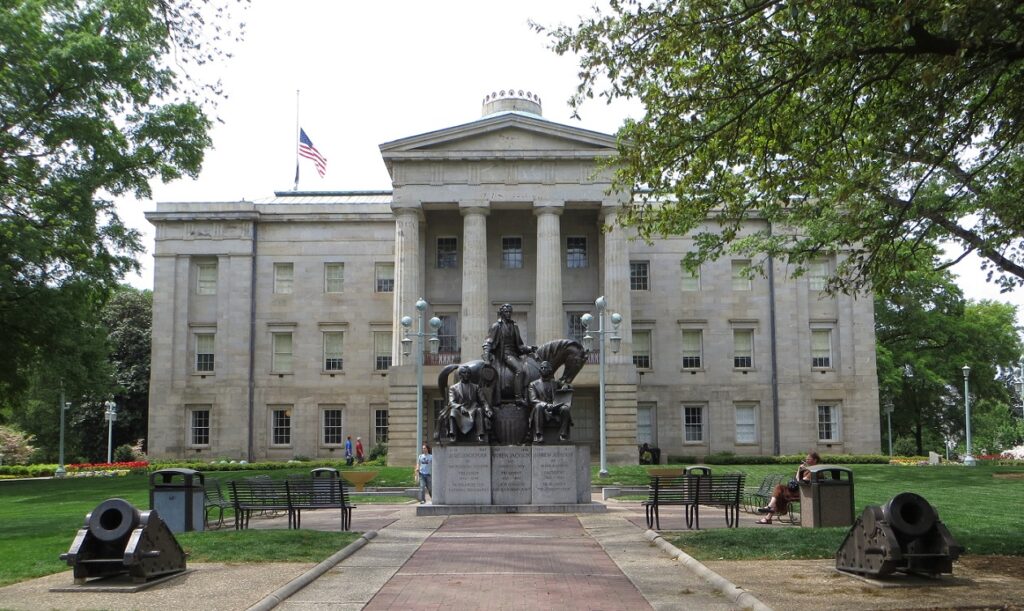
Charleston SC-Public Buildings

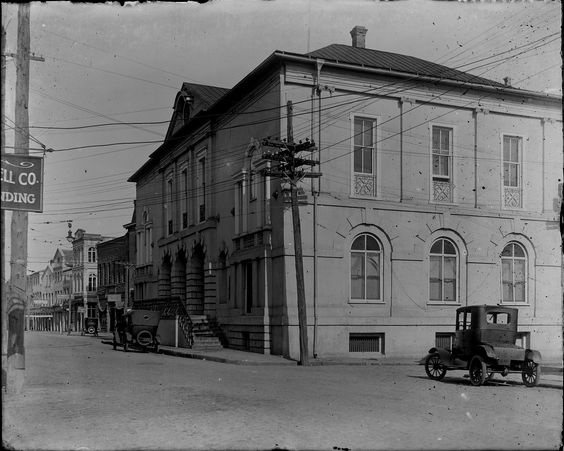
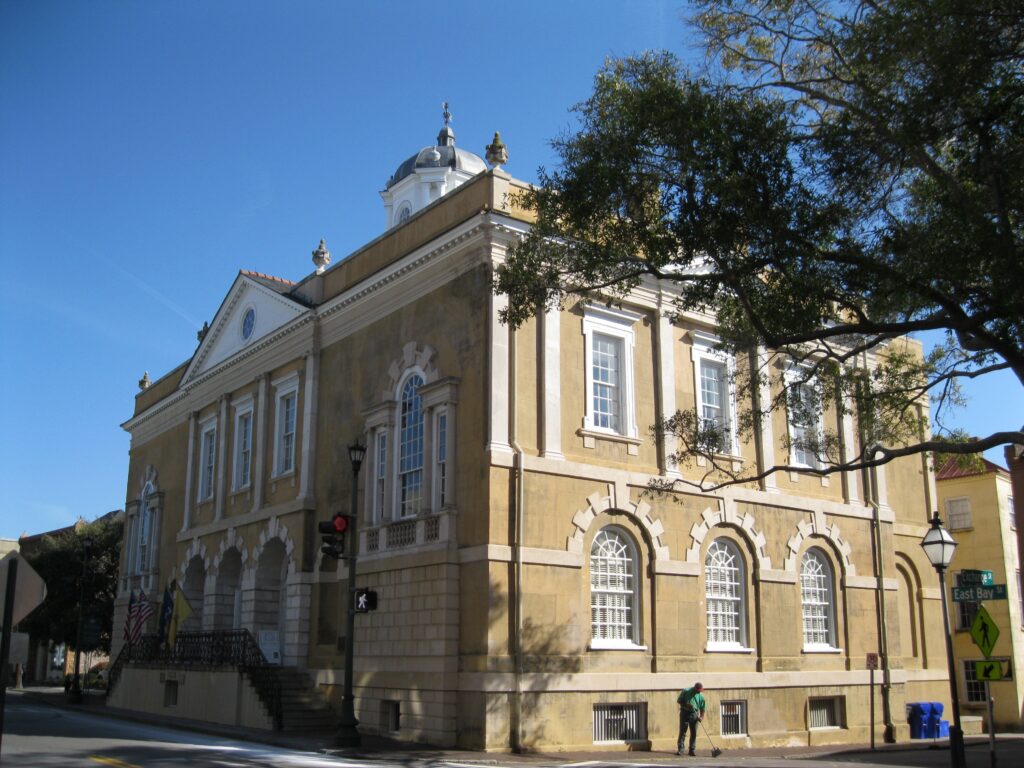
Old Exchange

The Old Exchange, located at 122 E Bay, was built in 1771. It was originally owned by the British government and operated as a jail during the Revolution. The building was the site where South Carolina approved the U.S. Constitution. It is now a museum operated by the Daughters of the American Revolution. The first photo is dated ca. 1920.

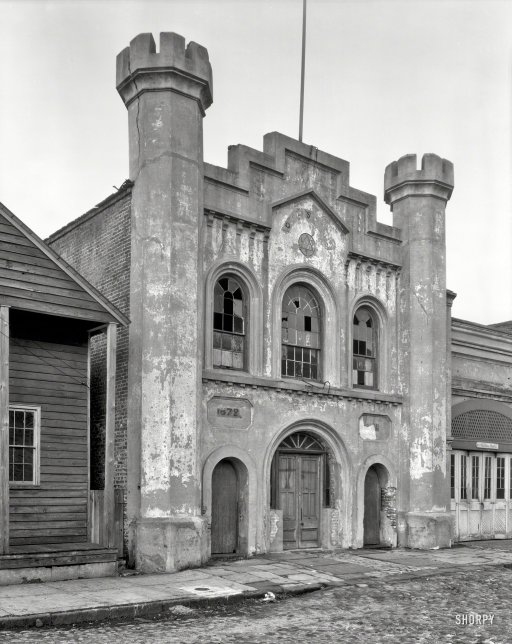
The German Fire Steam Engine Co.

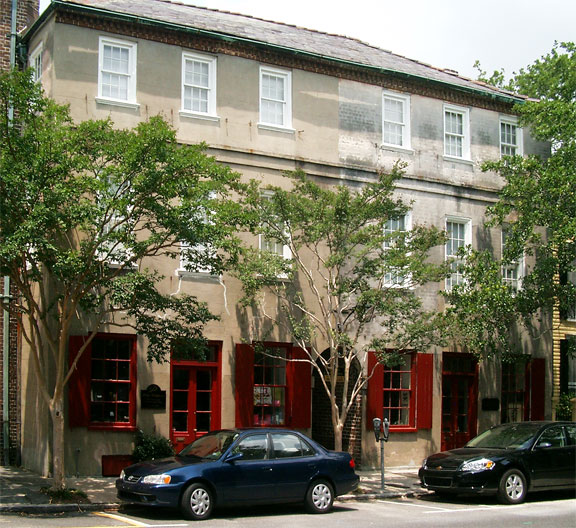
This building is located at 8 Chalmers. It was built in 1851 and was one of the many private fire companies in Charleston before the city created its own. It became an armory in 1888, which lasted until 1907. Current occupancy is law offices. The first photo is dated 1937.

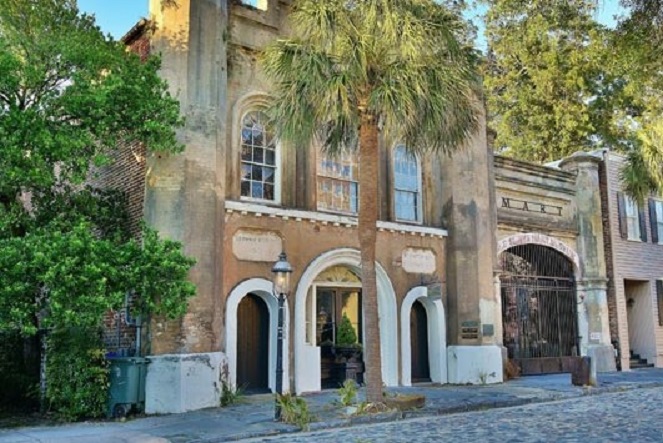
Cabbage Row

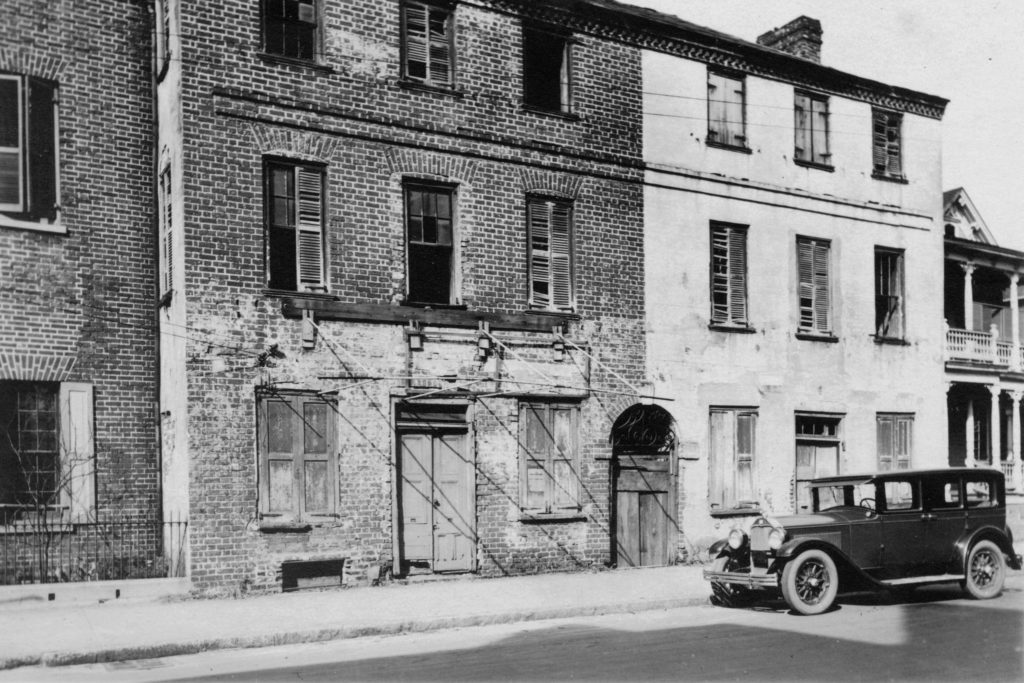
This pre-Revolution building is located at 89 and 91 Church. In 1925 the name was changed to Catfish Row for the novel Porgy, which later inspired George Gershwin to write Porgy and Bess. The building is now a gift shop and antiques store. The first photo is dated 1928.

Dock Street Theater

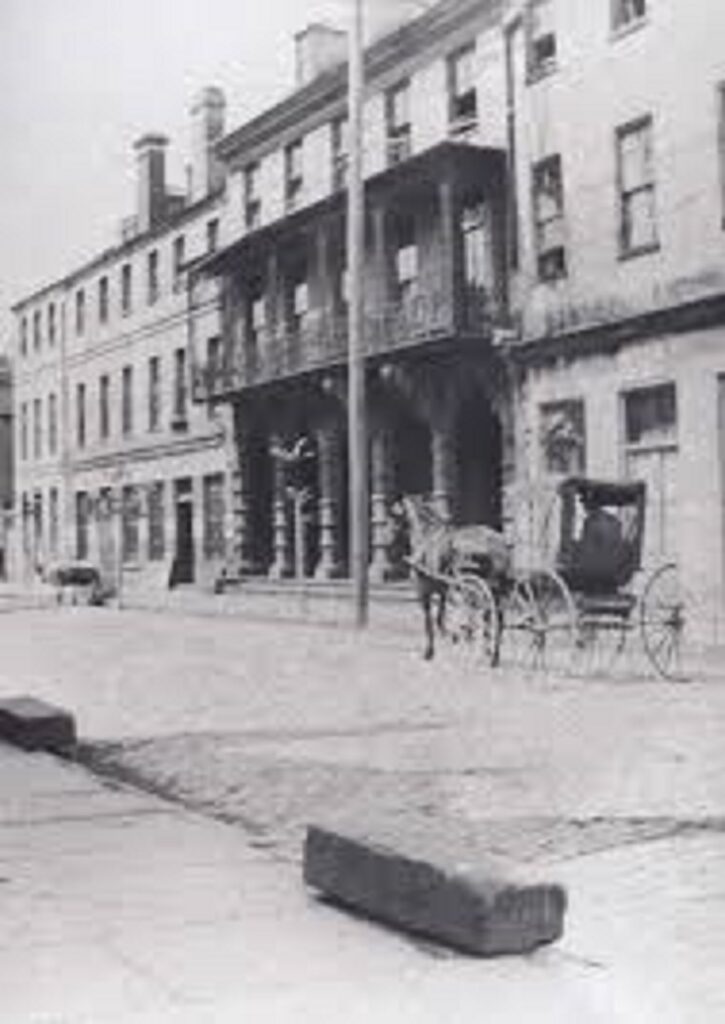
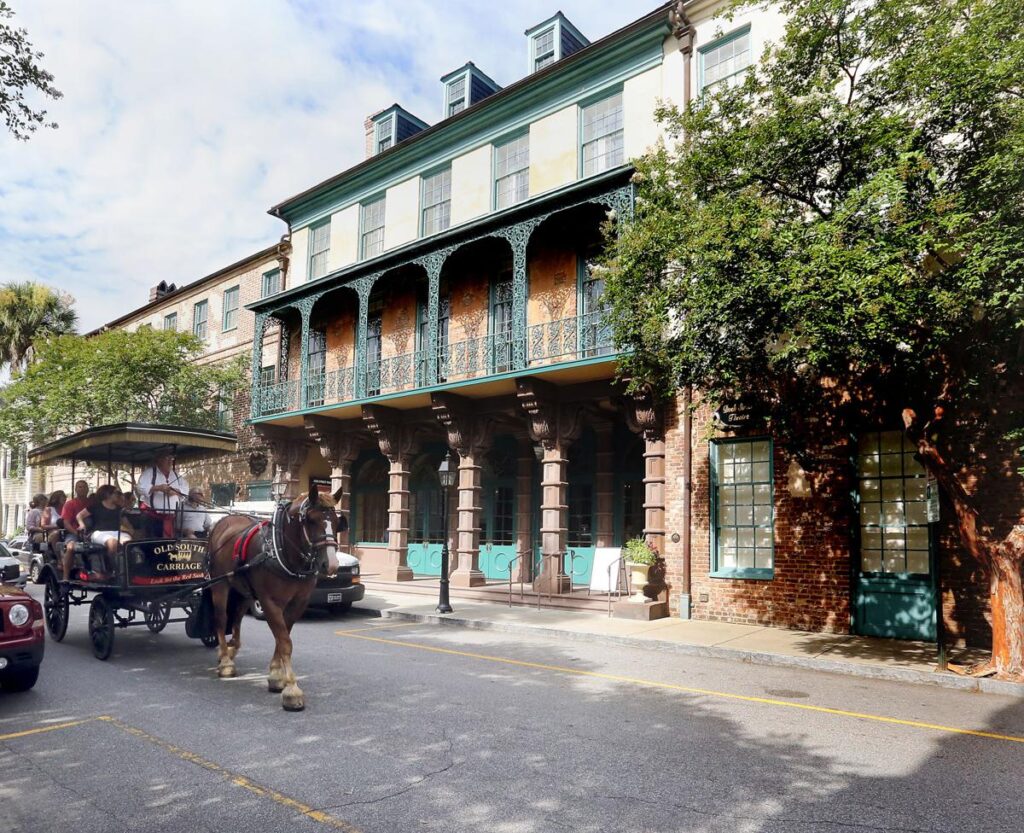
The Dock Street Theater building is located at 135 Church. It was built in 1809 as the Planters Hotel, then converted to a theater in 1935. A nineteen-million-dollar renovation was completed in 2010. The first photo is from the early 1900s.

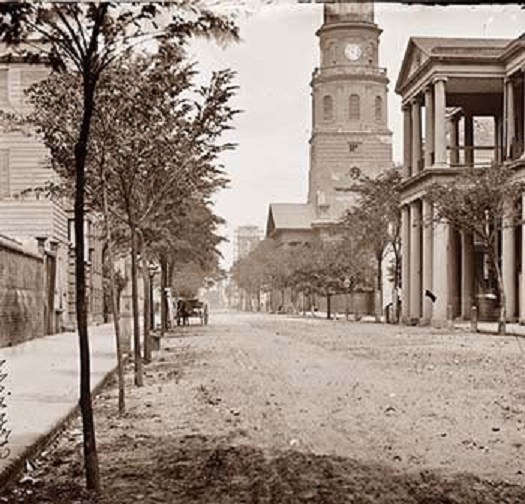
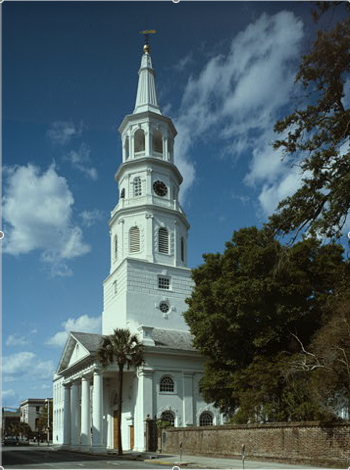
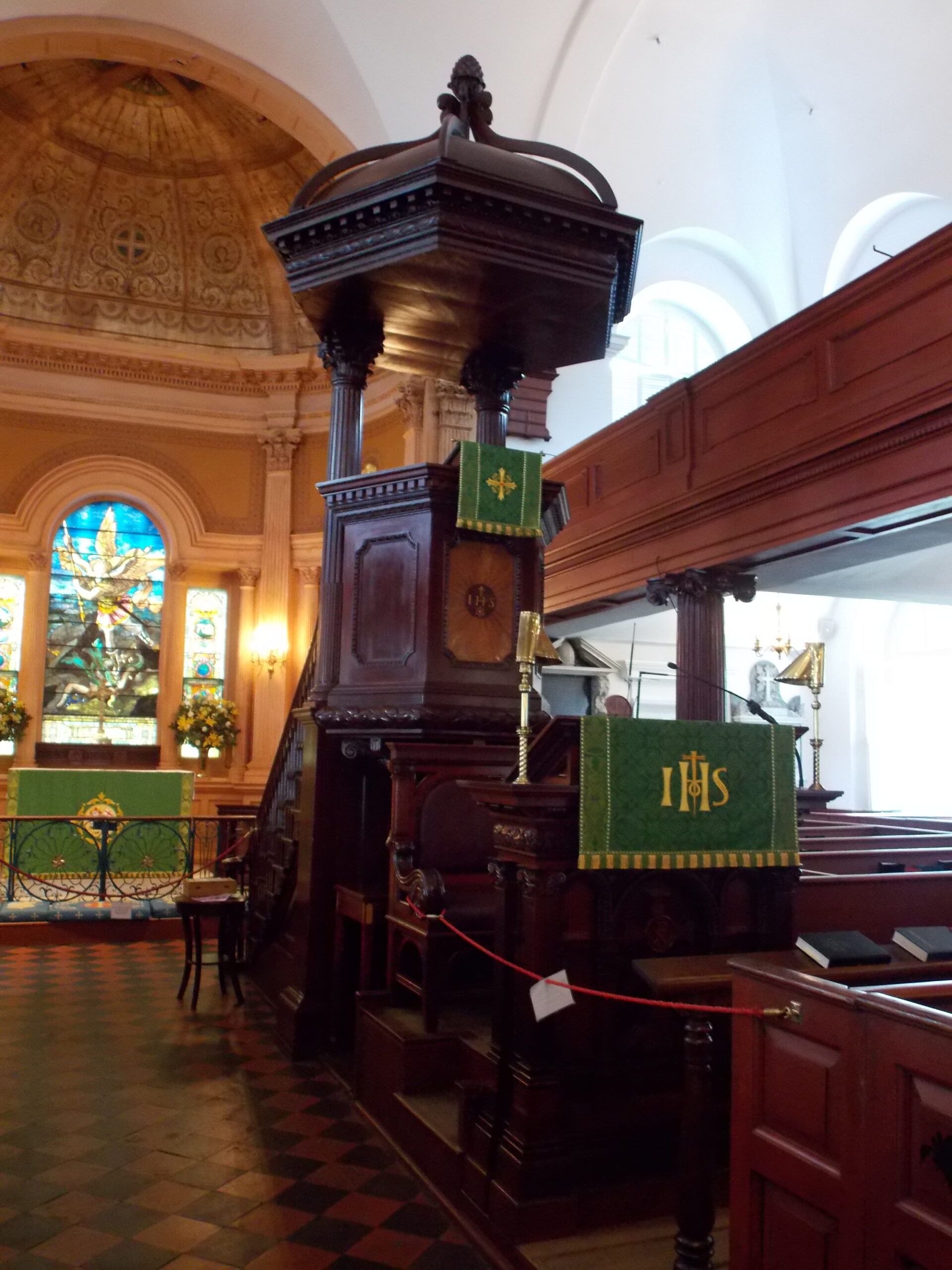
St Michael’s Church

St. Michael’s Church is located at 71 Broad. It was built during the 1750s and opened in 1761. It still has the original pulpit as well as the oldest functioning colonial tower clock in the U.S. George Washington would have seen the pulpit when he sat in pew 41 in 1791. The first photo is dated 1865.

Categories: Uncategorized | Leave a comment

Charleston SC–Homes

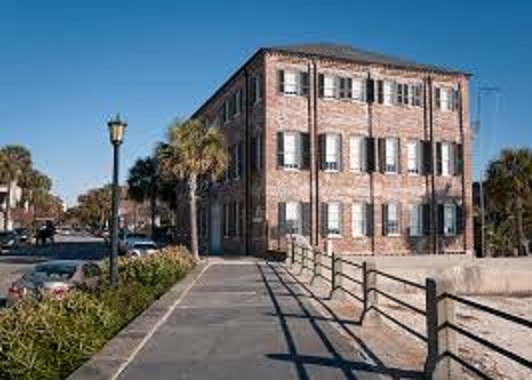
Charleston SC was founded in 1670 and encountered numerous catastrophes thereafter. Most notable were The Civil War, the earthquake of 1886, and Hurricane Hugo in 1989, which damaged or destroyed 2,000 buildings. Yet, in spite of all that, much remains to enjoy. While next month will show public buildings, this month emphasizes the many historic homes that remain.

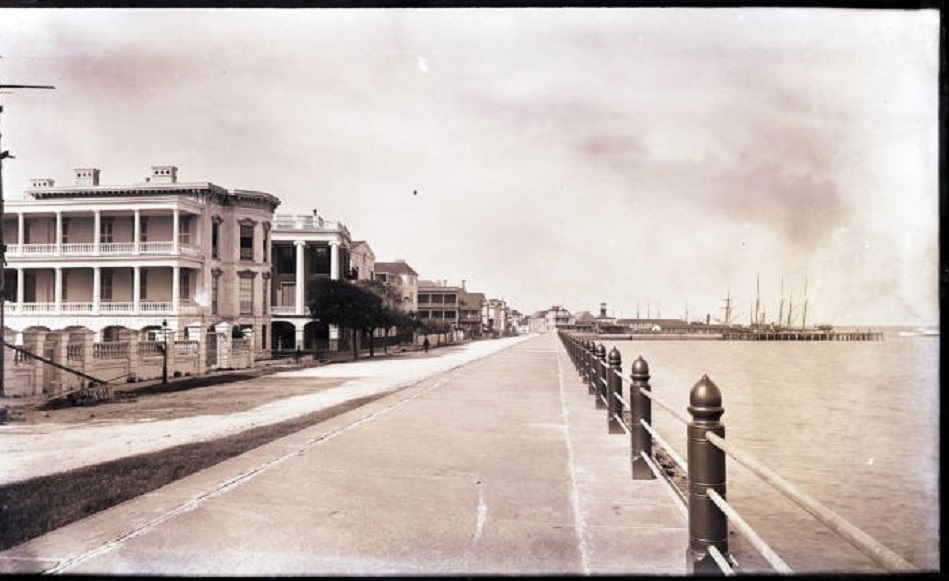
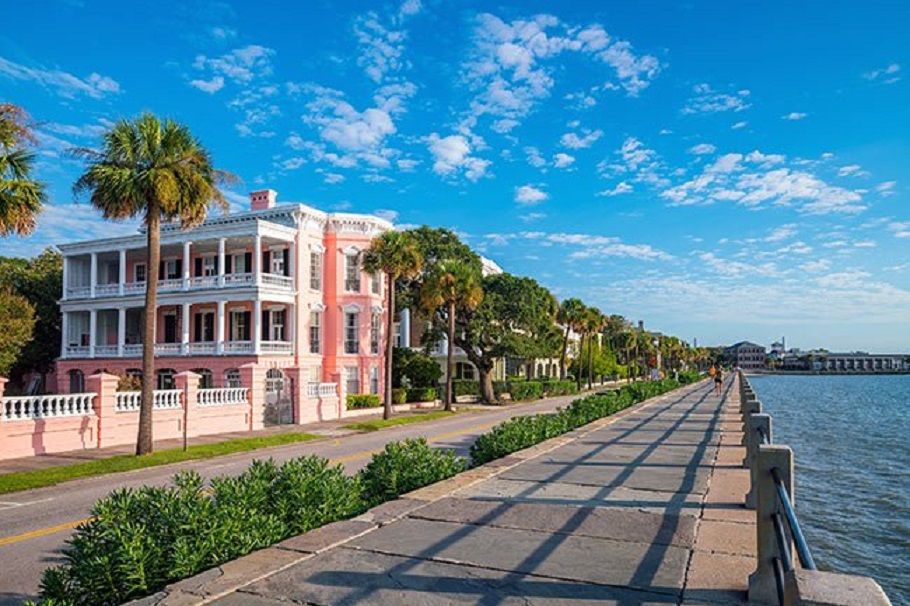
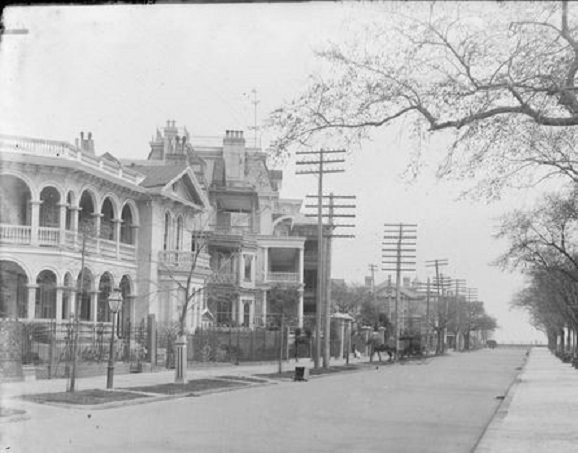
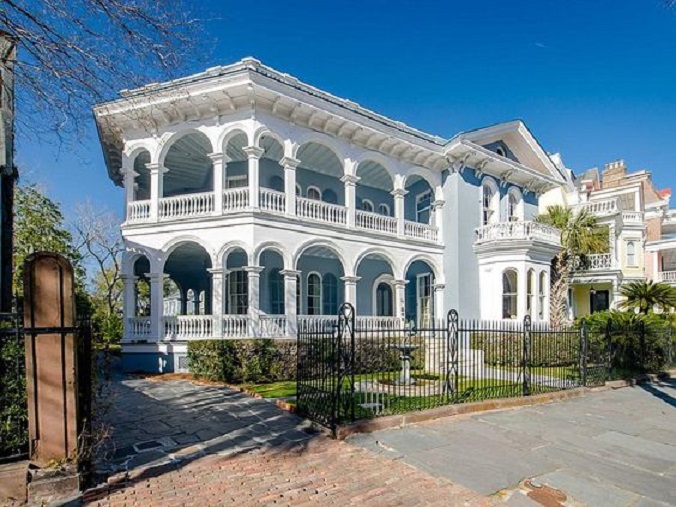
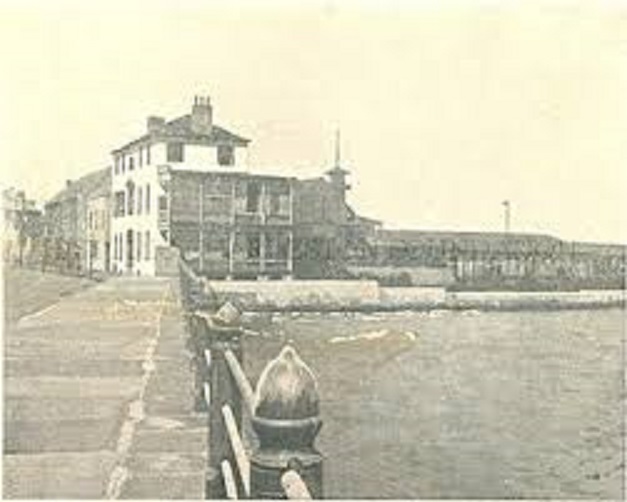
The Battery

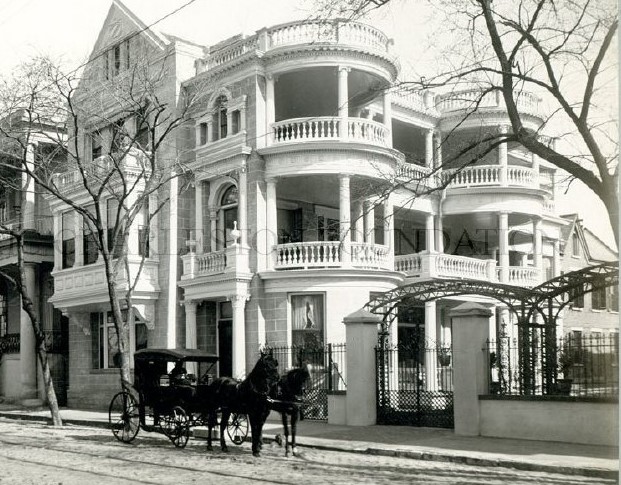
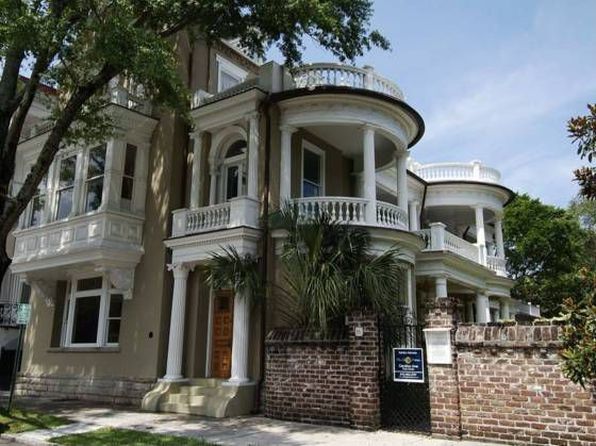
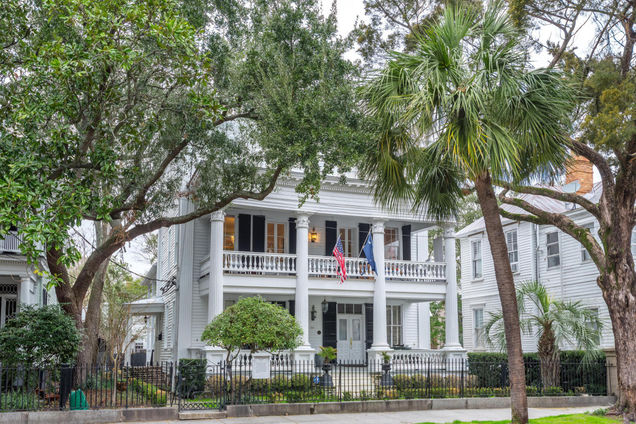
The Battery is a fortified seawall built in 1820. It is the location of some of the finest homes Charleston has to offer. The first photo is dated 1909. The second is courtesy of Marshall Walker Real Estate’s listing for 5 East Battery.
26 S. Battery. The Col. John Algernon Sydney Ashe House built in ca.1853. First photo is dated 1880.

40 E Battery. Missroon House built in 1808. It now houses the Historic Charleston Foundation. First photo is dated ca.1909.
68 Meeting St. John Cordes Prioleau House. Built ca.1810. First photo is dated 1890s.
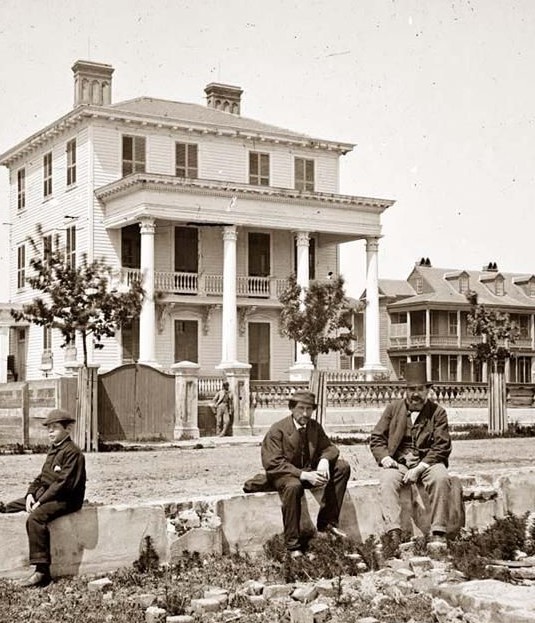
180 Broad St. The Cooper-O’Connor House. Built ca.1855. First photo is dated 1865.

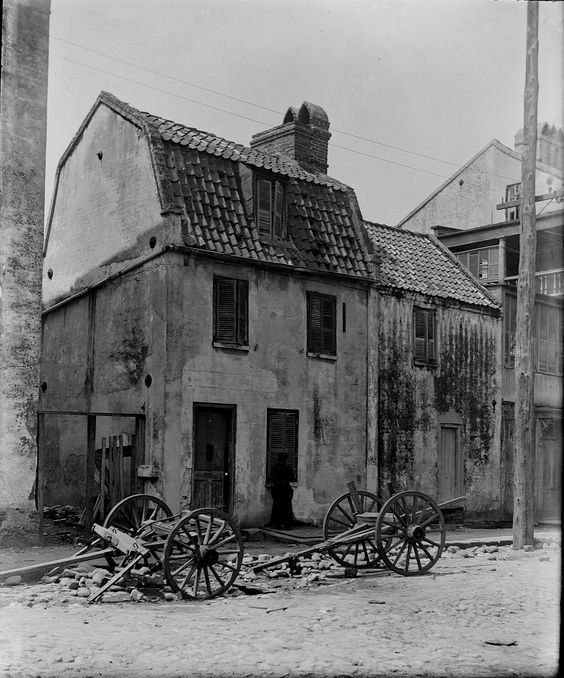
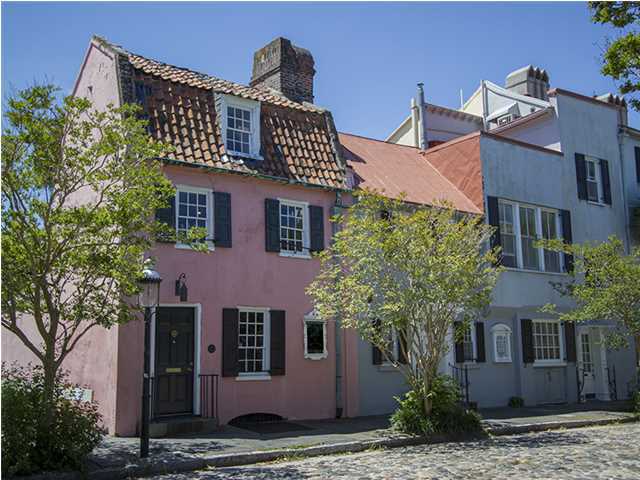
17 Chalmers. Known as the Pink House. Built between 1694 and 1712 of Bermuda stone. The second oldest building in Charleston is now an art gallery. The first photo is dated 1880.

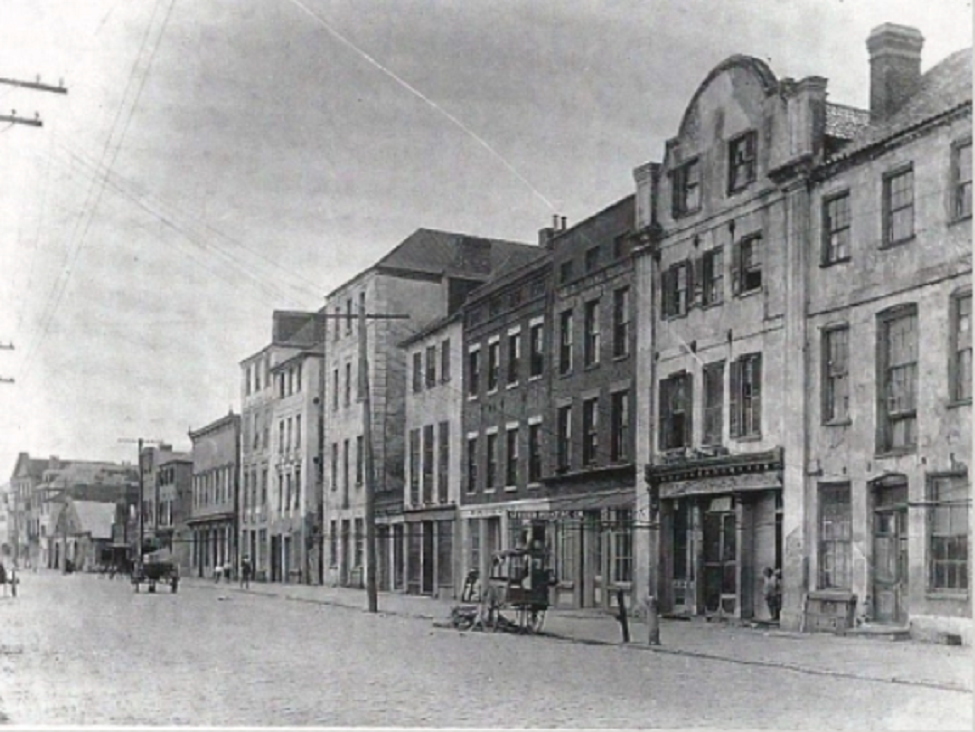
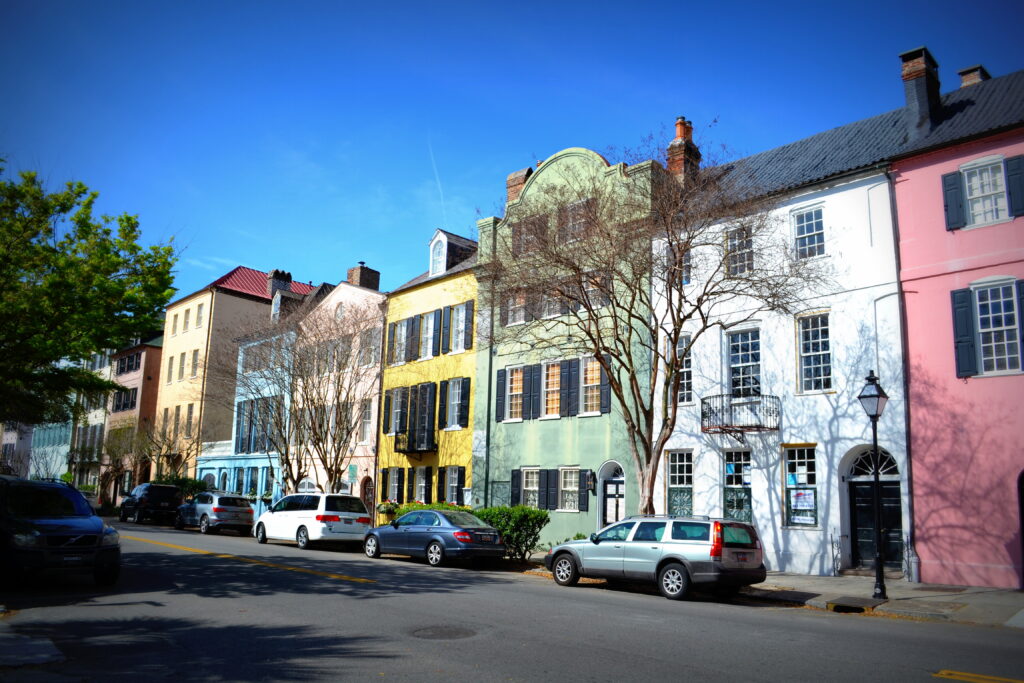
Rainbow Row. Thirteen colorful houses comprising the largest group of Georgian row houses in the U.S. The first photo is dated 1910.

Categories: Uncategorized | Leave a comment

Ezra Meeker and the Oregon Trail

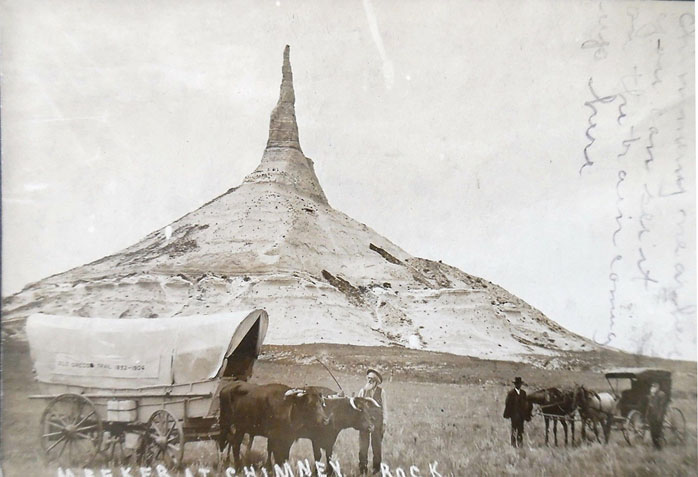
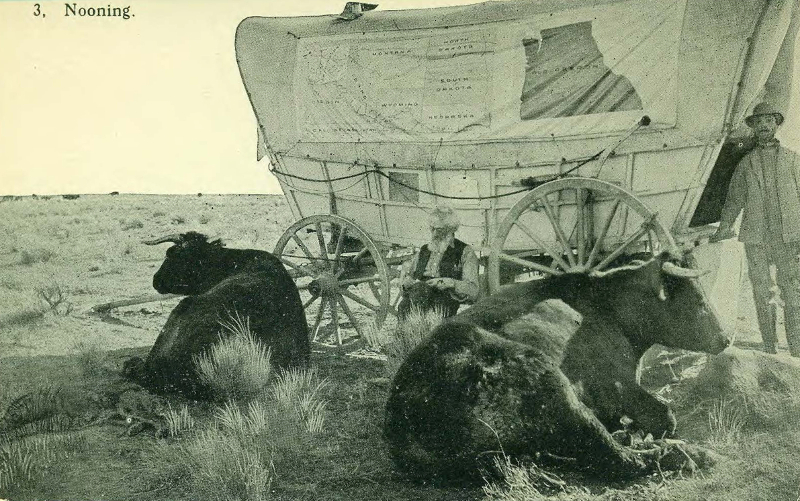
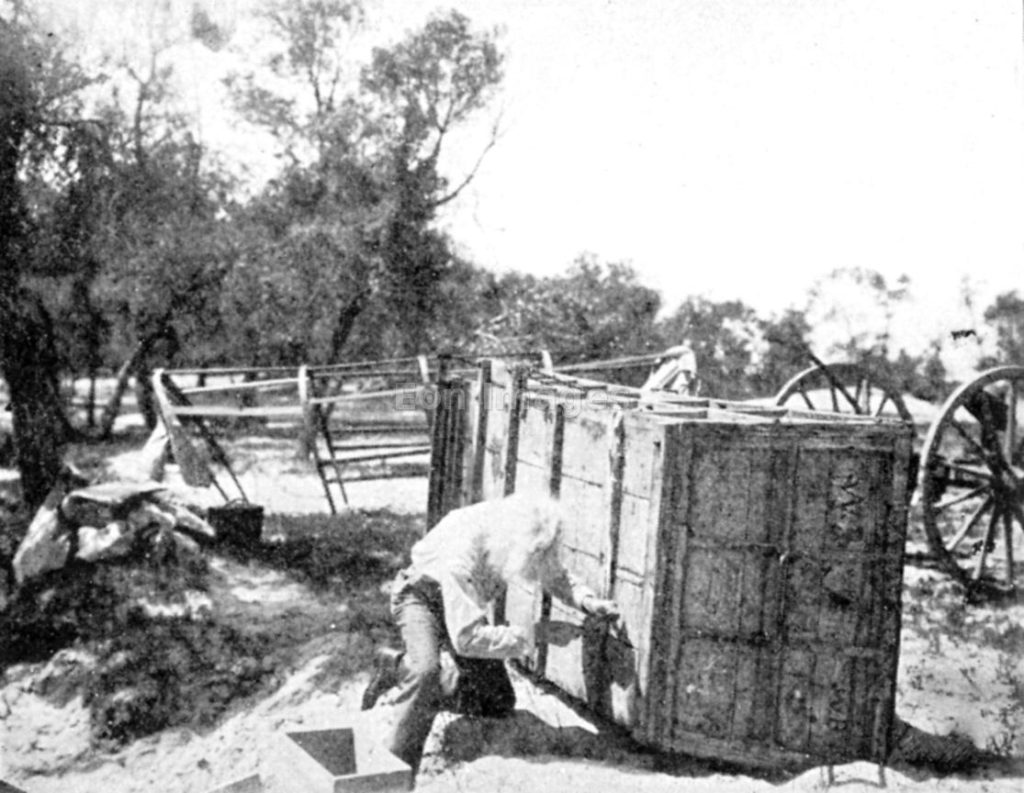
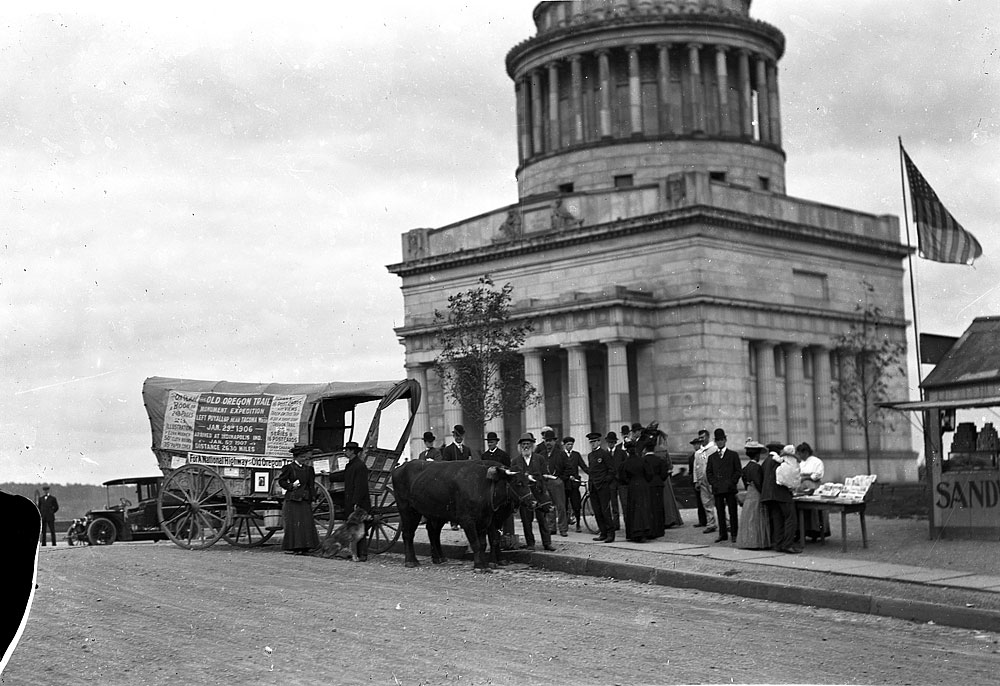
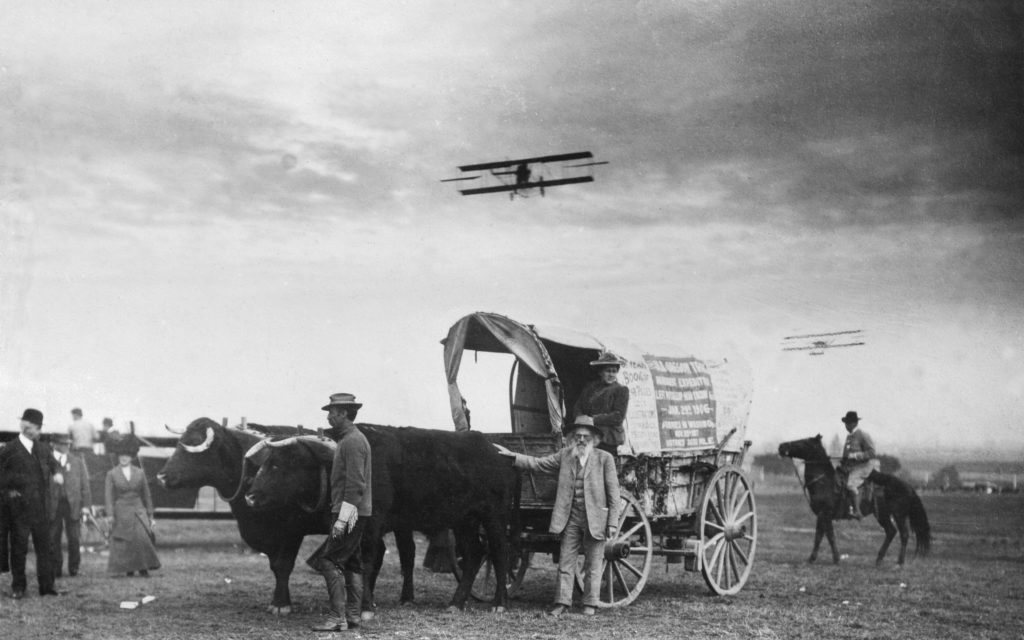
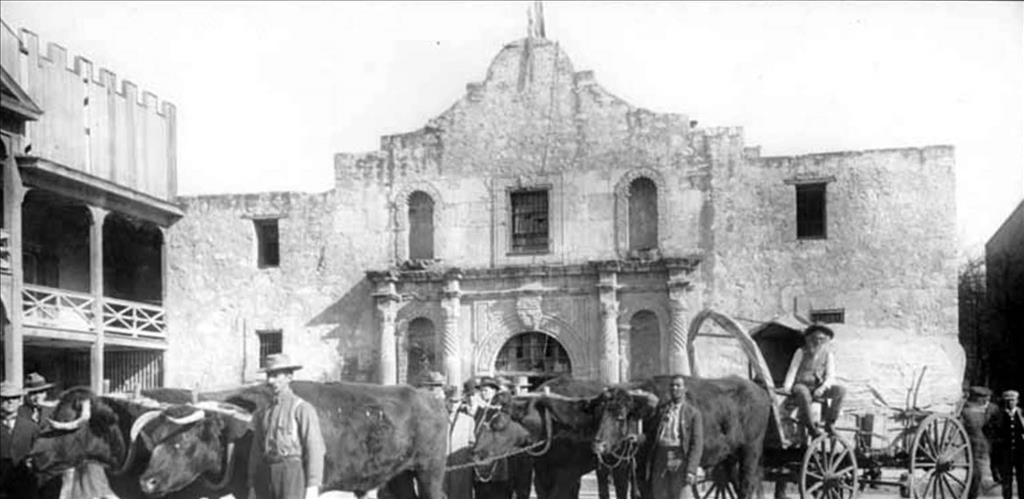
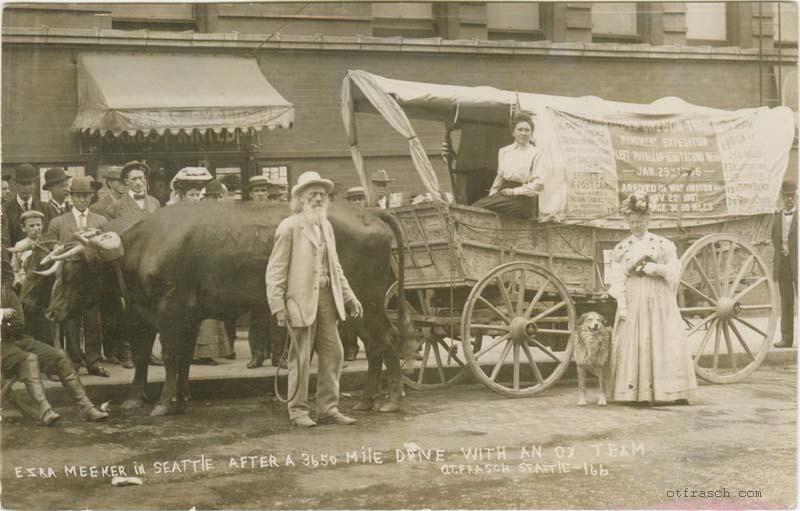
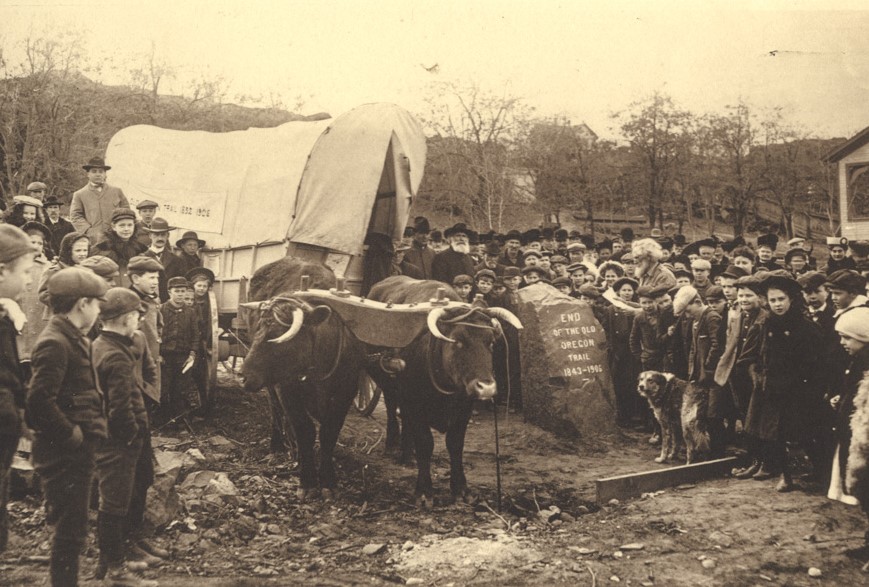
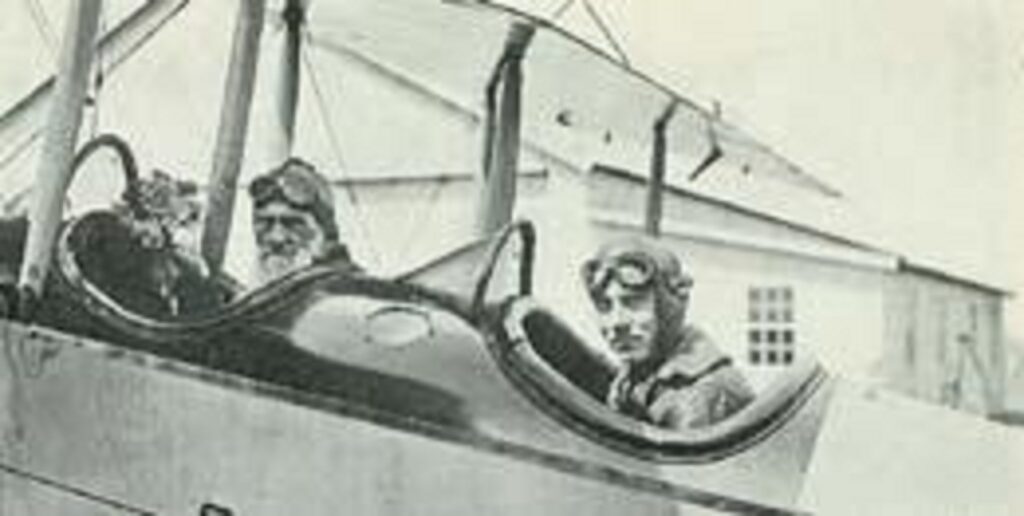
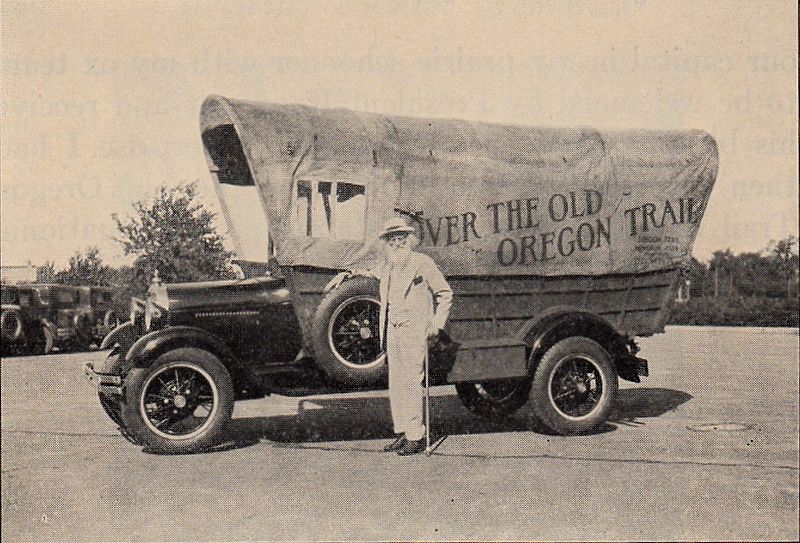
Meeker was born in Ohio in 1830. In 1852 he, his wife, son, and brother trekked to Oregon by wagon, traveling over 2,000 miles in the six-month journey. He became a wealthy grower of hops. Although in his late 70s, he decided to retrace his journey. In 1906 he proceeded east, placing markers and gaining publicity for preserving the Oregon Trail. That trip was completed in 1908, and in 1910 he set out again with his oxcart completing that trip in 1912. He flew over the Trail in 1924 and made his last trip by car in 1928. He died later that year at age 97! Owing to his publicity efforts, many photos of Ezra Meeker are available. Here are a few:

At Chimney Rock 1906

Writing his book Ox-Team Days on the Oregon Trail

Caulking His Boat


At Grant’s Tomb 1907

Los Angelas Air Show 1910

At the Alamo 1911

In Seattle at End of DC Trip

End of the Trail Marker The Dalles OR.

Flying East over the Trail to an Army Air Show in Dayton 1924

Meeker’s Car Made to Look Like a Covered Wagon 1928

Categories: Uncategorized | Leave a comment

Oregon Trail

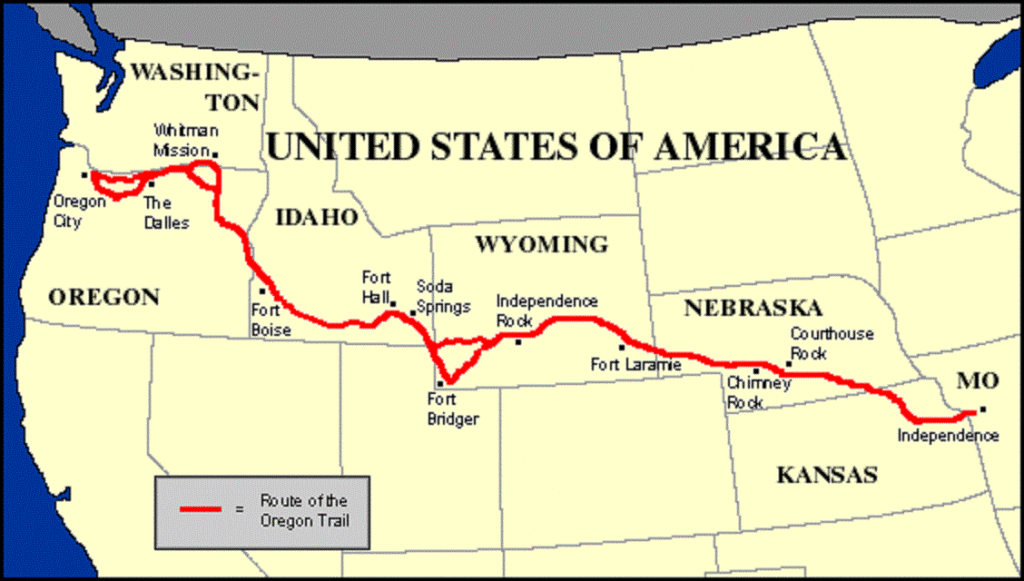
The Oregon Trail was a 2,170-mile-long pathway that started mostly in Independence Missouri and ended in Oregon . From 1840 to the late 1860s nearly 400,000 people migrated westward. About 80,000 stayed in Oregon while many others took the cutoff to California. The average trip was 160 days in 1849, then dropped to 140 days ten years later. Each wagon train consisted of anywhere from twenty to fifty wagons. They were helped along the way by various landmarks, as seen on the map below.

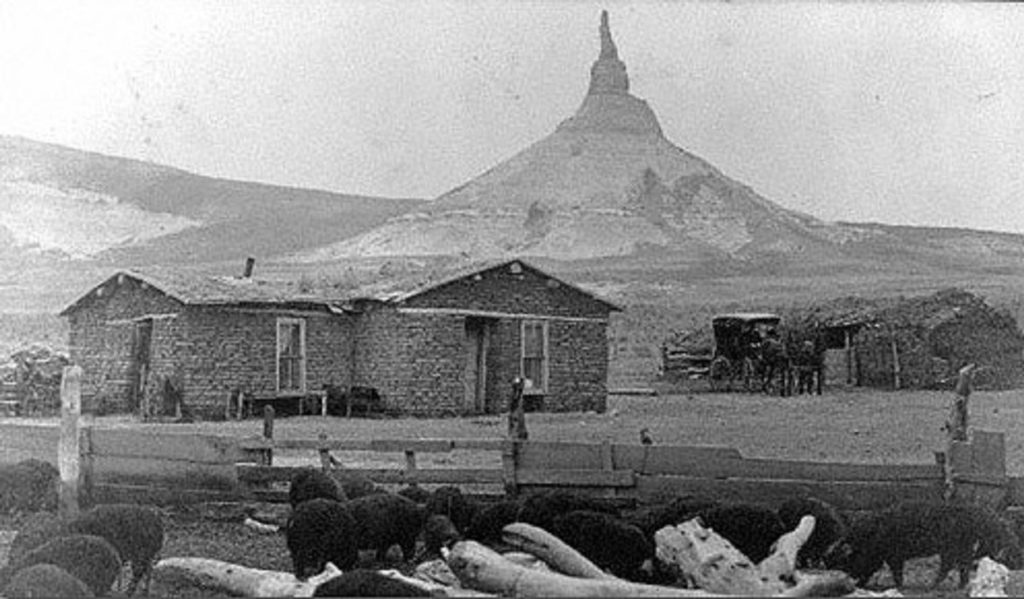
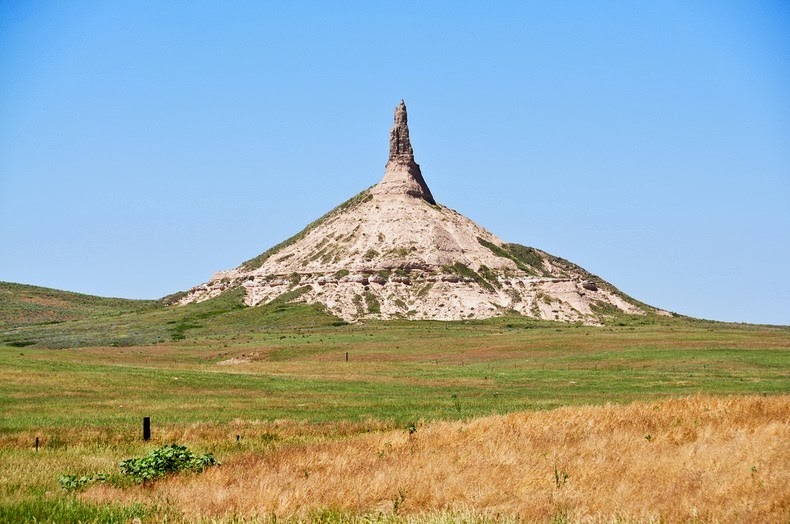
Chimney Rock

Chimney Rock is located in Nebraska and is seen here in a 1908 photo.

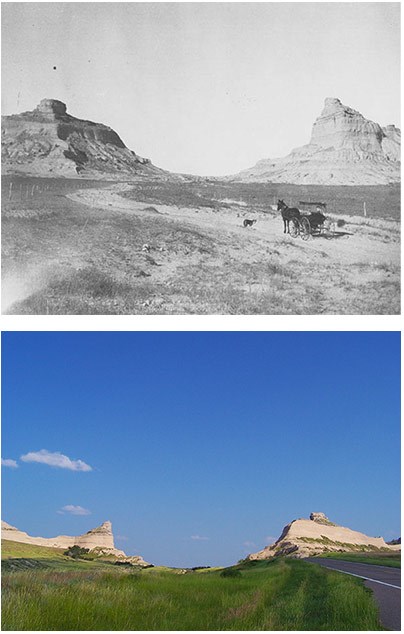
Mitchell Pass/Scotts Bluff

Mitchell Pass and Scotts Bluff are also located in Nebraska. The combined photo showing the landmark in 1914 is provided by the National Park Service.

Several forts along the way greatly aided the travelers. See this blog December 2018 for a look at Fort Laramie.

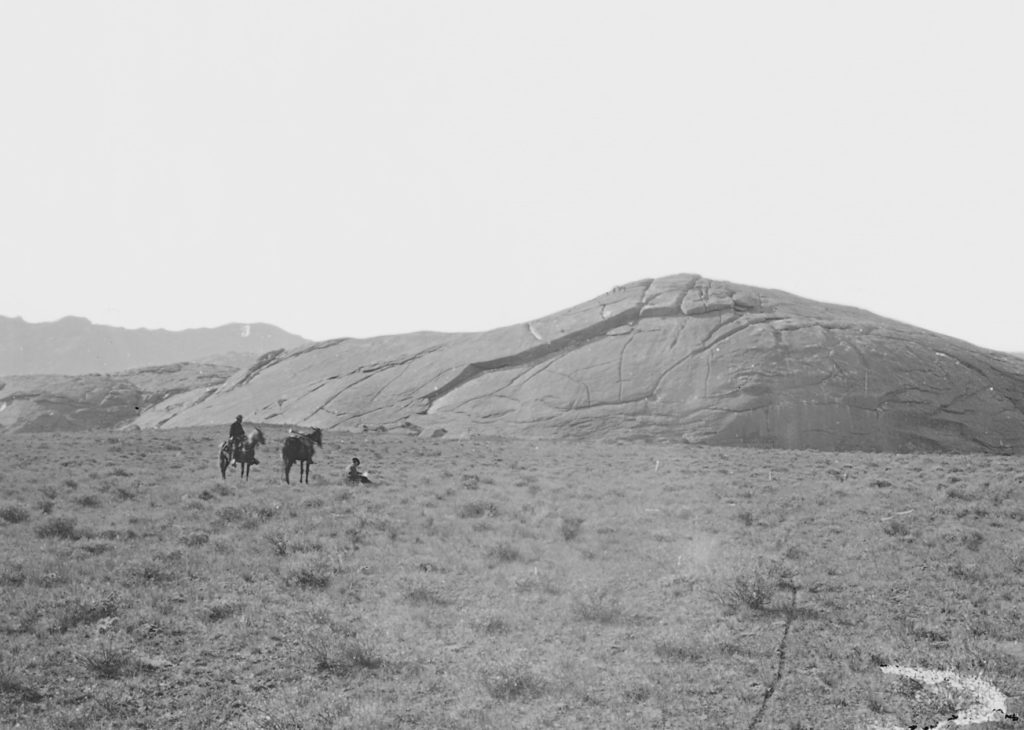
Independence Rock

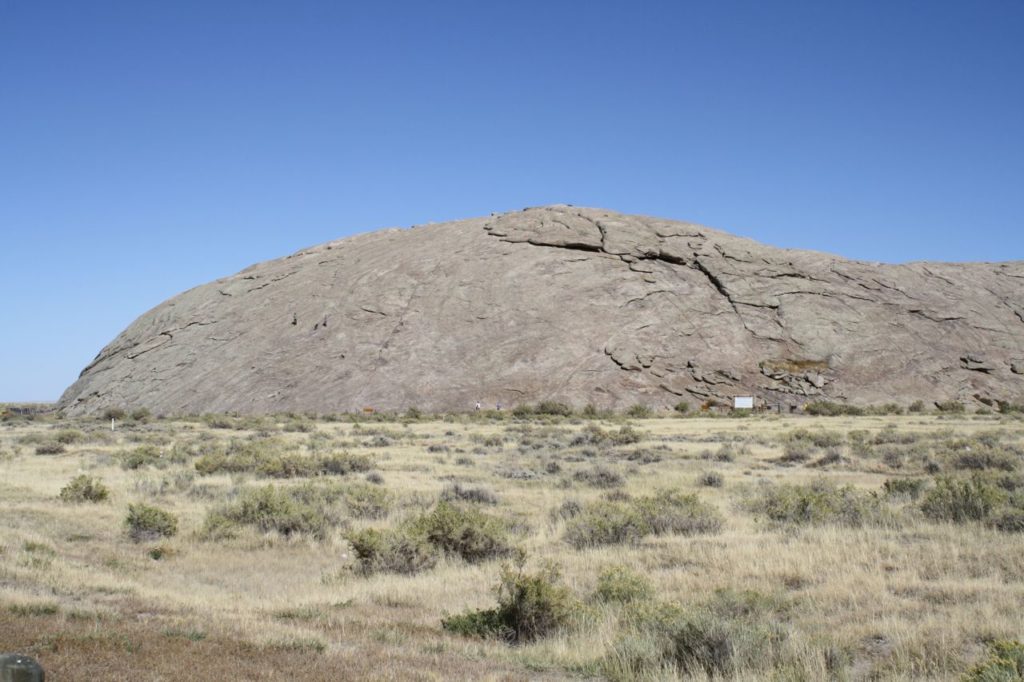
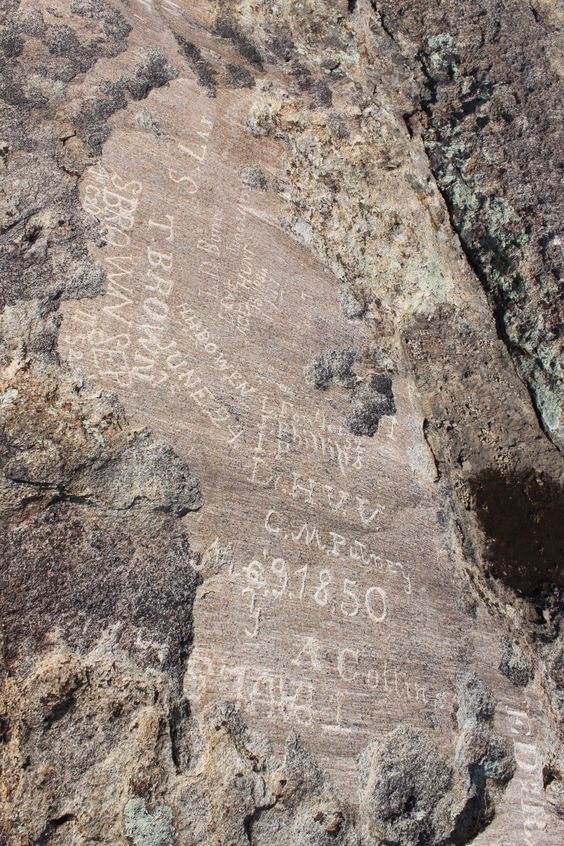
Located in Wyoming, Independence Rock can be called one of the early forms of graffiti in the U.S. because many of the travelers carved their names in the soft rock. The first photo, dated 1870, is by William Henry Jackson.

Bessemer Bend

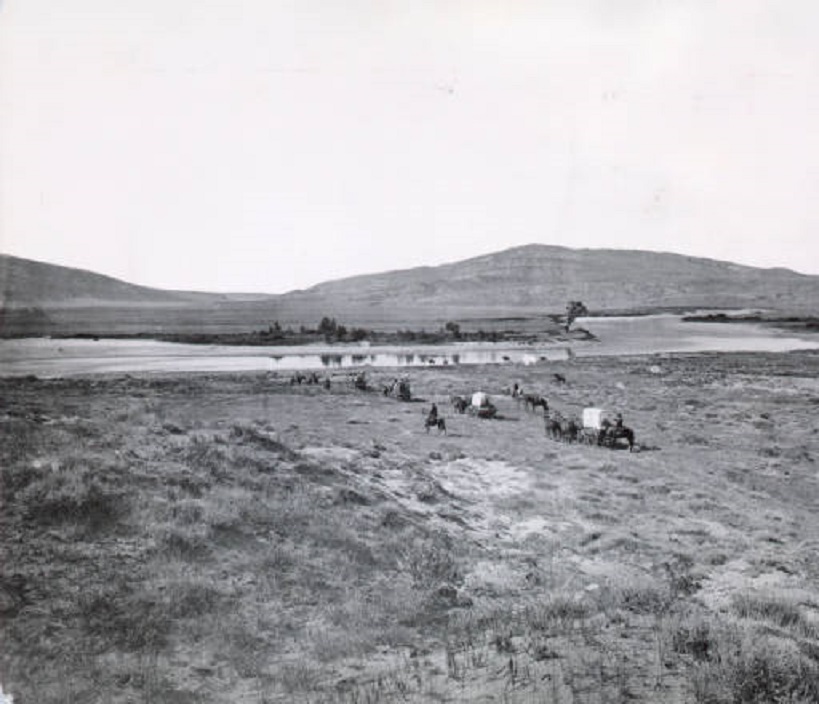
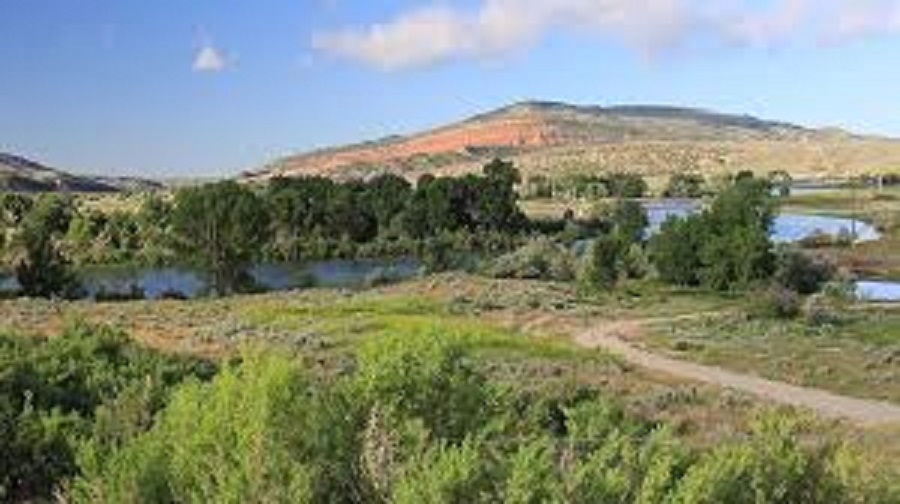
Bessemer Bend in Wyoming was easily recognizable because of the Red Buttes behind it. The first photo, also by Jackson, is dated 1872.

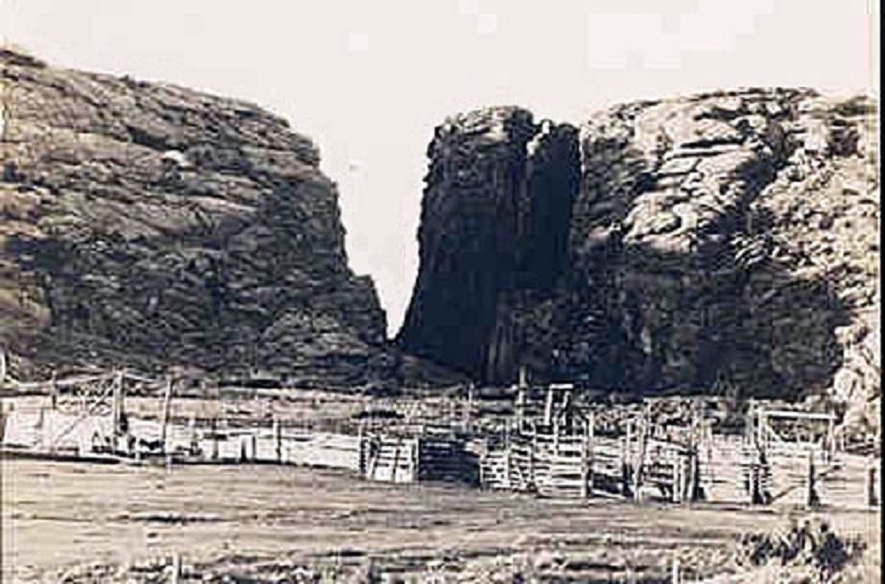
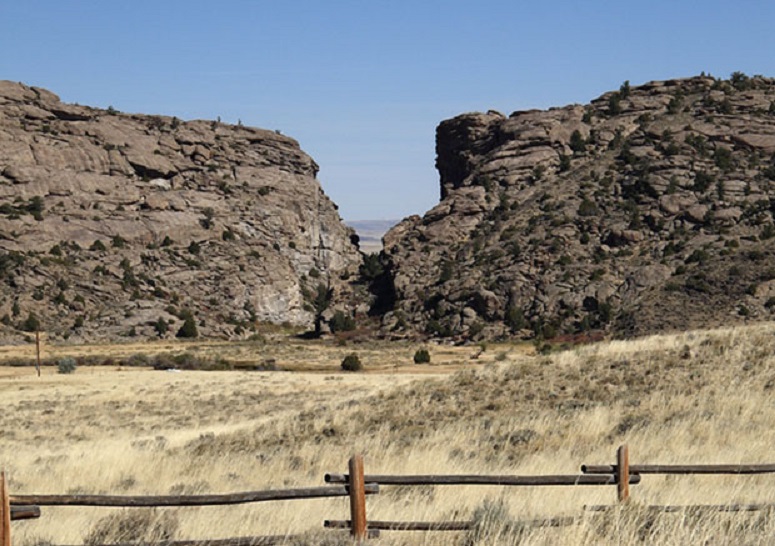
Devil’s Gate

The last Wyoming landmark was Devil’s Gate, seen here in an 1880 photo.

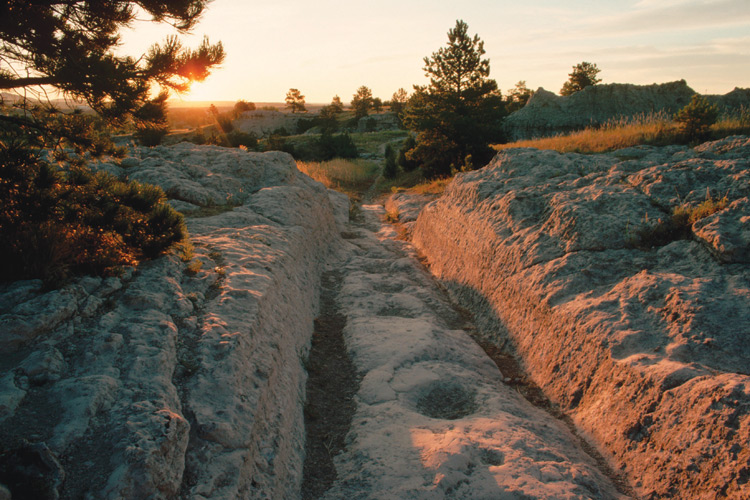
The end of the Oregon Trail was wherever one stopped, but there are three well-known destinations. The first is The Dalles, Oregon, where those who did not want to float the Columbia River or take the arduous land route over the Barlow Road settled. Those who did move on ended up in Oregon City (site of the End of the Oregon Interpretive Center) or in Puyallup, Washington, which has a stone monument also commemorating the Trail’s End. The Trail also ended with the completion of the Trans=Continental Railroad in 1869. However, ruts along the way are still visible in many locations.

Categories: Uncategorized | Leave a comment

Chicago Part 2

Dearborn and Randolph

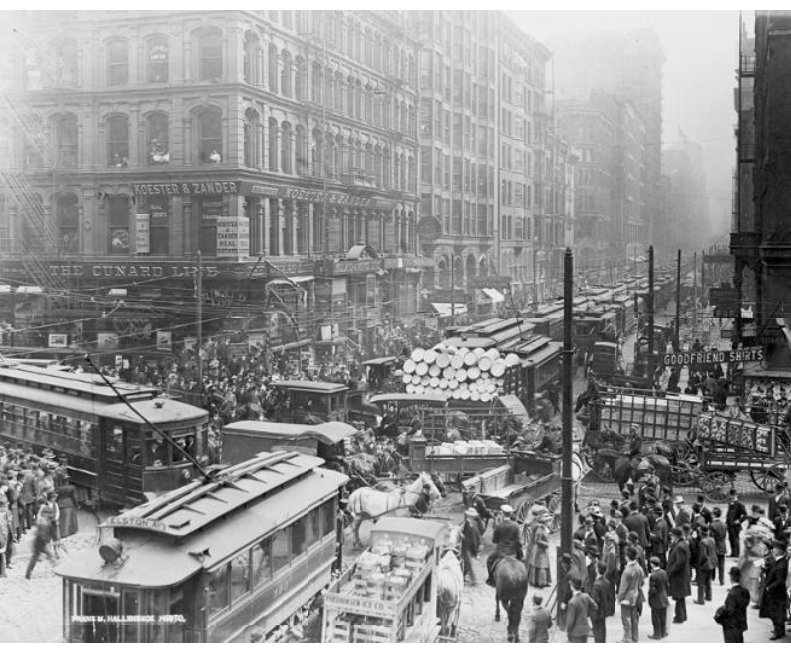
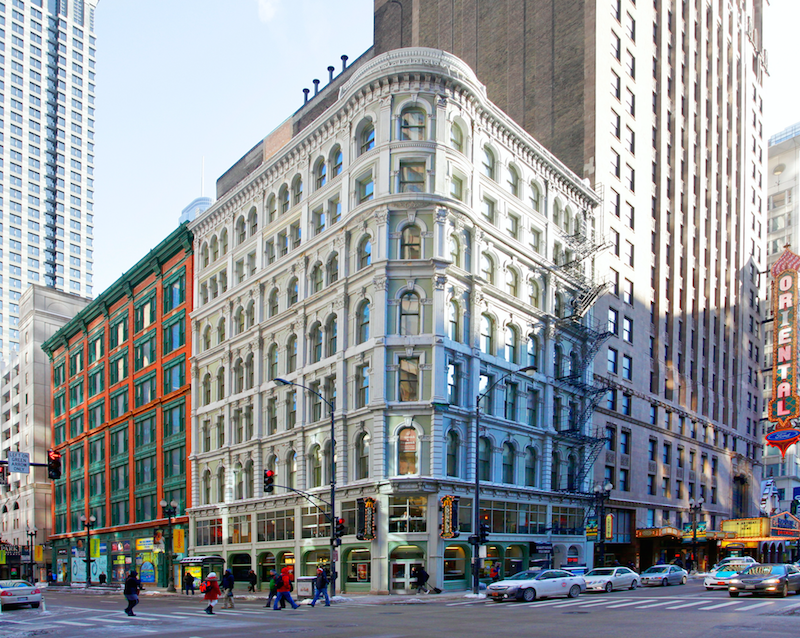
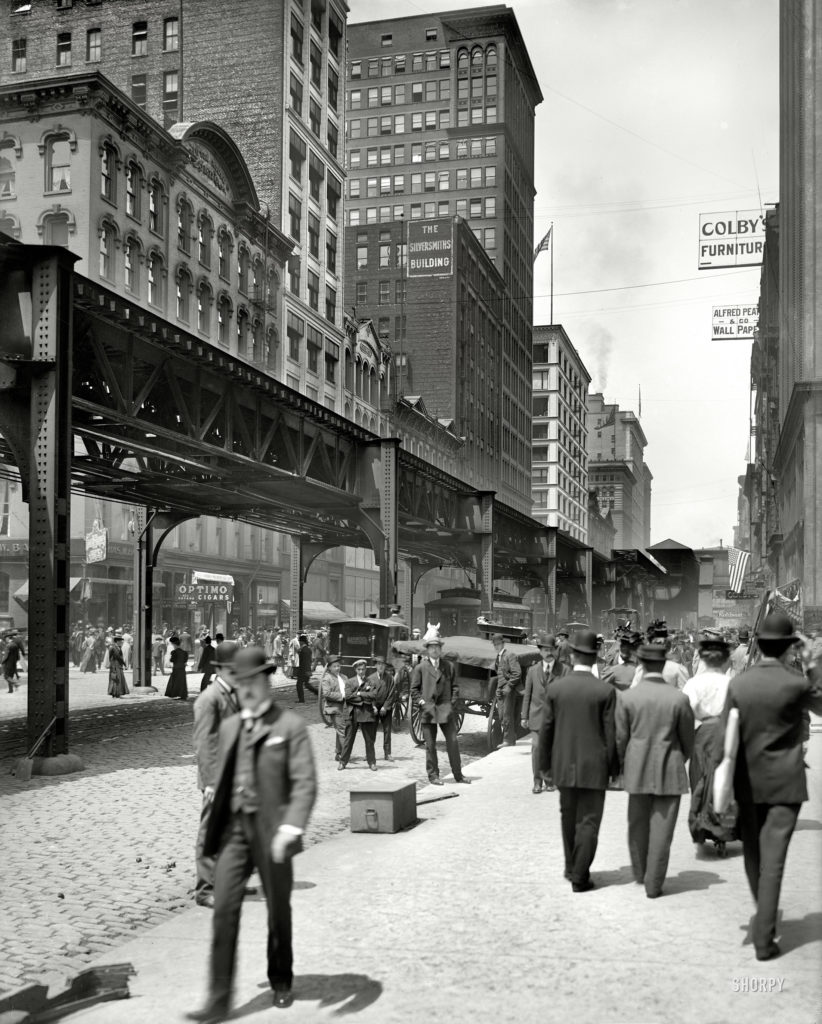
The corner building on the left in this 1909 picture was built in 1874 as an eight-story office building. Note the Cunard Line office on the first floor. That is now a two-story McDonalds!

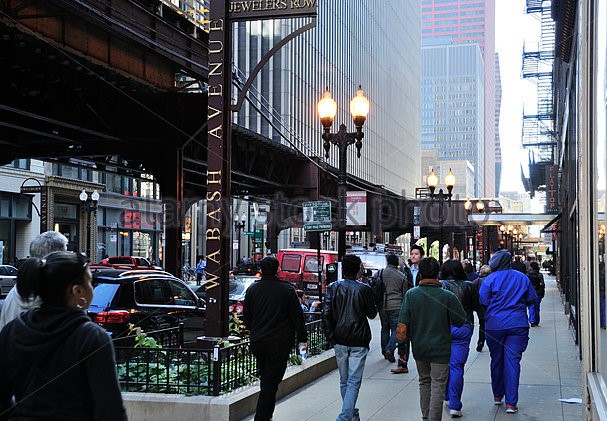
Wabash Ave. “L” 1907

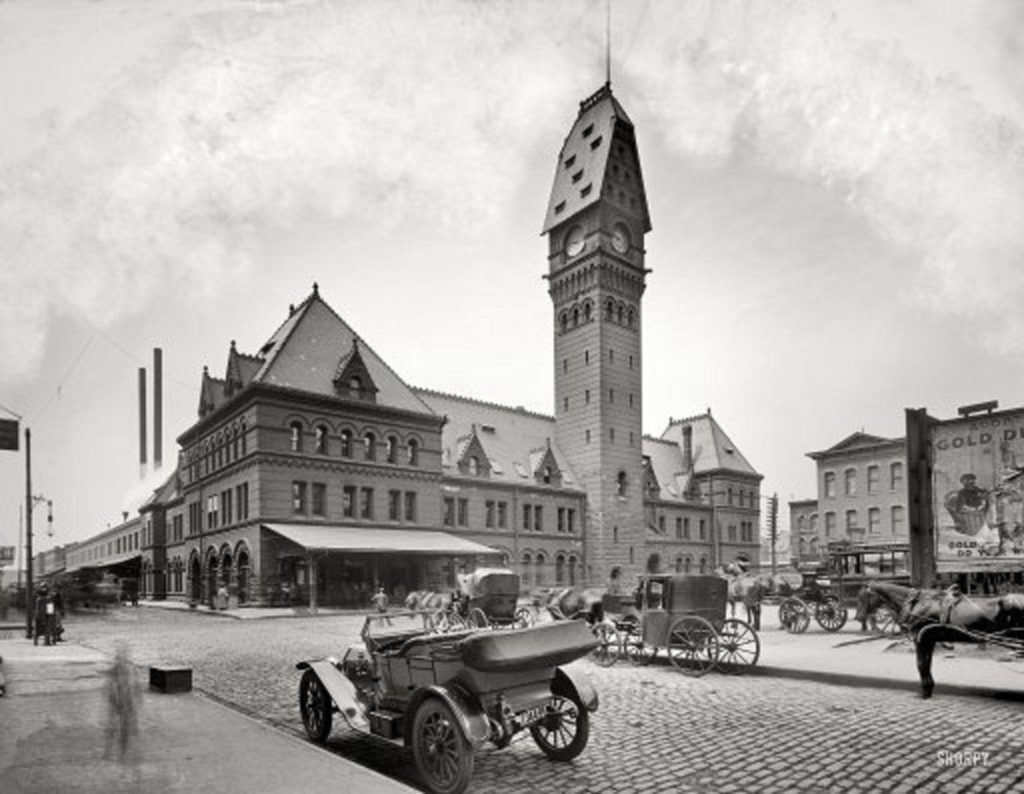
Dearborn St. Station

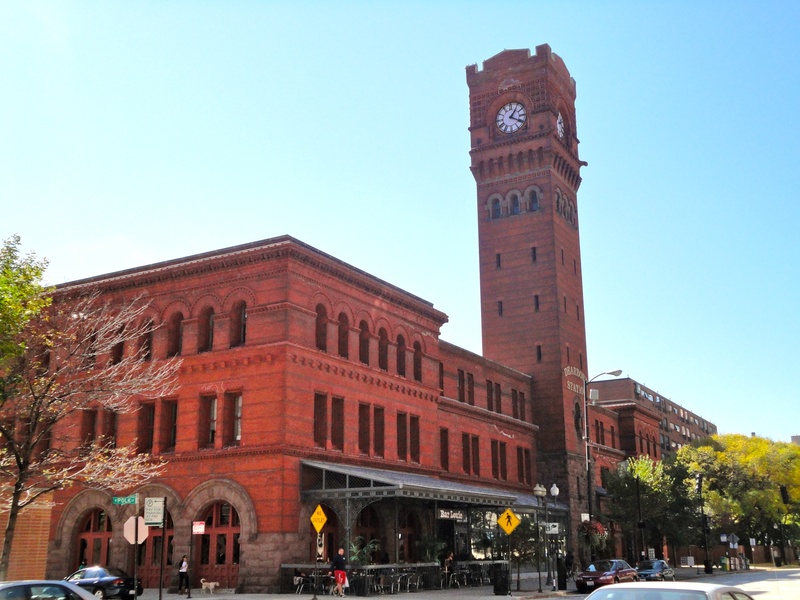
The railroad station was built in 1885 and now houses a shopping mall and offices. The first photo is dated 1915.

Water Tower

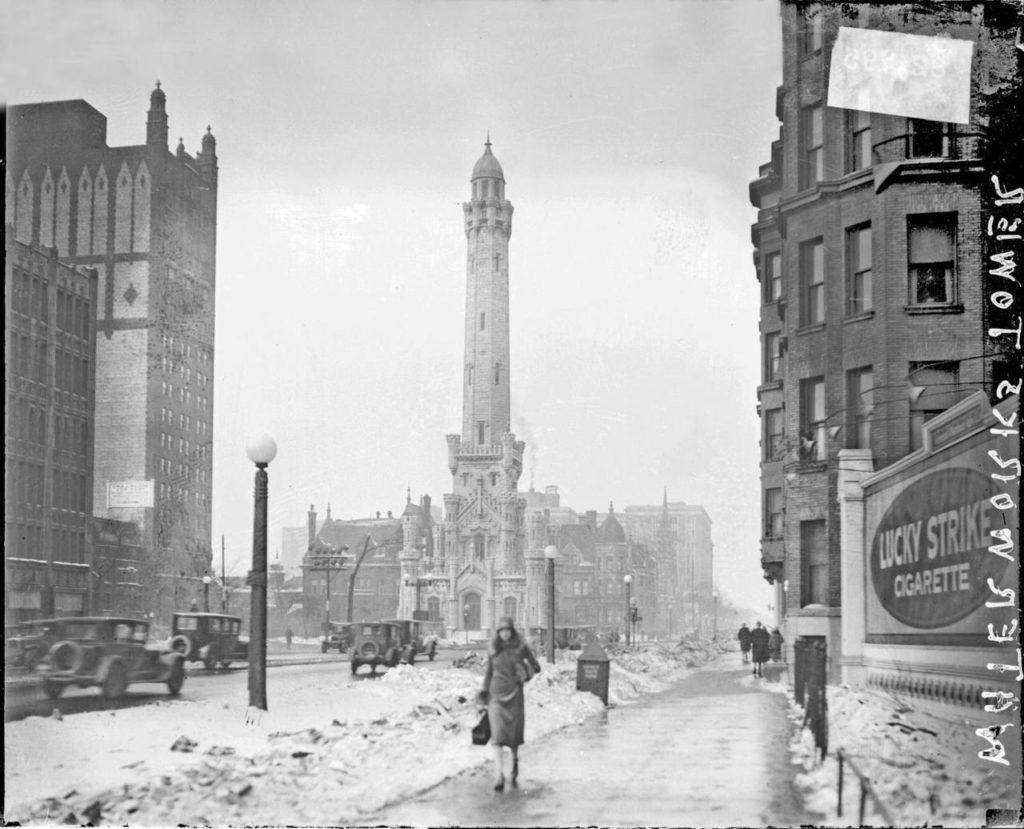
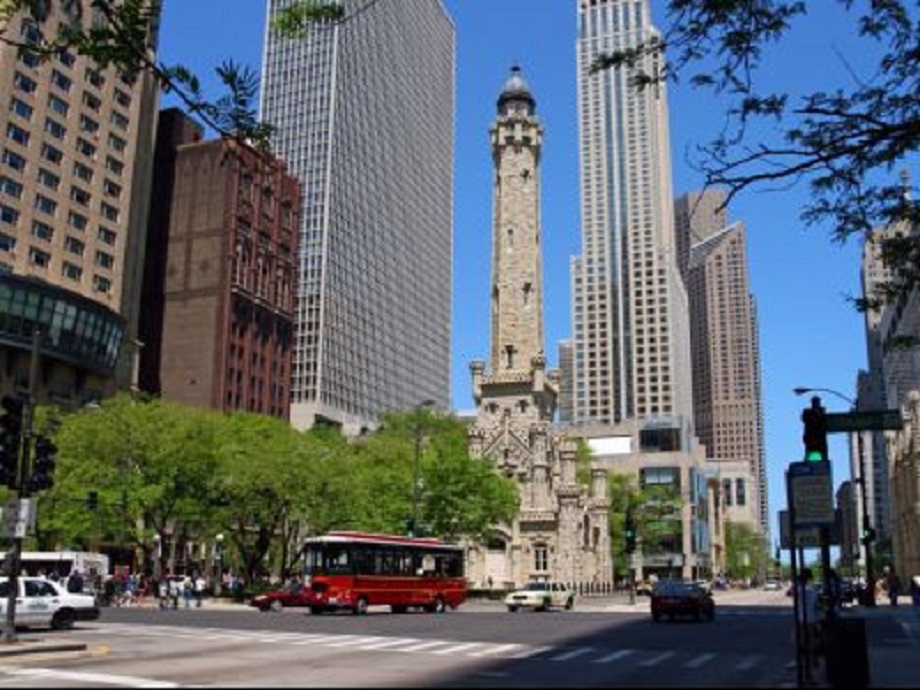
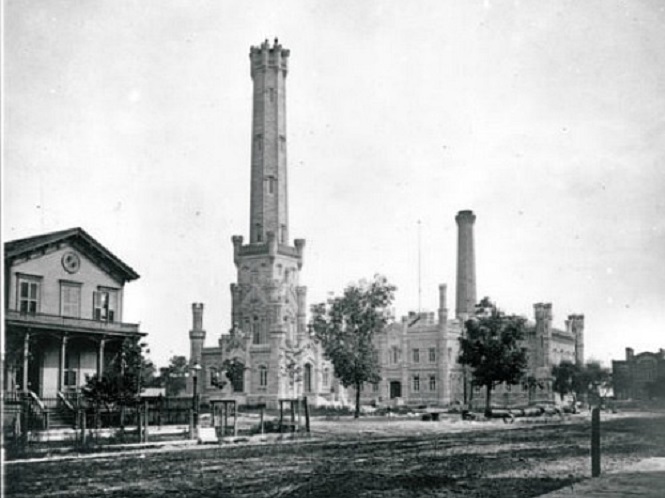
Chicago’s Water Tower was built in 1869, making it the second oldest water tower in the country. It served as a pump house to draw water from nearby Lake Michigan and was the only public building to survive the 1871 fire. The first two photos are dated 1869 and 1926 respectively.

Wrigley Field

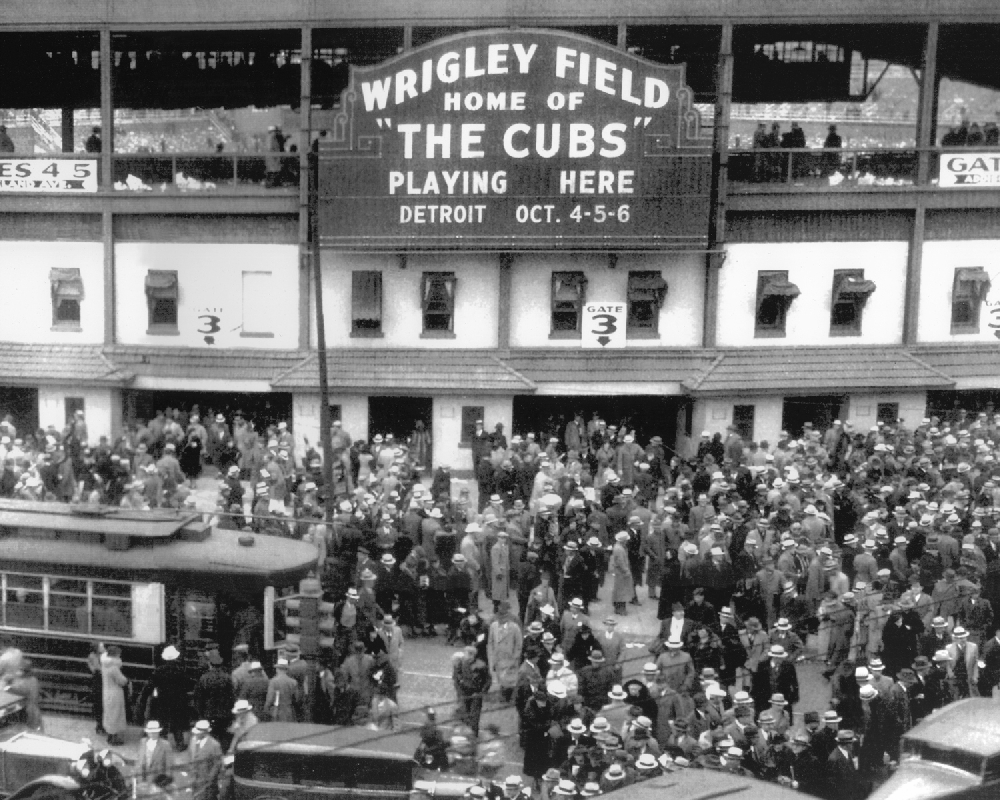
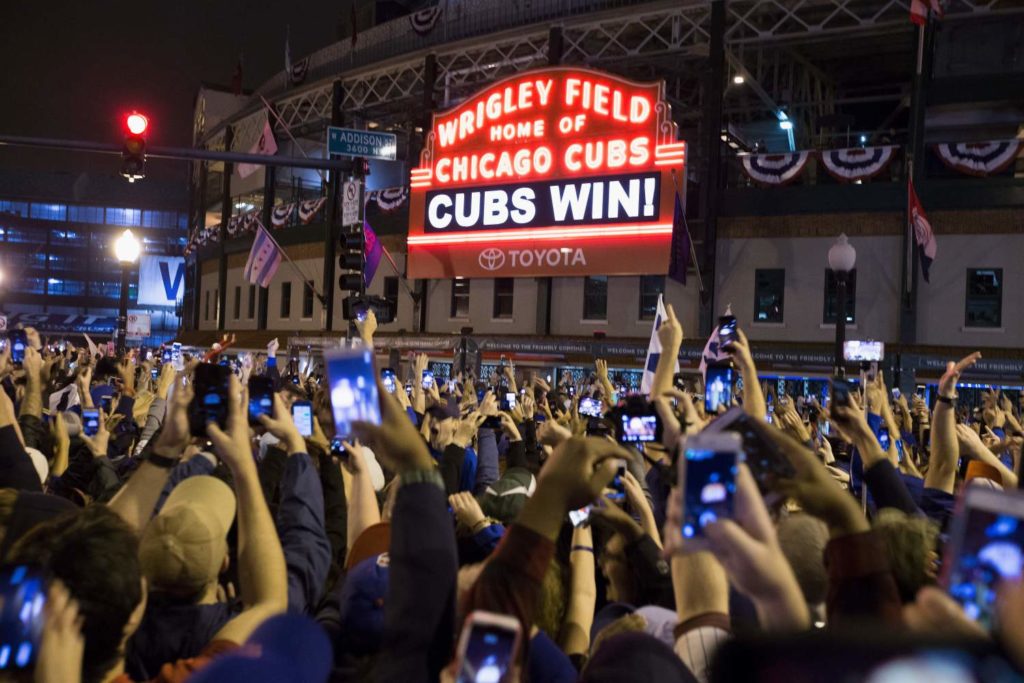
Wrigley Field opened in 1914, making it the second-oldest baseball park in the country; Fenway is the oldest. The Chicago Cubs started playing there in 1916. The first photo is the 1935 World Series where the Cubs lost to the Tigers four to two. They ended their 108-year Series drought in 2016, beating the Indians four to three.

Categories: Uncategorized | Leave a comment

Chicago Part 1

Chicago has a population of 2.7 million, making it the third most populous city in the U.S. It was incorporated in 1837. In 1871 much of Chicago was consumed in a major fire which left over 100,000 homeless. Thirty years after being rebuilt, it was the fifth largest city in the world! Many noteworthy buildings from the past are still standing. Examples are:

The Art Institute

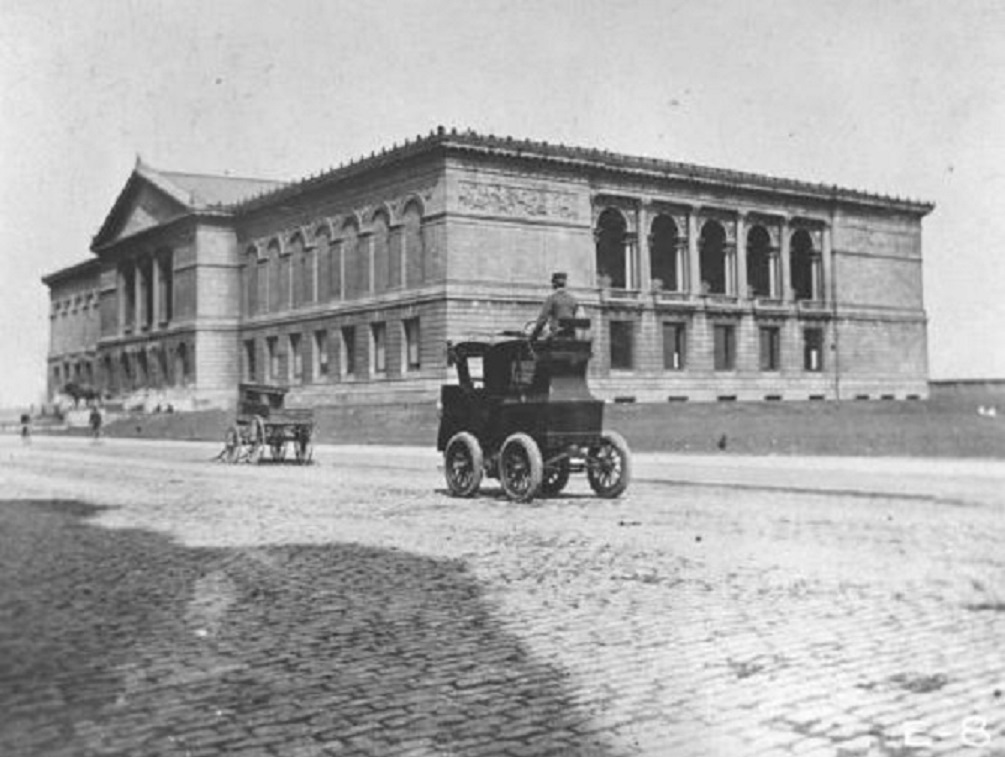
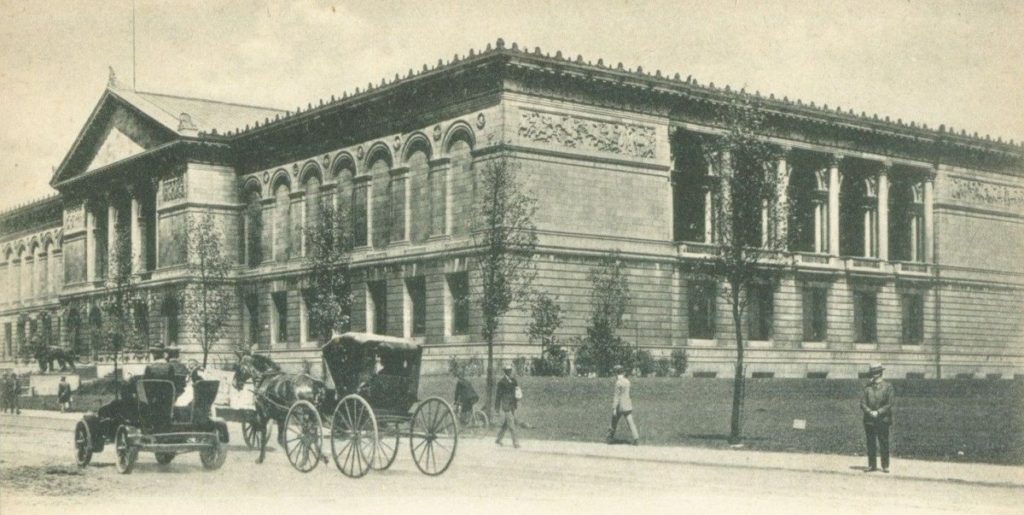
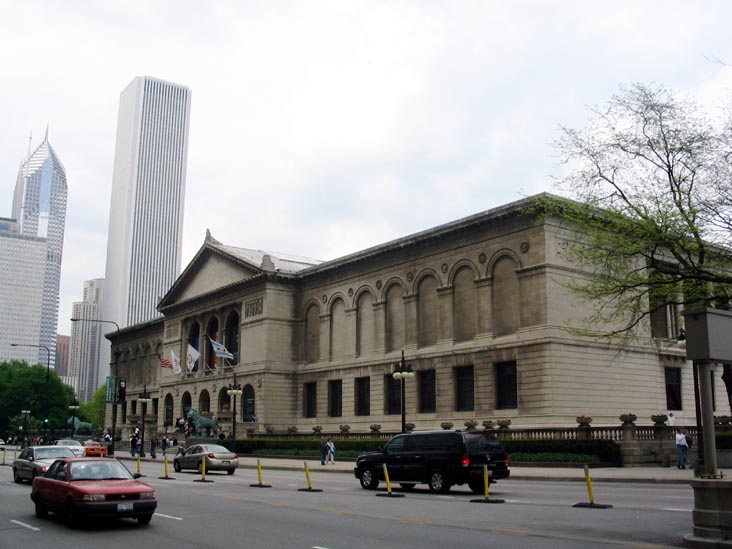
Founded in 1879, The Art Institute is one of the oldest art museums in the country and the second largest. The current building opened in 1893 for the second year of the Columbian Exposition. The first photo is dated 1900, the second 1905.

Marshall Field & Company

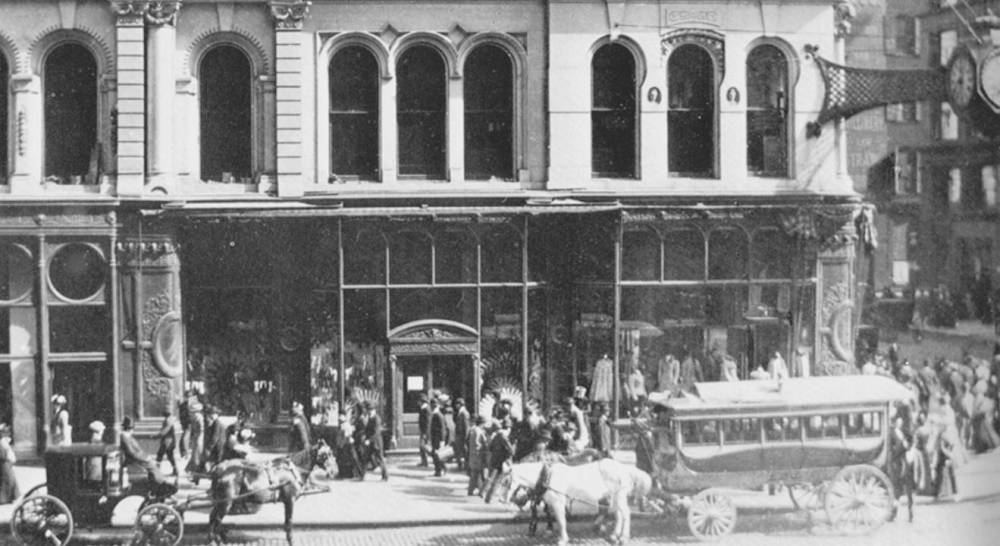
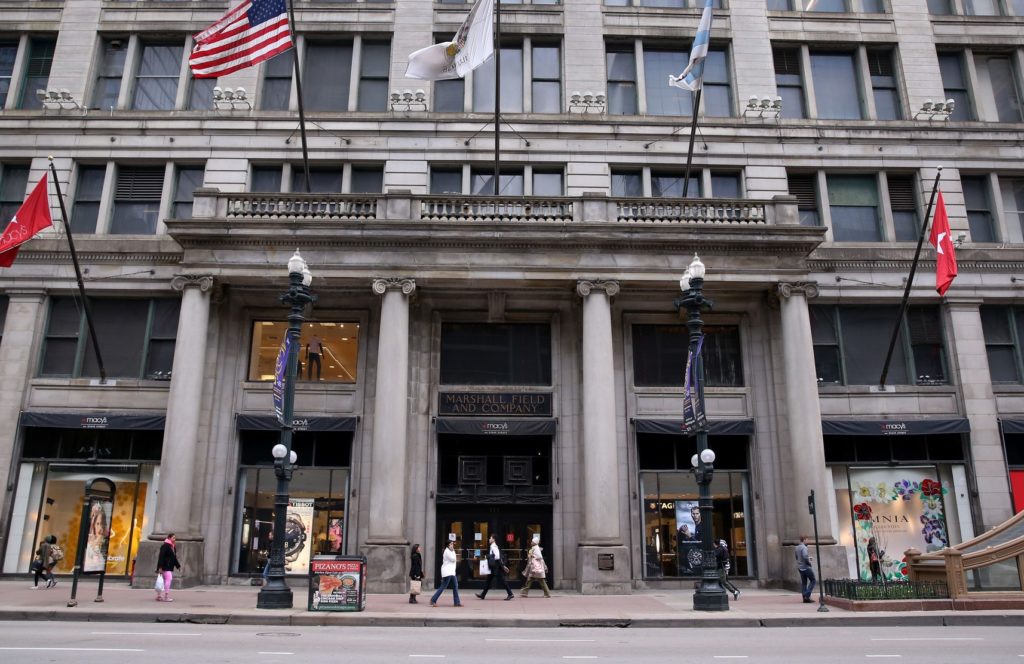
The building housing the Marshall Field’s store was built in phases from 1881-1909. It had 1.3 million square feet of retail space over 12 floors and for a while was “the world’s largest department store.” It was acquired in 2006 by Macy’s, which has done a suburb job of maintaining the Field’s traditions. For an excellent article on what they have done, go to visitmacys.com and scroll down to The Fascinating History of Macy’s on State St. The first photo is undated.

Navy Pier

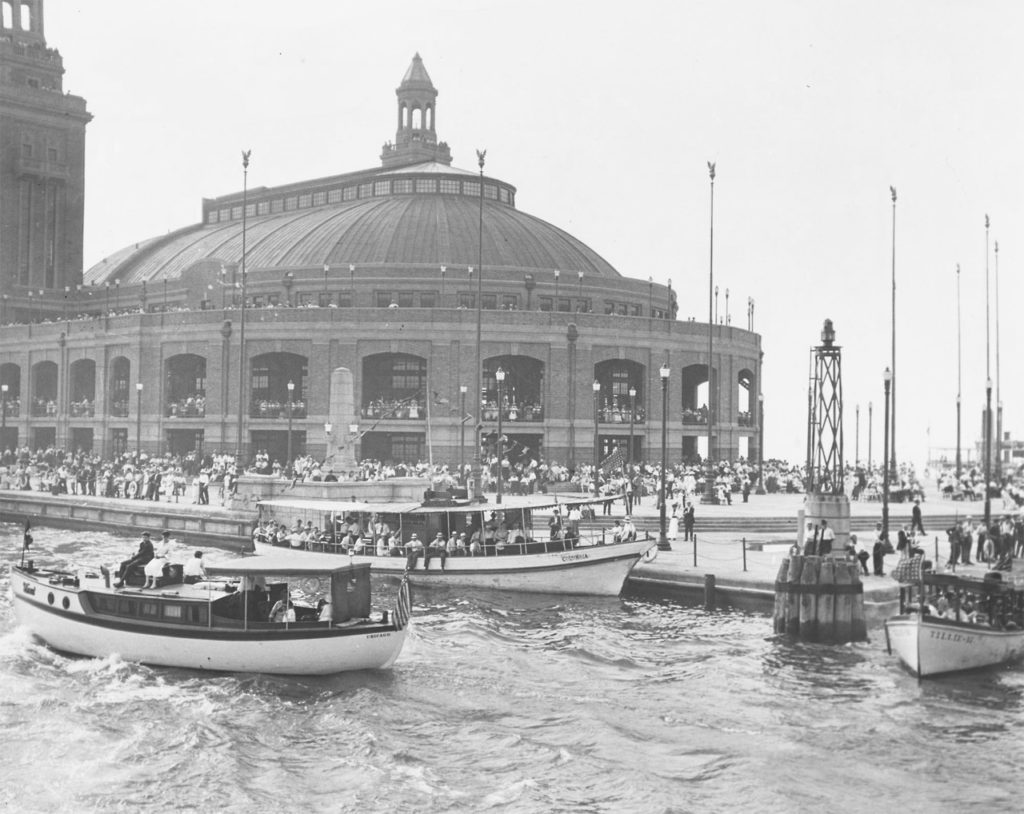
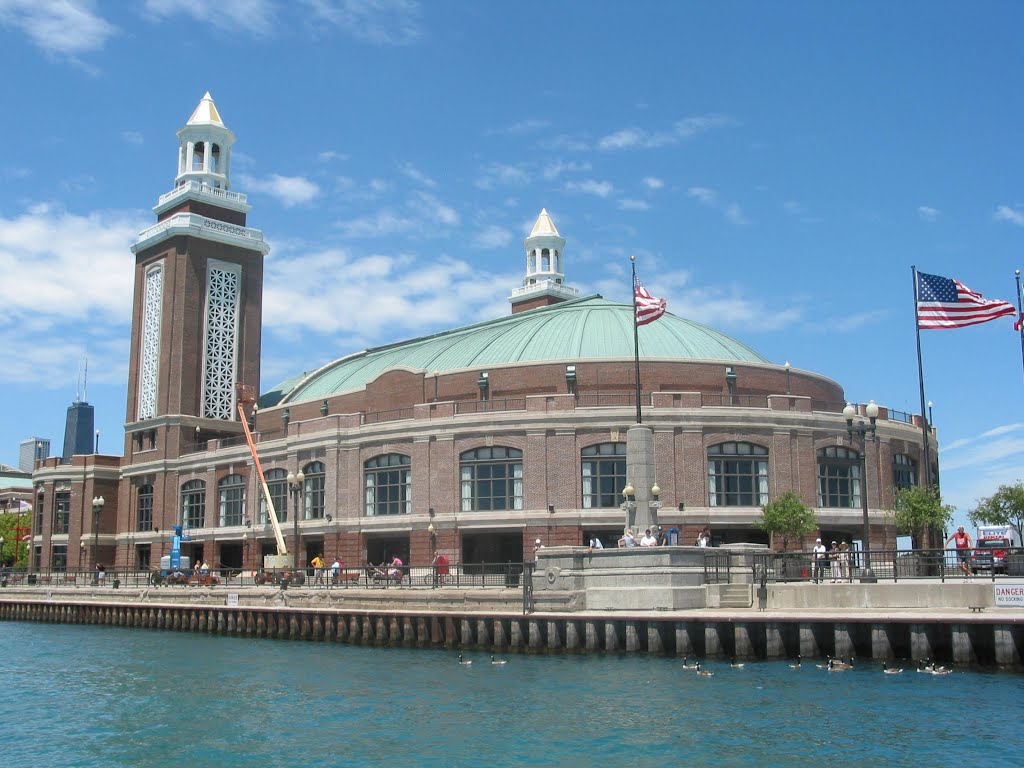
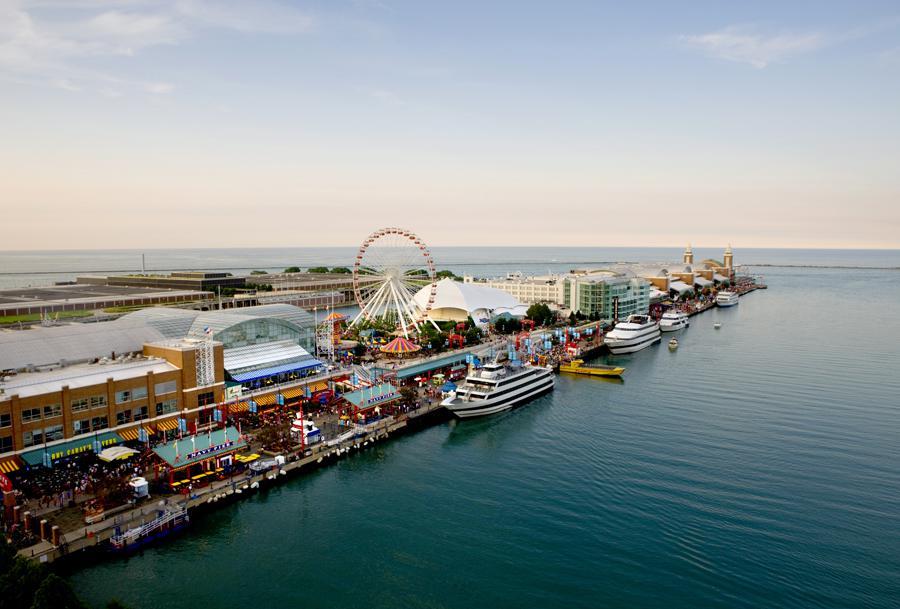
Navy Pier opened in 1916 as a shipping dock and was named to honor Navy veterans returning from WWI. It reaches out 3,000 feet into Lake Michigan, covers 50 acres, and currently hosts two million visitors a year, making it one of the top attractions in the Mid-West. The first photo is dated 1916.

The Museum of Science and Industry

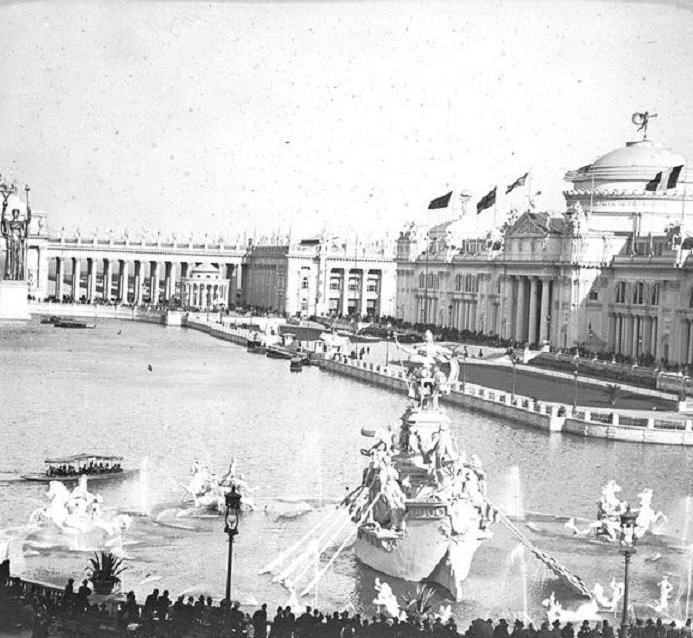
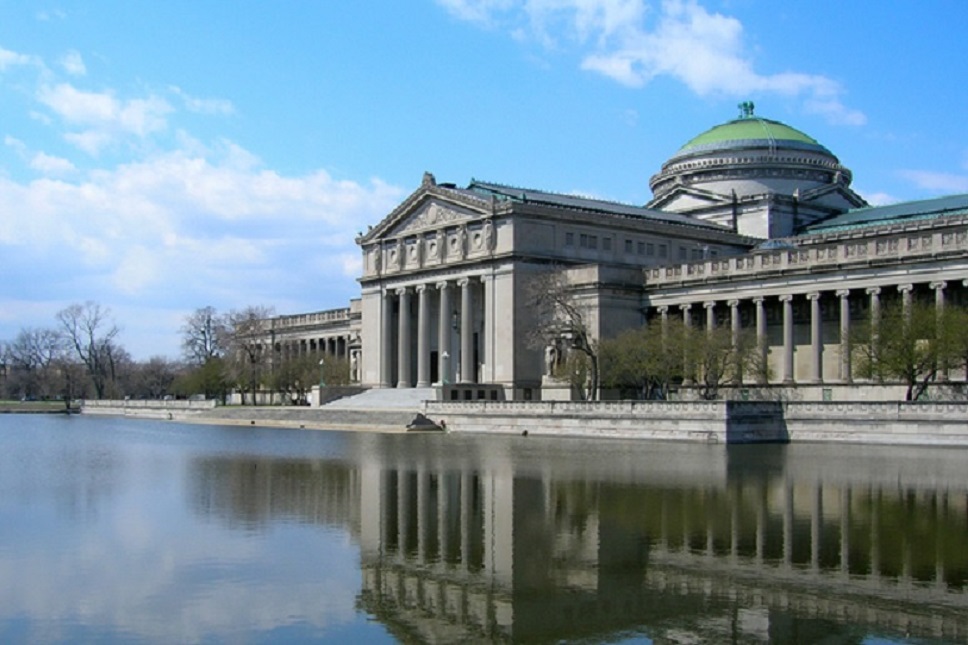
The Museum of Science and Industry Museum was originally constructed in 1893 as the Palace of Fine Arts for the Columbian Exposition. The building is the only major one not destroyed when the fair closed It was later renovated and opened as the museum in 1933. The first photo is dated 1893.

Categories: Uncategorized | Leave a comment

H.H. Bennett

H.H. Bennett was a photographer most noted for his pictures of the Wisconsin Dells area. He started in 1865 upon his return from the Civil War and continued until his death in 1908. He invented the stop-action shutter, the effect of which is best seen in the Stand Rock photo below. He also invented a solar printing house. Since electricity was not available, the house on a circular track was moved during the day via pulley and cable, providing sufficient light for taking pictures and printing them. (See blog entry for May 2013 for a picture.) On a 100-mile river trip he chronicled the life of lumber raftsmen in 30 pictures, combined them with narration, and, in the process, invented photo journalism. Unless otherwise noted, the following photos are dated 1880s.

Bennett Home 1901

Stand Rock 1886

O

Romance Cliffs

The Narrows

Luncheon Hall

Lower Jaws

Chapel Gorge

Sugar Bowl 1899

Categories: Uncategorized | Leave a comment

Virginia City, NV Part 2

These photos show Mark Twain’s office building on the left in the first shot and the International Hotel at the end of C street in the second They both were destroyed in the October 26, 1875 fire which burned for nine hours and consumed over 2,000 structures.

Sutro Tunnel

The huge Comstock Lode mining district needed to drain water, and Adopho Sutro stepped in to solve the problem. Construction of the Sutro Tunnel began in 1869 but was not completed until 1878. Sutro then sold out and moved to San Francisco and became mayor. The first photo was taken in the late 1880s.

Bowers Mansion

Many millionaires were created during Virginia’s heyday and they built opulent homes to show off their new wealth The Bowers Mansion, built in 1863, was one. The photo is dated in the 1860s.

Savage Mansion

The Savage mine office occupied the first floor off the Savage Mansion, with the superintendent residing on the top two floors. The mansion was built in 1861, and the bottom photo shows it in the 1870s.

Fourth Ward School

The Fourth Ward School was built one year after the 1875 fire and remained open for the next 60 years, closing in 1936. It sat idle for decades and then reopened as a museum in 1986. The first photo is undated

Old Washoe Club

The Old Washoe Club had a roster of 50+ newly minted millionaires when it opened in June of 1875. Four months later the building was severely damaged in the fire, and the Club moved to the C Street structure in 1876. The luxury club closed in 1897 when the mines played out. The building is now a saloon and museum with ghost tours. The first photo is undated.

Categories: Uncategorized | Leave a comment

Virginia City, NV Part 1

Virginia City, NV, became a boom town with the discovery of silver in the Comstock Lode in 1859. Four years later a reporter for the city’s newspaper, a man by the name of Samuel Clemens, first used the name Mark Twain. By 1873 the population of Virginia City had grown to 25,000. The numerous mines eventually would produce $1,200,000,000 (in today’s dollars), causing Virginia City to be known as the richest city in the U. S. Much of the original town remains and major points of interest include:

C Street

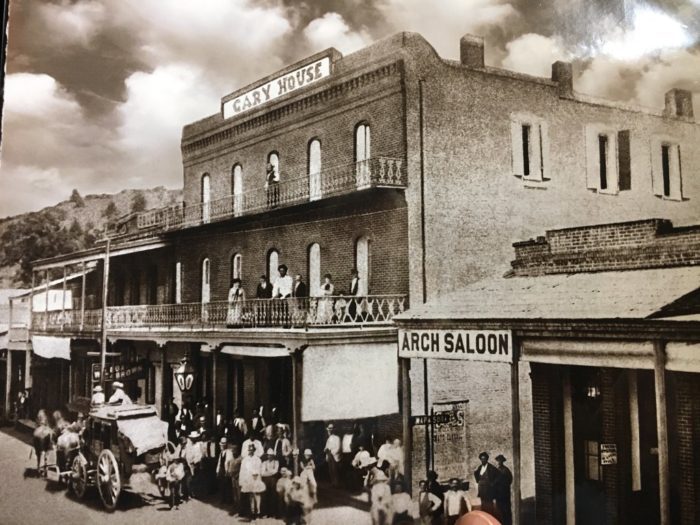
Many of the same businesses that were there 150 years ago are still in business. C Street annually ranks in the top ten Historic Main Streets in America, and Virginia City itself was the largest historic landmark ever to be added to the National Registry of Historic Places. The first photo is undated and the third shows three bars in the 1940s.


Bucket of Blood Saloon

In 1875 most of Virginia City was destroyed in a massive fire. The following year the Bucket Of Blood Saloon opened and is still a must-stop on any tour of the town. The first photo was taken in the 1940s.

Piper Opera House

The Piper Opera House was built in 1885 and hosted the likes of Caruso, Houdini, John Phillip Sousa, and Al Jolson. It was a silent movie theater until the building was condemned in 1920. It sat vacant for the next 20 years and  then reopened in 1940 as a museum. In the 1970s it was restored and opened as a theater and concert venue. Storey County purchased the property in 2017, and the facility continues as a successful performing arts center. The first photo is dated 1933.

Categories: Uncategorized | Leave a comment

Belle Isle

Belle Isle is a 982-acre park located on the Detroit River within the City 0f Detroit MI. It is the most-visited state park in Michigan. Facilities include an aquarium, a conservatory, the Great Lakes Museum, a nature center, fountains, a golf course, a yacht club, and a venue for public events. The first photo, dated ca.1910, shows the  Casino, which was used for public events, not gambling, in spite of its name. The third photo shows boaters on their way to a band concert in 1907. The Detroit Yacht Club appears in the fourth photo dated 1905. The Aquarium was the longest continuously operated aquarium in the U.S. when it closed in 2005. It is now open on a limited basis and is seen here in a photo dated 1908.


Categories: Uncategorized | Leave a comment